From Promise to Practice: Accelerating Namibia’s Employment Ambitions
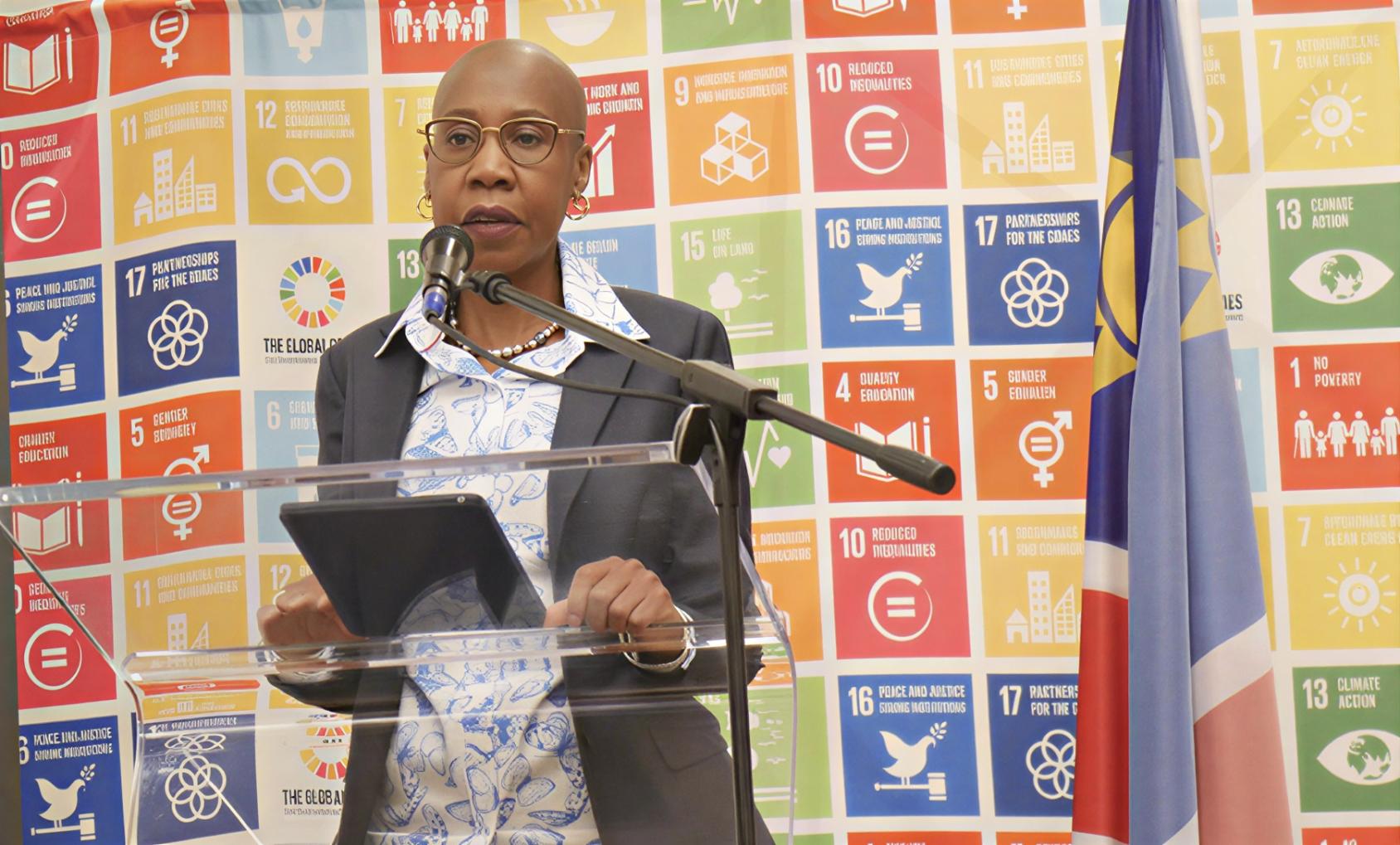
Hopolang Phororo, the UN Resident Coordinator in Namibia, reflects on the UN's role in supporting the country's ambition of creating 500,000 jobs. With stronger coordination between partners and programmes, a clearer focus on what works and improved engagement with small businesses, Namibia's labour market will be better equipped to create opportunities and integrate new graduates.
Almost every day, Namibia’s newspapers carry a story about jobs.
One day, the story highlights youth empowerment initiatives. Another day, it is a sobering reminder that more than 70 per cent of working individuals are unable to save or build generational wealth because unemployed relatives depend on them. On another day, we read about efforts such as the National Youth Development Fund supporting young entrepreneurs. And we also hear about Technical and Vocational Education and Training (TVET) as a pathway to economic growth.
Different headlines. Different angles. But they all point to the same reality: jobs and livelihoods matter deeply to Namibians.
As Namibia marks 36 years of independence under the theme “Beyond 35: For a Prosperous Future,” it is worth asking whether the national conversation on jobs is taking us where we need to go.
Speeding Up Progress
Namibia has set itself an ambitious goal: to create 500,000 jobs. This is not just a policy target. It reflects the scale of the challenge and the urgency of delivering meaningful economic opportunities, particularly for young people. According to the Namibia Statistics Agency, youth unemployment stood at around 44 per cent in 2023, underscoring the gravity of the challenge.
As lead facilitator of the Global Accelerator (GA) on Jobs and Social Protection for Just Transitions, the UN is supporting Namibia to reach its job creation goal. The GA is an initiative aligning employment policies, investments and implementation by bringing together Government, the private sector, development partners and UN agencies, namely the Food and Agriculture Organization (FAO), International Labour Organization (ILO) and UN Development Programme (UNDP).
By working side by side, these three agencies are able to more effectively contribute to the GA. When the FAO advocates for rural communities and agricultural employment in social protection policies, the ILO lends its expertise on international labour standards and decent work. UNDP translates these policies to concrete results by empowering youth with skills development and connecting them to employment and entrepreneurship opportunities.
For Namibia, this presents an opportunity not to introduce new programmes, but to better connect and expand what already exists.
Recent policy developments add a further dimension to the GA. The President’s initiative to expand access to free tertiary education will, over time, increase the number of graduates entering the labour market each year. This is a positive and important investment in Namibia’s human capital. However, it also underscores the need to ensure that the economy can absorb this growing pipeline of skilled young people. Without corresponding progress on job creation, there is a real risk of increasing numbers of educated but unemployed youth — an outcome that would be deeply frustrating for young people and a missed opportunity for the country.
The encouraging news is that Namibia is not short of ideas. We already know what helps create jobs: better training, support for small businesses, industries that hire large numbers of people and stronger private sector engagement. Across Government, the private sector and development partners, a wide range of initiatives are already underway.
The question is whether we are organized to deliver at scale.
This suggests that the issue may no longer be the “what,” but the “how.”
Making Coordination Count
A central constraint is the absence of a coordinated view of the employment landscape. Many initiatives are already underway, but there is still no clear system for shared tracking of results, identifying what works or preventing duplication.
As a result, promising initiatives are not consistently amplified or replicated, and the collective impact remains below its potential. The risk is not inactivity. The risk is effort that does not work throughout Namibia.
This is where the Global Accelerator makes a difference. It offers a platform to bring together evidence-based data and information, as well as policies and programmes, to monitor results, not just activities. The GA also identifies which interventions show potential to be expanded and where gaps remain.
In this way, the GA shifts the focus from many initiatives to fewer that are well coordinated, reach more people and produce measurable results.

Magnifying Local Entrepreneurship
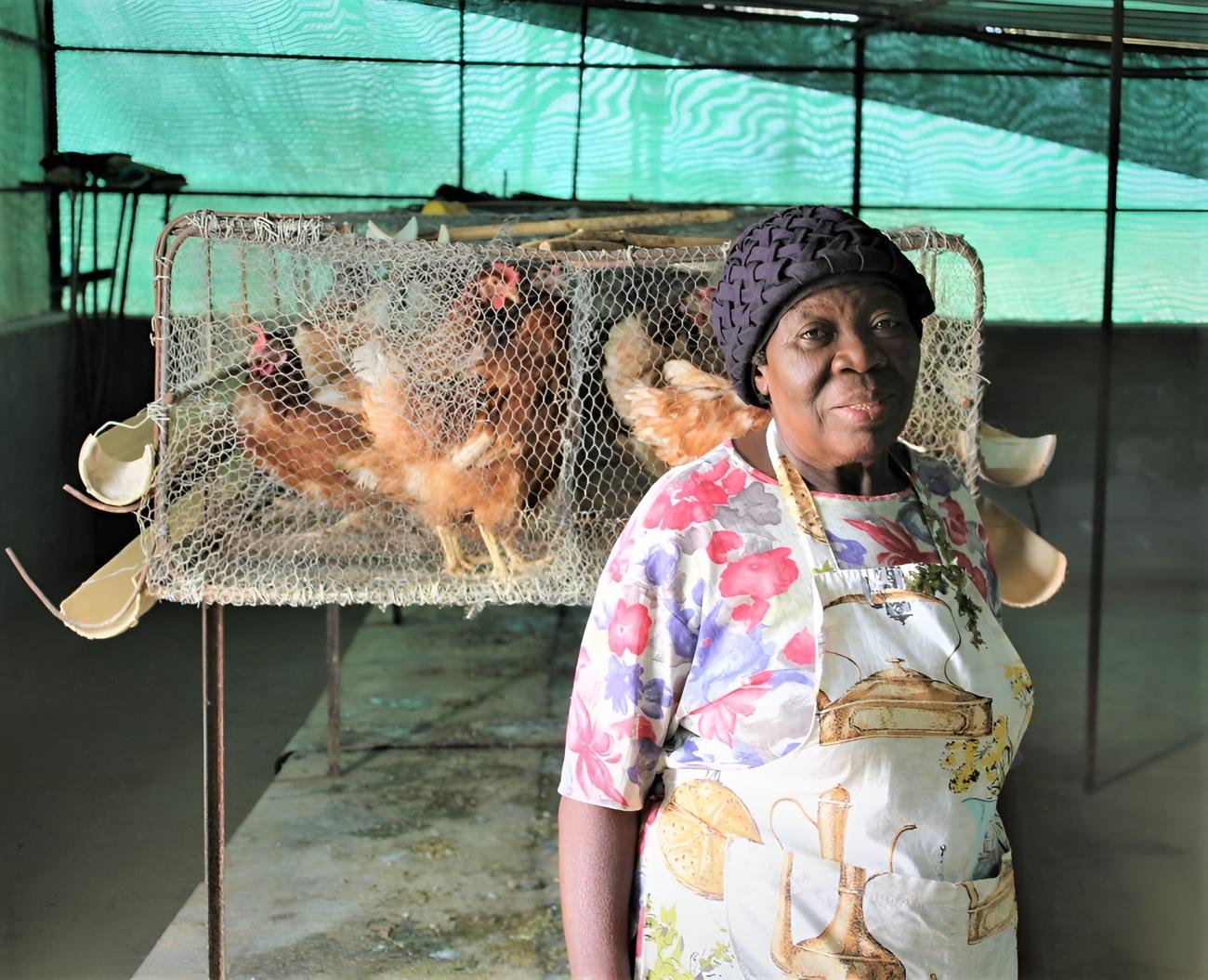
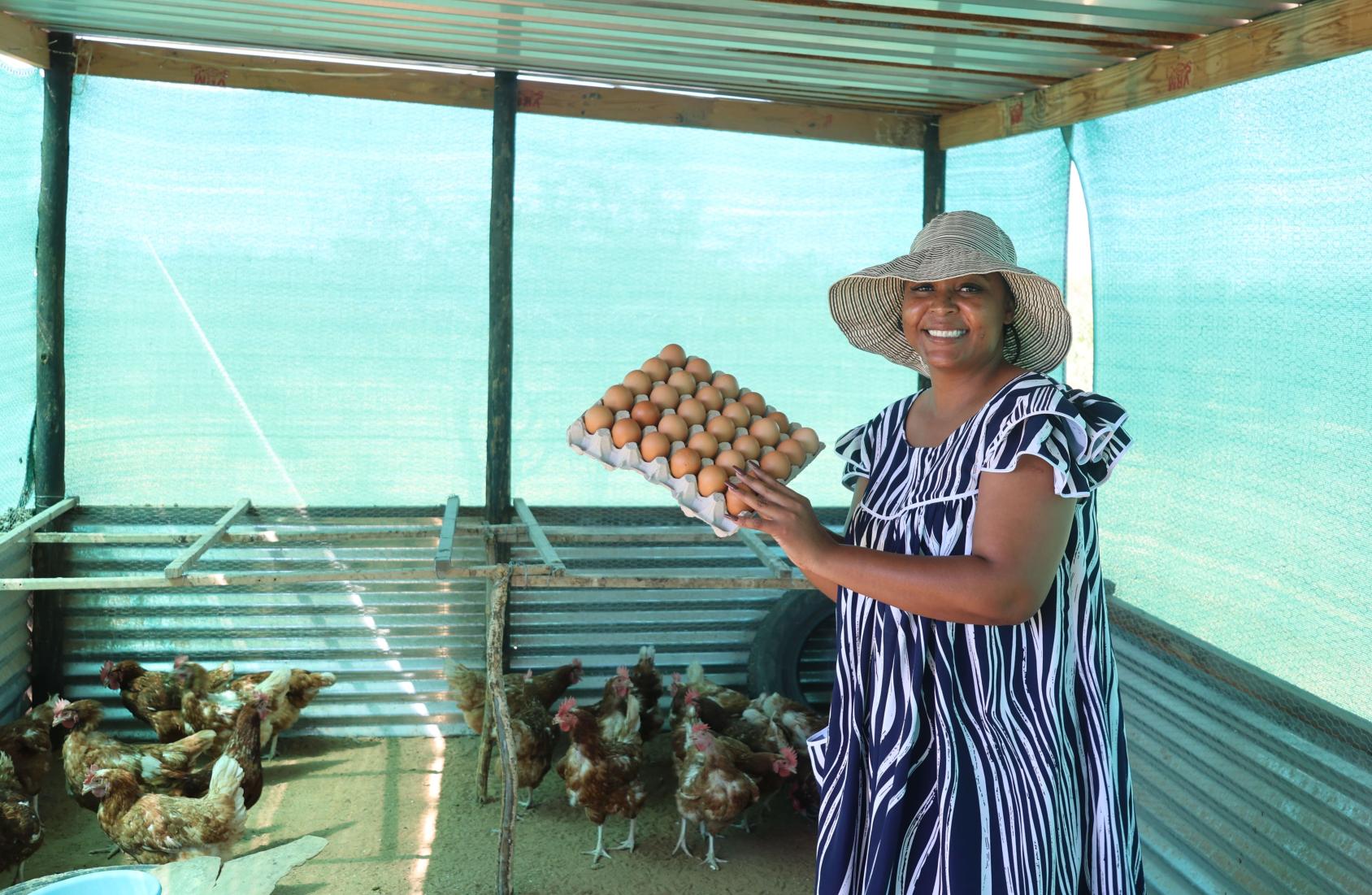
At the same time, Namibia’s employment story cannot be told without recognising the role of micro, small and medium enterprises (MSMEs). Across the country, thousands of such businesses sustain livelihoods every day, often outside the formal policy spotlight.
Yet many do not survive beyond the first few years. While Namibia-specific data remains limited, evidence from enterprise development studies across Africa suggests that a large proportion of small businesses, often estimated at around 70-90 per cent, do not survive beyond their first five years. This raises an important question: are we creating enterprises, or building businesses that last?
If Namibia is to make meaningful progress toward its job creation ambitions, these enterprises must be encouraged not only to start, but to grow.
The GA supports MSMEs by ensuring better coordination between entrepreneurship programmes, access to finance and business development services. Moreover, discussions on how to help businesses grow create opportunities for collaboration and partnerships. The GA also promotes stronger links between MSMEs, value chains and labour-absorbing industries.
By situating local entrepreneurship within a broader employment strategy, the GA helps move the focus from simply creating enterprises to building businesses that can survive, grow and generate jobs for others.
From Ideas to Action
Addressing national employment challenges will require more than individual programmes. It will require stronger coordination across institutions, clearer accountability for results and a more deliberate focus on ramping up what works.
As Namibia looks beyond 35 years of independence, the opportunity is clear: to move from well-intentioned initiatives to a more coordinated and results-driven approach to job creation.
Because in the end, the question is not whether we are doing enough.
It is whether what we are doing is working.
This blog was adapted from an article originally published by the UN team in Namibia. Please visit the UN team's website for more information about the UN's work in Namibia.




Latest news and updates


