Energy Security: Nine Ways the UN is Supporting the Philippines
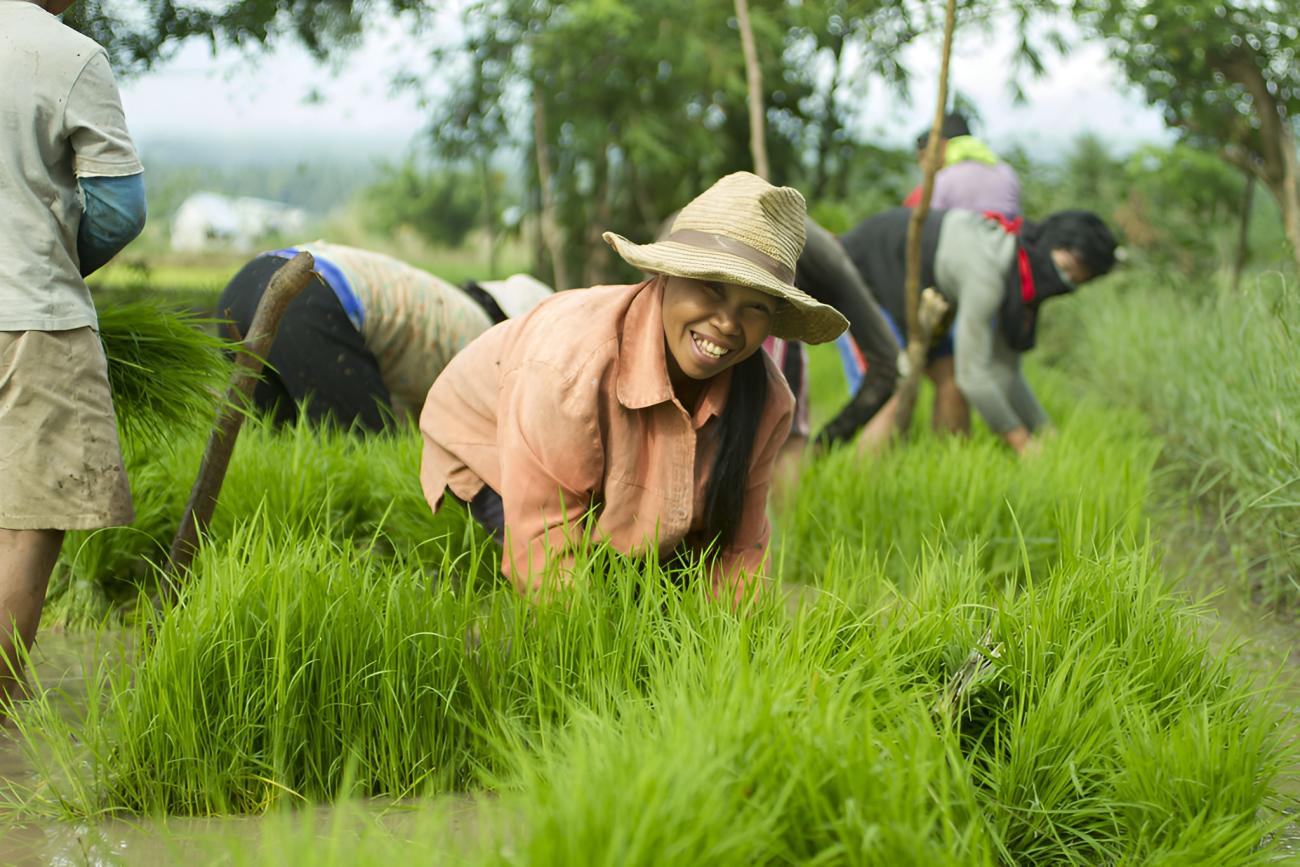
The Philippines’ energy system is shaped by longstanding challenges, such as high electricity prices, dependence on imported fuels and climate-related disruptions, all of which have become more acute amid global volatility in recent weeks. The UN has been working with the Government and communities on measures that contribute to a more secure and affordable energy future, as well as a healthier and more inclusive Philippines.
Here are nine ways the United Nations is supporting the Philippines’ energy security:
1. Building a Low-Carbon Transport System
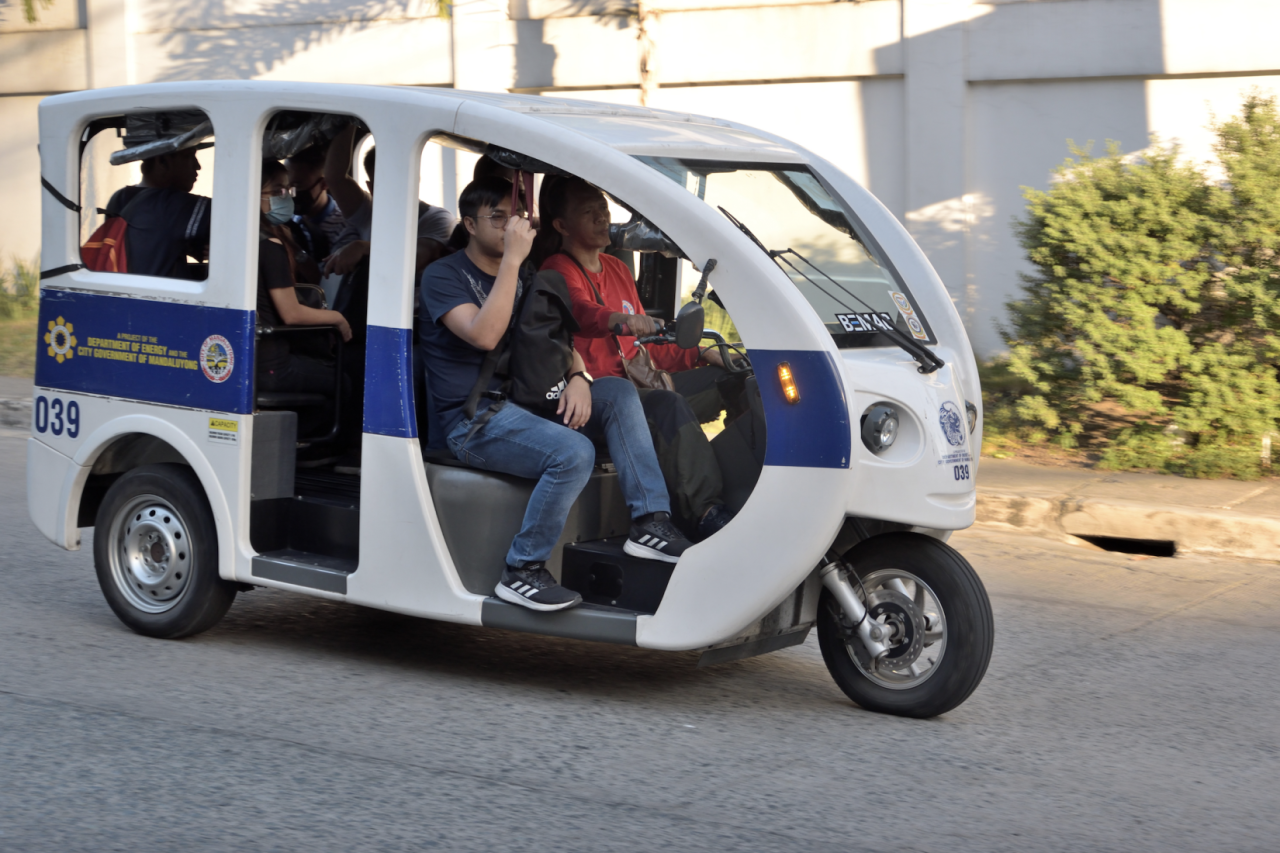
Transport remains one of the country’s most oil-dependent sectors, representing a critical vulnerability to national energy security. In response, the United Nations Industrial Development Organization (UNIDO) has supported the Government in the development of an Electric Vehicle Incentive Strategy. UNIDO has also provided comprehensive macroeconomic and value chain analyses, strengthened local energy planning and deployed solar-hybrid charging infrastructure solutions, along with innovative and viable business models to accelerate the transition toward low-carbon public transport. This project was funded by the Global Environment Facility (GEF).
UN Women advocates for gender-responsive transport infrastructure planning, ensuring low-carbon transport systems are accessible, well-lit and safe for women commuters and workers in the sector, thereby increasing uptake and reducing transport-related emissions.
2. Streamlining Offshore Wind Development
Offshore wind represents one of the Philippines’ largest long-term domestic energy opportunities. The United Nations Office for Project Services (UNOPS) has supported the establishment of a permitting and licensing framework, as well as a planning tool for the introduction of offshore wind power, which could facilitate up to 19 gigawatts of electricity capacity. The country’s total energy generating capacity is around 30 gigawatts, more than 40 per cent of this from coal.
3. Preparing the Grid for Higher Renewable Energy Integration
To ensure that new renewable energy capacity can be absorbed by the national grid, the United Nations Development Programme (UNDP) and partners are strengthening smart grid development, power sector planning and clean energy market frameworks. Support includes improved permitting rules, market readiness measures and capacity building for energy regulators and distribution utilities. In parallel, UNOPS is working to advance smart grid implementation with electric cooperatives, helping to modernise distribution networks through digital solutions, advanced metering and smarter energy management. These interventions improve grid stability and reduce exposure to fossil fuel price volatility.
4. Making Industries More Energy Efficient and Climate Smart
The World Health Organization (WHO) has supported the Department of Health with the development of Guidelines on Green and Safe Health Facilities, in which renewable energy and low carbon strategies are included.
The International Labour Organization (ILO) supports the Philippines in advancing energy security by engaging employers and workers to promote energy efficiency and environmental sustainability as part of a just transition. It encourages enterprises, both multinational and domestic, to adopt greener practices that reduce environmental impact while creating jobs and improving working conditions. Through social dialogue and alignment with international labour standards, these efforts contribute to inclusive, low-carbon growth and more resilient energy use across industries.
5. Expanding Solar-Powered, Climate-Resilient Housing for Remote Communities
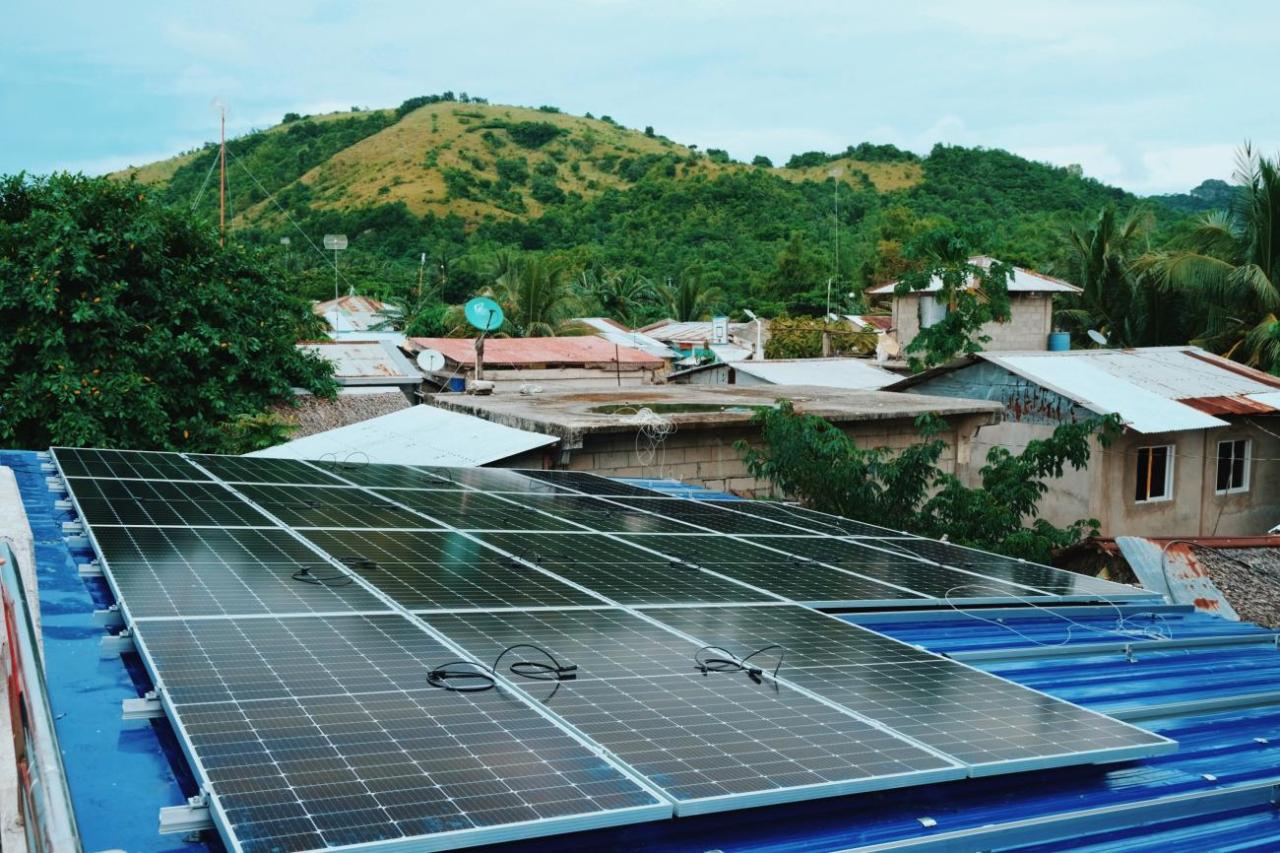
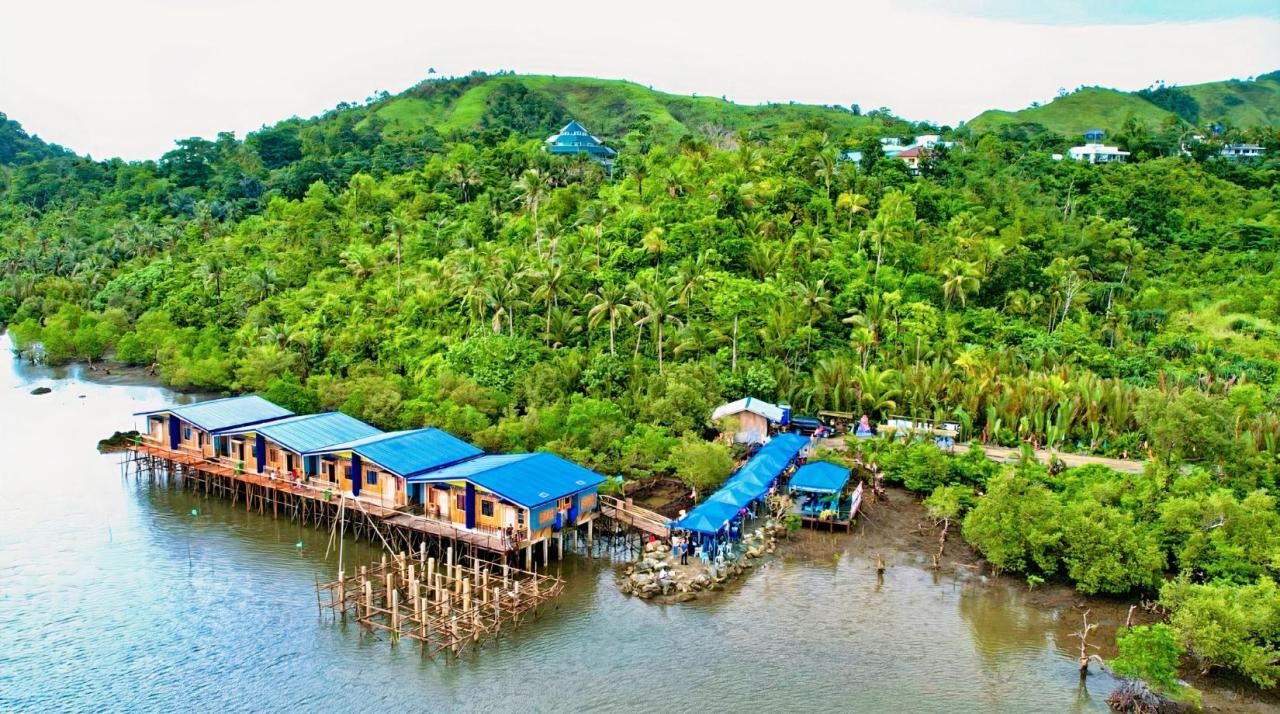
In Surigao City, UN-Habitat supported the construction of solar-powered, climate-resilient stilt housing for Sama Bajau indigenous families resettled from disaster-prone areas. These homes reduce dependence on costly and at times unreliable grid connections. This strengthens energy access and resilience for communities frequently cut off during storms, and can serve as a model for Government roll-out of similar initiatives in other parts of the country. UN-Habitat is also working on piloting green, affordable housing projects under an ASEAN initiative. This includes integrating cost-effective practical solutions, such as graywater treatment systems, rainwater harvesting and solar-ready retrofitting.
6. Promoting a Just Green Transition
The ILO ensures that energy transition investments in the Philippines translate into jobs, skills and sustainable economic returns. Recognising that the success of the green transition depends not only on technology but also on the availability of a skilled workforce, the ILO is supporting with establishing industry-led apprenticeships and technical training aligned with renewable energy and infrastructure investments.
UN Women and the UN Environment Programme (UNEP) support women, including entrepreneurs, by providing training that builds their knowledge and practical skills in renewable energy, supporting them to access green jobs in the historically male-dominated energy sector.
7. Strengthening the Energy Resilience of Food Systems
In the Bangsamoro Autonomous Region in Muslim Mindanao (BARMM), the Food and Agriculture Organization of the United Nations (FAO) is set to construct solar-powered ice block making plants, which will allow fishers to access ice much closer to fish landing sites. Besides lowering dependence on gasoline, these plants will also lead to decreased transport emissions and costs as fishers will no longer need to travel long distances just to preserve their catch.
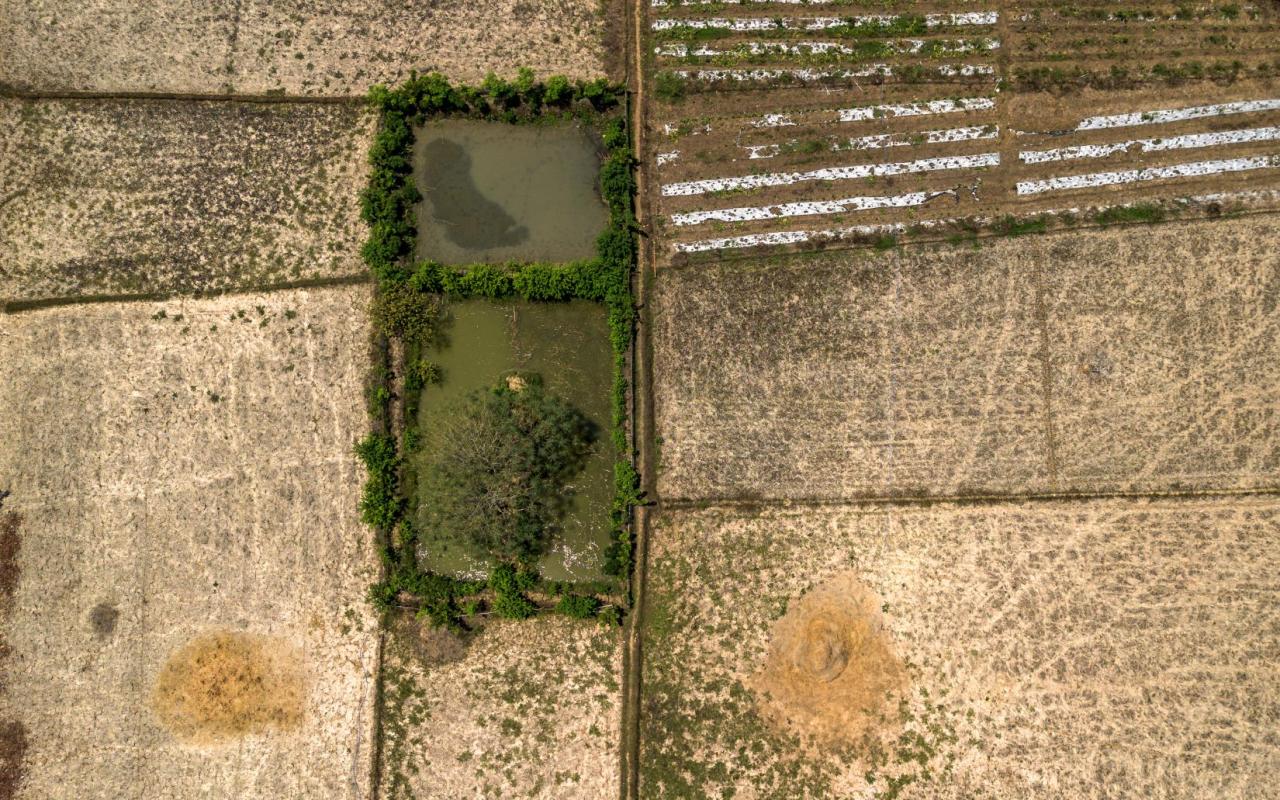
The World Food Programme (WFP), in support of the Department of Social Welfare and Development, promotes community-led small farm reservoirs, ponds and community gardens. This strengthens local water management and food production while reducing reliance on energy intensive irrigation, pumping and long-distance food transport. Producing food closer to where it is consumed lowers fuel and electricity use, while diversifying livelihoods and improving access to nutritious food in climate-vulnerable communities. In cooperation with the Government of BARMM, WFP has directly supported over 30,000 people with climate-resilient building activities, such as rehabilitating watersheds, reducing reliance on fossil fuels for food production.
8. Improving Supply Chain Efficiency for Agriculture and Fisheries
Food supply chains in the Philippines are energy intensive, with cold storage facilities heavily reliant on electricity and diesel. By contributing to the National Cold Chain Industry Roadmap and supporting climate-smart agrifood systems, FAO and UNIDO are supporting with reducing energy waste, improving refrigeration efficiency and stabilising food energy consumption. More efficient cold chains reduce pressure on the grid and help keep food systems operating during supply chain disruptions. Ten Cold Chain Innovation Hub demonstration pilot projects, developed through support from the Global Environment Fund, are expected to deliver energy savings of over 3,000 megawatt-hours and 9,000 metric tonnes of CO2 emissions by 2040.
9. Strengthening Social Protection Systems to Help Households Absorb Energy Volatility
The UN Children's Fund (UNICEF) is supporting the Government to advance social protection so that when system-wide disruptions or climate shocks affect household incomes, timely cash support is provided. These payments provide vulnerable families with a critical buffer in times of crisis, including energy crises, while also supporting Governments with responding more efficiently by easing pressure on emergency services. This intervention helps preserve children’s access to essential services, even amid economic volatility and shocks.
This story was adapted from an article originally published by the UN team in the Philippines. Please visit the UN team's website for more information about the UN's work in the Philippines.