
Rural Women Farmers in Bosnia and Herzegovina Advance Food Security and Equality
Women are behind much of the food production in Bosnia and Herzegovina. An estimated 60-80 per cent of food on the tables in Bosnia and Herzegovina goes through their hands, yet much of their work remains invisible and undervalued. When women’s contributions to the economy are not formally recognised, they risk exclusion from the agriculture subsidies, financing opportunities and essential investments in farming. To address this gap, UN Women partnered with several institutions from late 2022 to 2026 to integrate gender criteria into public agricultural grant programmes, ensuring rural women farmers have equitable access to economic and environmental justice.
From Isolation to one of the Largest Farms in the Kakanj Municipality
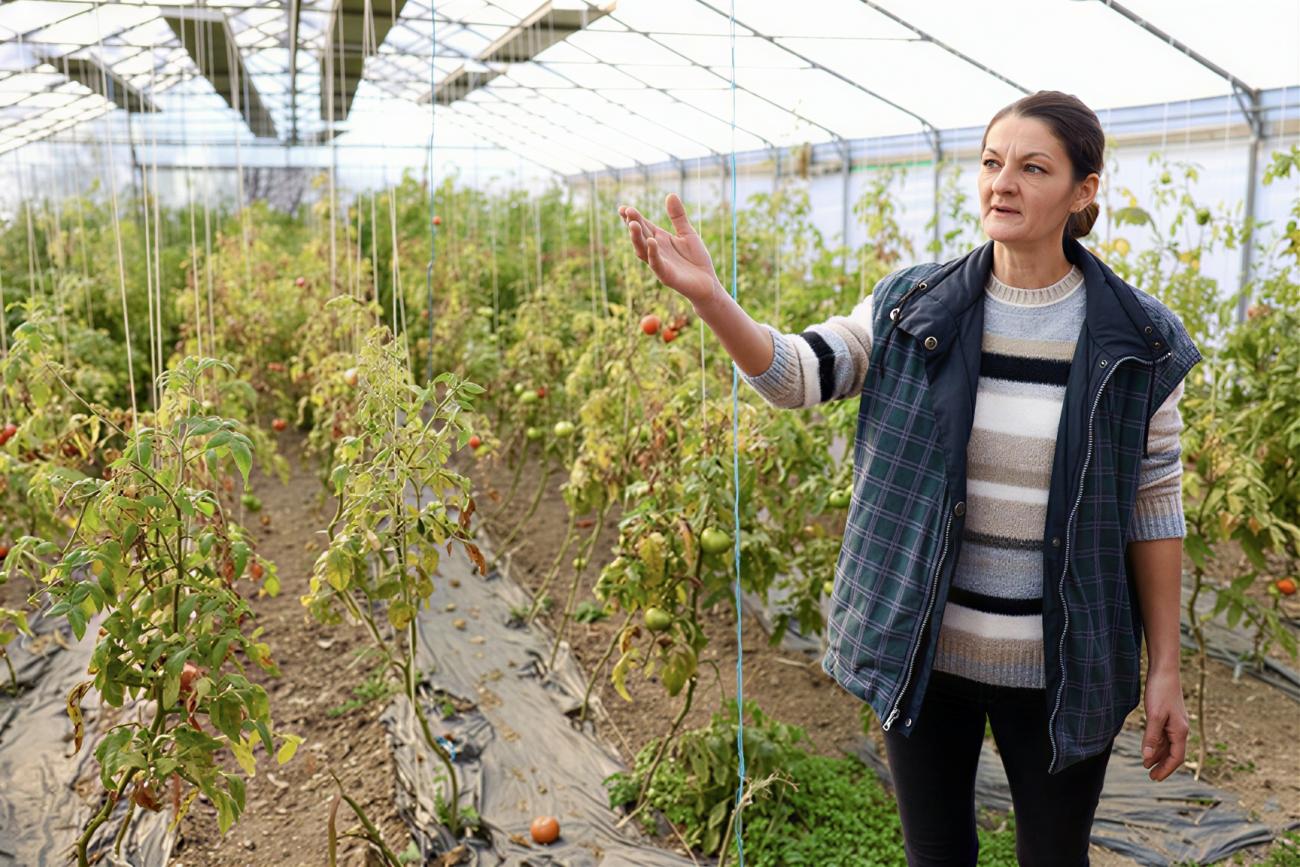
On a seven-acre farm above the town of Kakanj in central Bosnia and Herzegovina, Svjetlana Šolbić manages the largest organic greenhouse production in her municipality. Originally from Sarajevo, she moved to Kakanj 15 years ago after getting married. Together with her husband, she bought several small parcels of land and gradually built their farm into their family’s primary source of income.
With no previous agricultural experience, she and her husband learned everything on their own. “While I am focused on growing vegetables, my husband handles heavy fieldwork and sells our production at the local and neighbouring markets,” the farmer says.
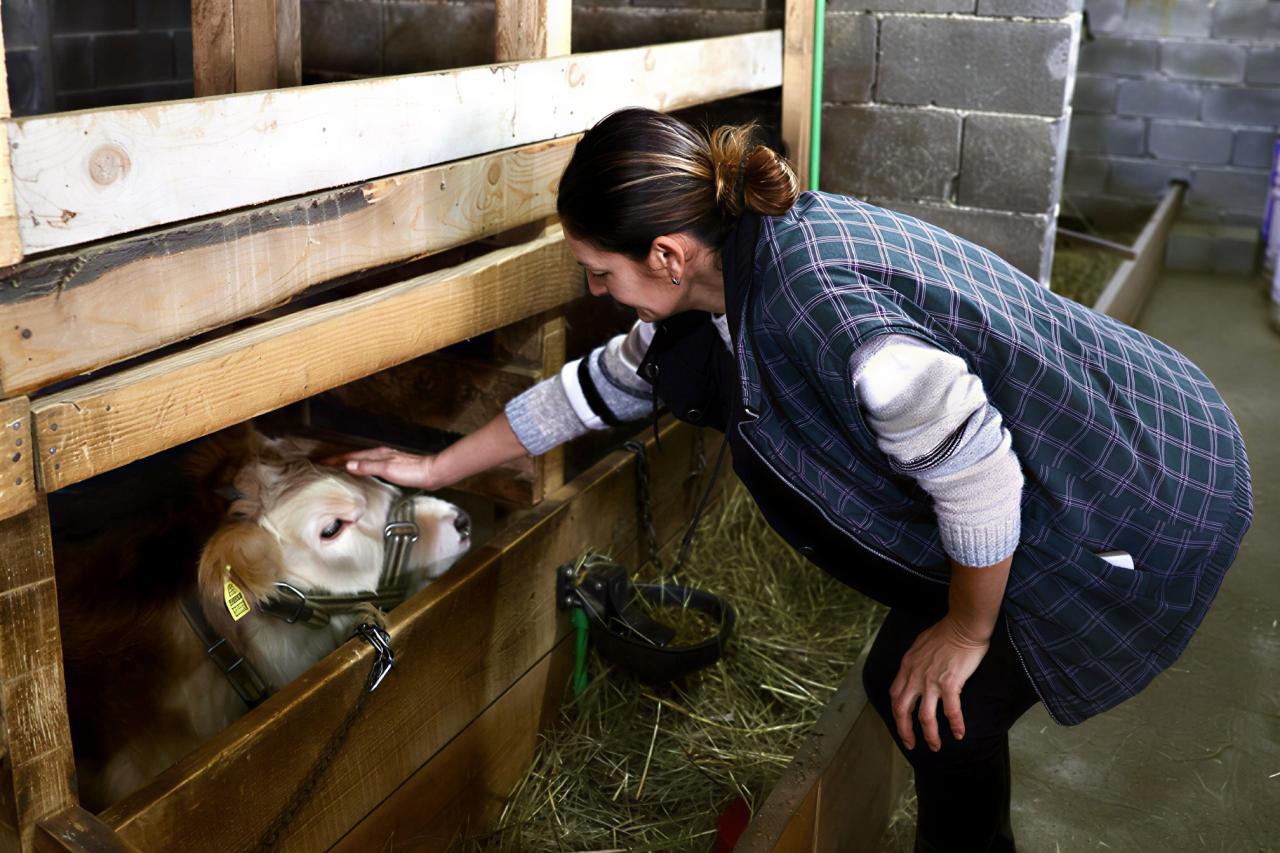
Svjetlana Šolbić grows peppers and tomatoes in greenhouses, and potatoes and wheat outdoors. She also keeps 15 cows with calves and is considering expanding into sheep farming. Until recently, she maintained nearly 30 beehives, until two harsh winters and a bear attack destroyed the apiary.
The remoteness of the farm is both an asset and a challenge. It provides the perfect conditions for organic farming, far from pollution and intensive farming. However, isolation also meant limited access to information about public agricultural grants.
“For years, that isolation also meant limited access to information about subsidy opportunities,” Svjetlana Šolbić explains.
Modest Investments, Major Changes for Women Farmers
Under the leadership of the Resident Coordinator and through the Sweden-funded Women Driving Resilience in Agriculture and Rural Areas (RW) programme, UN Women and the Food and Agriculture Organization (FAO) collaborated with entity-level ministries to introduce gender-sensitive criteria into public agricultural grants. These changes ensured that eligibility and scoring systems better reflected the realities faced by women farmers. The programme addresses the Resident Coordinator and UN Country Team's strategic prioritisation of sustainable and inclusive growth.
The programme also strengthened cooperation with municipal agricultural departments, improving outreach to women farmers in remote communities.
In this regard, Svjetlana Šolbić is one of the women farmers who benefited from a public agricultural grant that supported her in expanding and upgrading her farm. Thanks to the financial support, she acquired three 10,000-litre water tanks to secure irrigation during dry periods, a solar-powered electric fence to protect her land from wildlife and improved watering systems for her cattle. “These investments will help us to protect our production from wildlife damage and strengthen our resilience. They allow us to plan, not just respond to problems,” noted the farmer.
“As part of the programme design, monitoring visits were conducted even for smaller grants, amounts that would not normally require field verification. Ministry representatives later noted that visiting farms provided valuable insight into how even modest investments can create meaningful improvements for households and rural communities,” said Šemsa Alić, the Women’s Economic Empowerment Programme Coordinator for UN Women in Bosnia and Herzegovina.
Under the revised subsidy programmes, over 55 rural women farmers across the country received approximately $270,000 in public investment grants, ranging from $2,700 to $5,400, according to UN Women data.
These grants supported investments such as irrigation systems, greenhouse modernisation, livestock infrastructure and other equipment that boosts productivity and climate resilience.
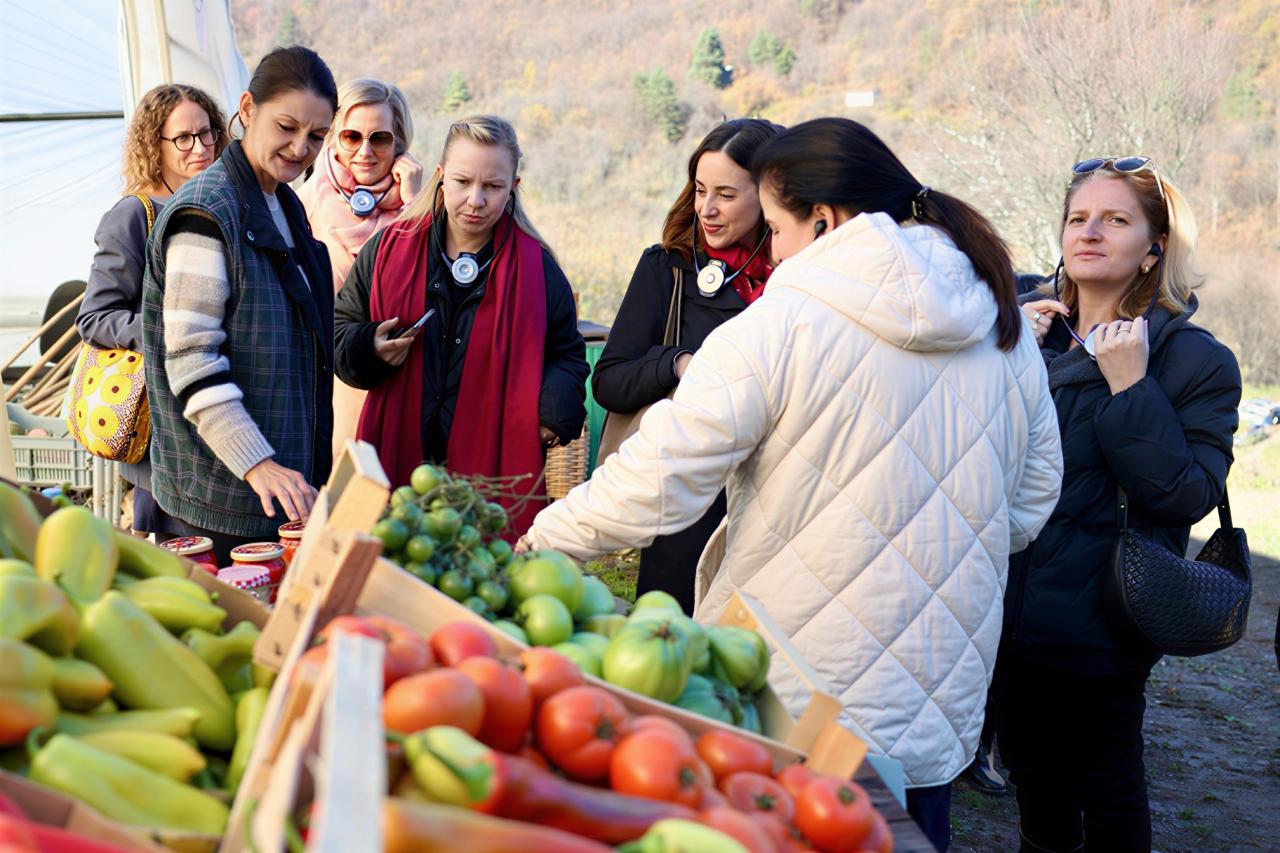
Through programme-organized meetings, Svjetlana Šolbić met other women farmers from Kakanj and neighbouring villages for the first time and has since been invited to join a local women’s association.
Her farm was also included in a field visit with local leadership. During the visit, the Mayor of Kakanj observed the connectivity challenges and committed to raising the issue with telecommunications providers.
As Bosnia and Herzegovina works to strengthen its agricultural sector amid climate pressures, improving rural women’s access to public agricultural financing contributes to both economic stability and rural communities’ resilience.
For Svjetlana Šolbić, progress is no longer just about the equipment. It’s about being connected to information, institutions and other women who share the same challenges and hopes. “This is hard work,” she says. “But it gives me my independence.”
This story was originally published by UN Women. Please visit the UN team's website for more information about the UN's work in Bosnia and Herzegovina.