Green Flags: Four Development Financing Trends We Are Excited About
This blog was authored by UNDCO's SDG financing team: Carmen Arguello, Chief of SDG Financing; Arun Jacob, Lead on Private and Blended Finance; and Peter Aidoo, Lead on Debt, Trade and Investment; with edits from UNDCO's communications team.
When countries met at last week’s Financing for Development Forum (FfD), they took stock of progress on the Sevilla Commitment, a UN-brokered effort to close the $4 trillion financing gap for the Sustainable Development Goals (SDG).
The challenge is urgent, as the Financing for Sustainable Development report indicates. Official development assistance dropped 6 per cent in 2024 to $214.6 billion. It fell by another 23 per cent in 2025, and is projected to fall by up to 25 per cent in Least Developed Countries. For the second year in a row, foreign direct investment also went down 11 per cent in 2024 to $1.4 trillion. Developing countries worldwide face heavy debt burdens, with debt repayments reaching 20-year highs in 2024.
At the same time, global shocks, from conflict to inflation, are making it harder for countries to invest in their future.
Yet even in this difficult context, new approaches are emerging. Across the UN and its partners, there are clear signs of progress and practical ways to mobilise resources, manage risk and deliver results.
Here are four development financing trends we are most excited about:
1. Blended Financing is Increasingly Becoming a Tool of Choice
In an uncertain and changing world, private investors are less likely to take financial risks. By using philanthropic or public funds to mitigate potential losses or secure returns, the UN and its partners are encouraging private financiers to invest in sustainable development. And at the FfD’s SDG investment fair, for example, countries presented their projects to private financiers.
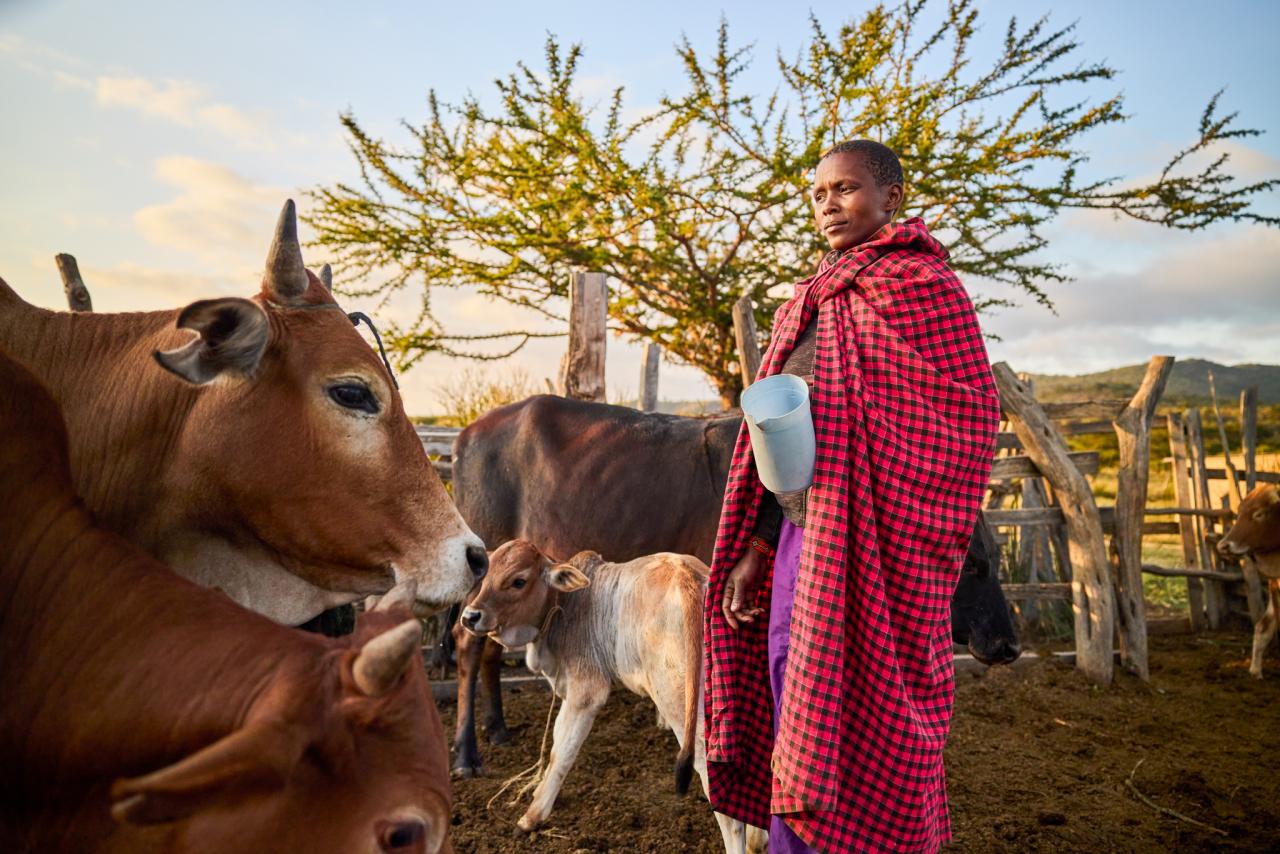
Positive signals are also emerging on the ground. In Kenya, a results-based financing model that the UN and partners established has mobilised over $12.1 million for teen pregnancy and HIV services, reaching more than 750,000 teenage girls.
2. Green and Blue Financing are Unlocking Even More Investments
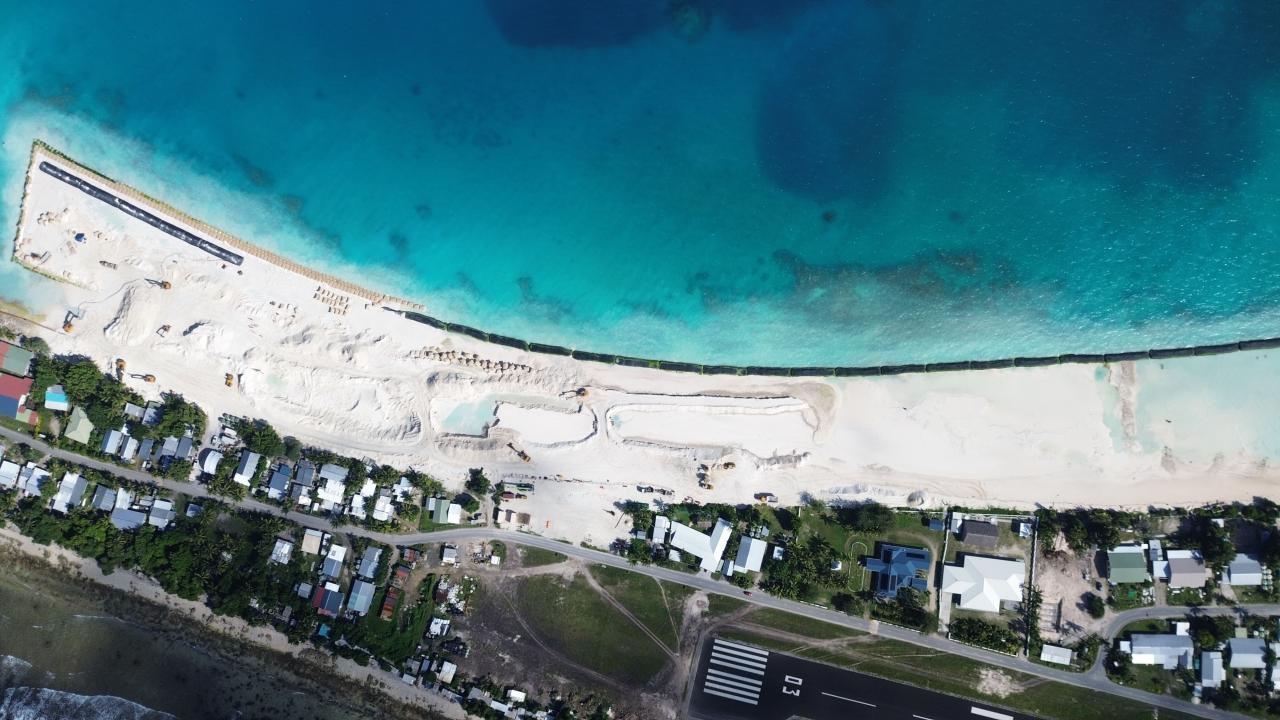
Green financing supports efforts that benefit the environment, from clean energy to resilient infrastructure and nature-based solutions. Its companion, blue financing, focuses on the sustainable management and protection of oceans, coasts and freshwater systems. The Sevilla Commitment makes clear that closing the SDG financing gap will require scaling sustainable finance.
This comes amid the New Collective Quantified Goal (NCQG) on climate finance, which Parties under the UN Framework Convention on Climate Change (UNFCCC) adopted at the 2024 United Nations Climate Change Conference (COP29). By 2035, developed countries aim to mobilise $300 billion per year in climate financing. At the same time, collective efforts seek to raise total climate finance for developing countries to $1.3 trillion per year by 2035 from public and private sources.
Together with Sevilla, the message is clear: more finance, better access and stronger country ownership so that investments reach the communities that need them most.
The challenge is stark. A new report found that $30 is spent destroying nature for every $1 invested in protecting it. More than $7 trillion was spent on harmful activities in 2023 alone. But finance is beginning to shift: in 2023, international public finance for nature-based solutions rose by 22 per cent compared to 2022, marking a 55 per cent increase from 2015 levels, and spending on landscape protection and biodiversity increased by over 10 per cent between 2022 and 2023.
These trends reflect Sevilla’s emphasis on directing finance more effectively, and the NCQG’s call to scale funds in ways that improve access and impact.
Uruguay offers a “greenprint” in how climate financing can work in practice. Leveraging the Joint SDG Fund and financing from Grupo Santander, the International Finance Corporation and the Renewable Energy Innovation Fund, the Government worked with the UN and national partners to produce and use green hydrogen for heavy transport. Outlining the potential, projections from the International Renewable Energy Agency indicate that the green hydrogen market could reach around 550 million tons annually by 2050, triggering more than $11 trillion in investment.
3. Debt Sustainability Offers More Relief
The Sevilla Commitment sets out a framework for countries to move toward more sustainable debt, including tools that can withstand crises and better support borrowers.
Key opportunities include lowering borrowing costs and setting rules in advance that allow countries to temporarily pause debt payments after major shocks, rather than relying on slow, improvised renegotiations.
Several countries are also using debt swaps, which allow them to reduce or restructure debt for investments in sustainability. For example, Indonesia finalised a $35 million debt-for-nature swap in January 2025, redirecting debt service toward coral reef protection. Gabon completed a similar operation the same year to support forest conservation while easing fiscal pressures. Cabo Verde and São Tomé and Príncipe have carried out smaller debt-for-development swaps, while Sri Lanka and Lao PDR have entered UN-supported negotiations.
If scaled, these approaches can strengthen resilience and support long-term development.

4. More Strategic UN Collaborations with International Financial Institutions (IFIs)
The power of cooperation lies in pooling global resources—human, financial, technological and others—to tackle pressing challenges across countries and regions.
That is why IFIs play a crucial role in supporting sustainable development, bringing both expertise and large-scale financing. Data from UN-Info show that nearly 80 per cent of countries reported at least one coordinated and/or joint initiative with IFIs in 2025.
But why does data matter? It suggests UN–IFI collaboration is increasingly the norm rather than the exception, creating more opportunities to replicate what works and align funding with country priorities.
Importantly, this collaboration is not just a statistical trend. It is reflected in practical, results-driven partnerships. For example, with financing from the Joint SDG Fund, the UN leveraged co-financing from the European Bank for Reconstruction and Development to create the Green Finance Facility in North Macedonia, with support from governments and local partners. Between 2023 and 2025, the programme supported over 80 small and medium enterprises and 210 households in accessing green financing, delivering annual energy savings equivalent to powering roughly 17,000 homes. The facility also reduced CO₂ emissions by over 50,000 tonnes annually, akin to taking nearly 12,000 cars off the road.
As resources tighten, innovation is accelerating. From new investment models to debt relief tools and stronger partnerships, countries are finding practical ways to finance development. The task now is to turn these into results that people can see and feel: jobs, stronger communities and real opportunity.
As the Deputy Secretary-General underscored at the close of the Forum, “the real test begins now. Success will not be judged by the commitments that were made, but by whether those commitments change financing conditions for the countries that need them most.”
All joint programmes of the Joint SDG Fund are led by UN Resident Coordinators and implemented by the agencies, funds and programmes of the United Nations development system. With sincere appreciation for the contributions from the European Union and Governments of Belgium, Denmark, Germany, Ireland, Italy, Luxembourg, Monaco, the Netherlands, Norway, Poland, Portugal, the Republic of Korea, the Kingdom of Saudi Arabia, Spain, Sweden and Switzerland for a transformative movement towards achieving the SDGs by 2030.