Autism Never Sleeps: Inside Divjakë’s Community Centre Changing Lives
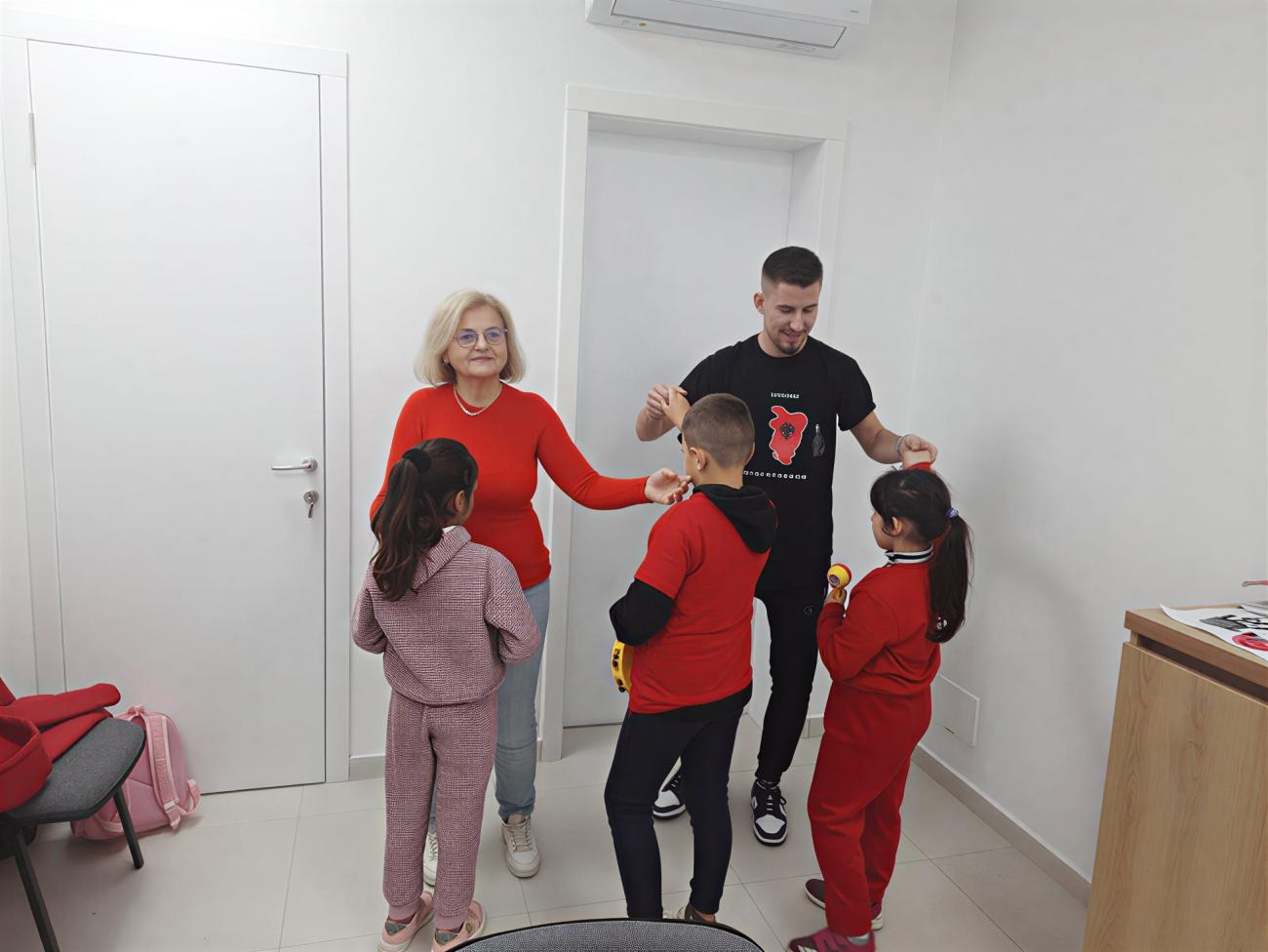
This story was published in commemoration of World Autism Awareness Day, observed every year on 2 April. A UN-backed programme in Albania exemplifies this year's theme, "Autism and Humanity – Every Life Has Value," by supporting children with autism through a multifunctional community centre that brings critical services closer to home and reshapes daily life.
For years, families caring for children with disabilities in Divjakë faced a familiar reality: essential services were distant, costly or unavailable. In a municipality where villages are scattered and public transport is limited, accessing therapy often meant long journeys or going without support altogether.
The opening of a new multifunctional community centre is beginning to change that, bringing critical services closer to home and reshaping daily life for some of the municipality’s most vulnerable families.
The centre provides daily rehabilitation and developmental therapy for children aged 3 to 18, many of whom are on the autism spectrum. A multidisciplinary team — a psychologist, social worker, speech therapist and physiotherapist — delivers individualised and group-based support. Transportation is provided for children from remote areas, helping ensure geography does not determine access to care.
Supporting Families and Transforming Lives
Divjakë’s experience reflects a broader national challenge. Nearly 280,000 people in Albania require social care support, yet only about 12 per cent of this need is currently met. In almost two-thirds of municipalities, less than 10 per cent of demand is covered, leaving many families without consistent assistance.
At the Divjakë centre, 16 children receive individual or group therapy each day, supported by four staff members. Demand, however, far exceeds capacity, with 75 children on a waiting list — a reminder that access remains limited even where services exist.
“One of the biggest challenges is late disability assessment,” the centre’s director explains. “Stigma around disability often prevents parents from seeking help early. Many of the children who come here have never received therapy before.”
Only around 20 per cent of children had received any form of therapy prior to enrollment. Yet the impact of regular, structured intervention is already clear.
“In a short time, we see children becoming more social, communicating better and showing real developmental progress,” the director says.
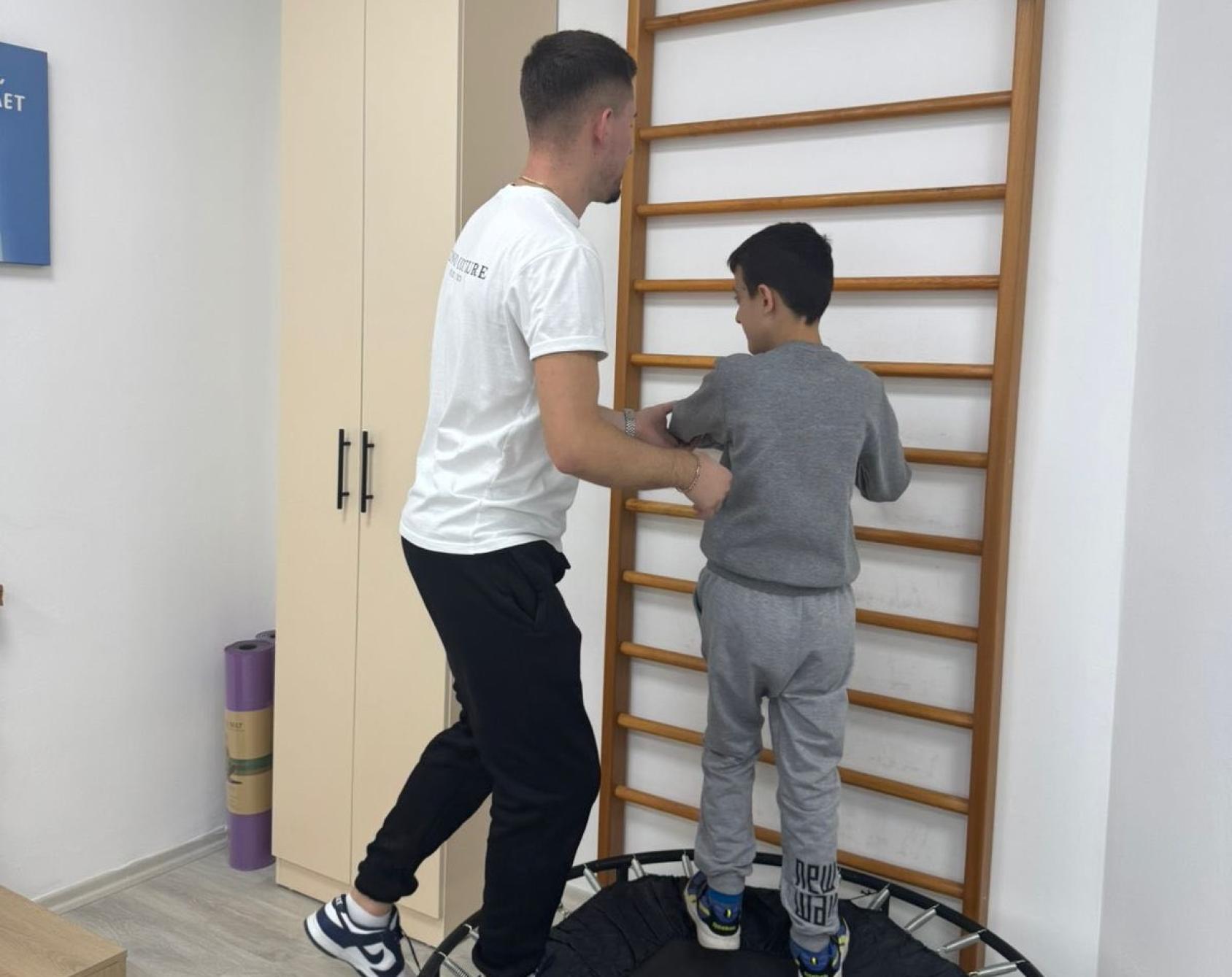
“A month ago, my son wouldn’t look at other children.” Standing at the edge of a playroom, a mother watches her young son laugh and follow instructions during a group activity.
“Autism never sleeps,” she says.
For mothers like Ermira, who travel daily from a nearby village, the centre has been transformative. For six years, her son attended private therapy in Fier, an hour away, placing a heavy financial burden on the family.
“After three months here, the changes are noticeable,” she says. “He understands more, does better at school and looks forward to coming here every day. The service is even better than what we received privately.”
Her experience is shared by many families across Albania, where social care services remain concentrated in larger cities. Tirana alone accounts for nearly one-quarter of all social care services nationwide, while smaller municipalities often lack nearby options, forcing families to travel long distances or forgo care altogether.
Seven-year-old Franceska is another example of how access can change a child’s path. She began speaking at the age of five, and her behaviour at school was initially misunderstood.
“After three months at the centre, she comes home and tells me stories about what she did there,” her mother says. “She is more social, shares her toys and recognises letters.”
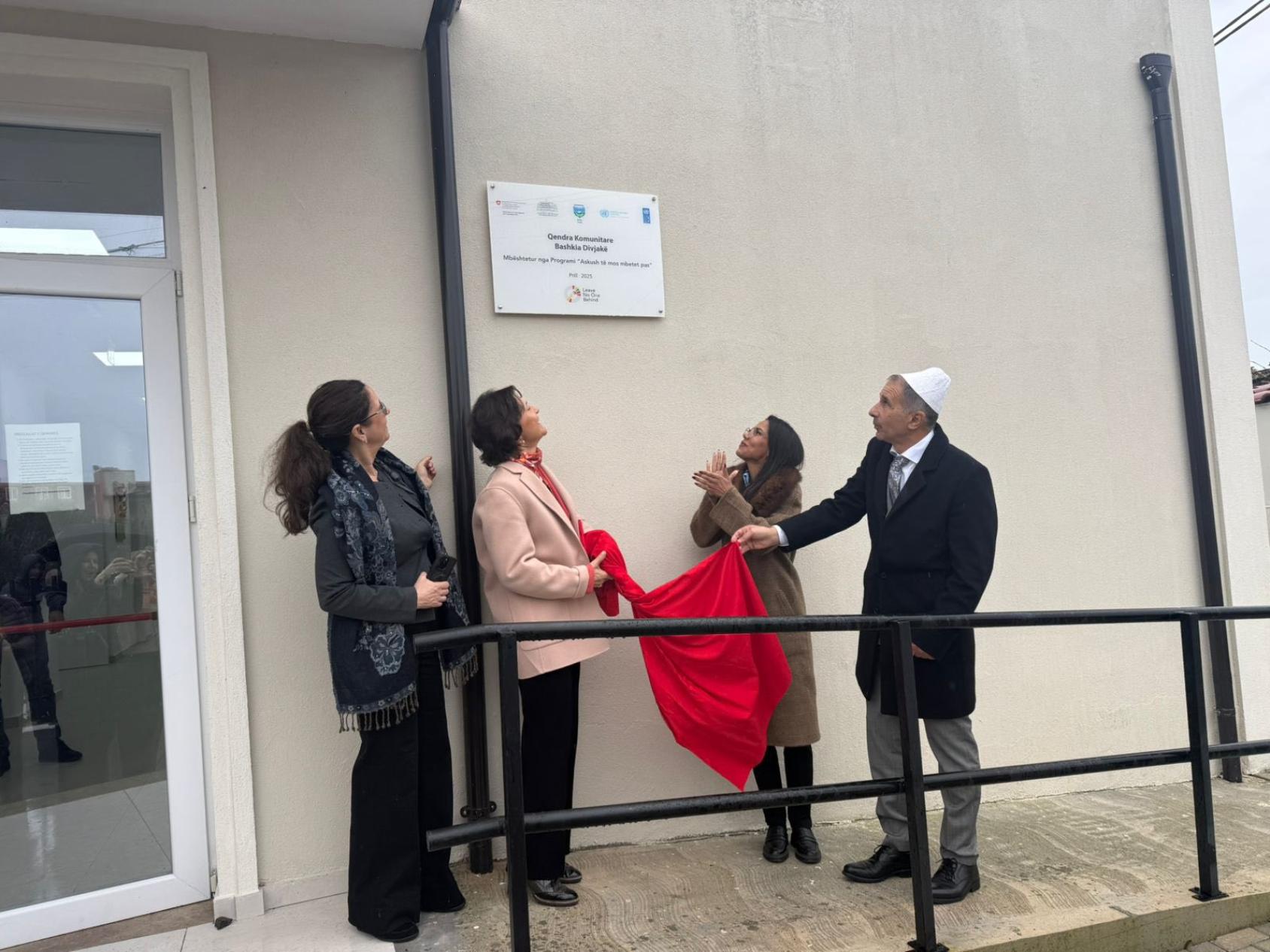
Leaving No One Behind, Regardless of Age
Beyond services for children, the centre also offers socio-health activities for elderly women, promoting active ageing, social inclusion and well-being, while strengthening community connections.
The municipality plays a central role in sustaining the centre, covering its management and daily functioning through the local budget and the Social Fund. While municipal funding accounts for around 10 per cent of total costs, the remaining 90 per cent is financed through the Social Fund of the Ministry of Health and Social Welfare, highlighting the importance of national-local co-financing.
The community centre is part of a broader package of support delivered by the UN Development Programme (UNDP) under the Leave No One Behind programme. In Divjakë, this has included the Local Social Care Plan 2024-2027 and the implementation of an Integrated Social Services Model through a civil society organization, “Help for Children,” delivering coordinated education, social protection, employment support, vocational training and social housing services to families in need.
Beyond Divjakë, the programme supports 17 municipalities nationwide, strengthening the capacity of around 90 professionals who provide services to more than 400 children and youth with disabilities through community-based centres, in line with Law No. 121/2016 on Social Care Services.
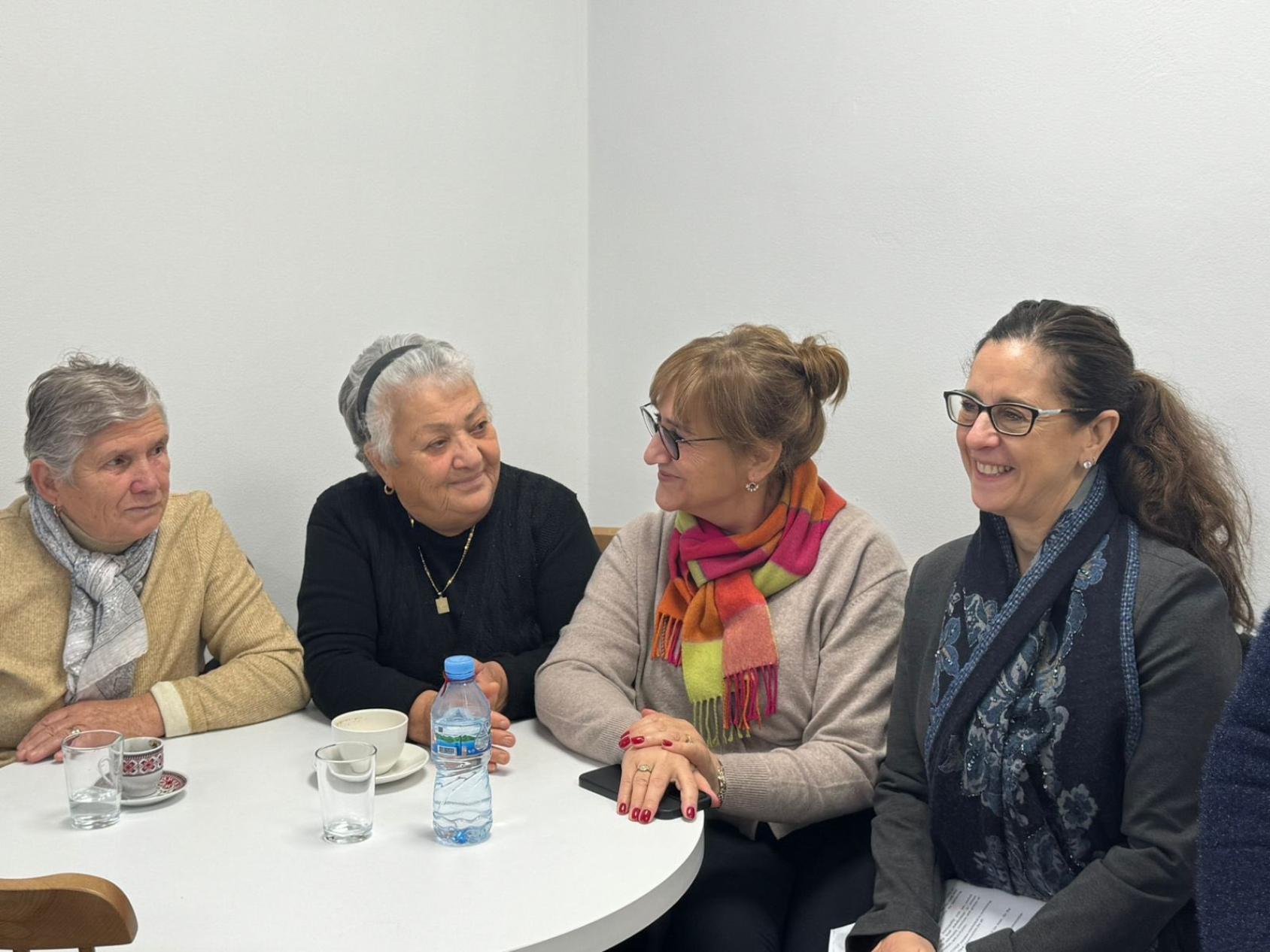
The second phase of the United Nations Joint Programme Leave No One Behind is funded by the Swiss Agency for Development and Cooperation and implemented by UNDP, the UN Population Fund (UNFPA), UN Children's Fund (UNICEF) and UN Women, in partnership with the Government of Albania.
As Divjakë continues to face growing demand and limited resources, the community centre stands as a tangible example of what inclusive, community-based care can achieve when services are designed around people’s real needs.
For families who once said, “We never had this,” the centre is more than a service. It is a turning point: proof that dignity, belonging and opportunity can exist every day, close to home.
This story was originally published by UNDP. Please visit the UN team's website for more information about the UN's work in Albania.




Latest news and updates


