Brewing Change: From Opium Poppies to Premium Coffee in the Mountains of Lao PDR
How a farmer-owned cooperative is replacing illicit crops with sustainable livelihoods in Northern Lao PDR
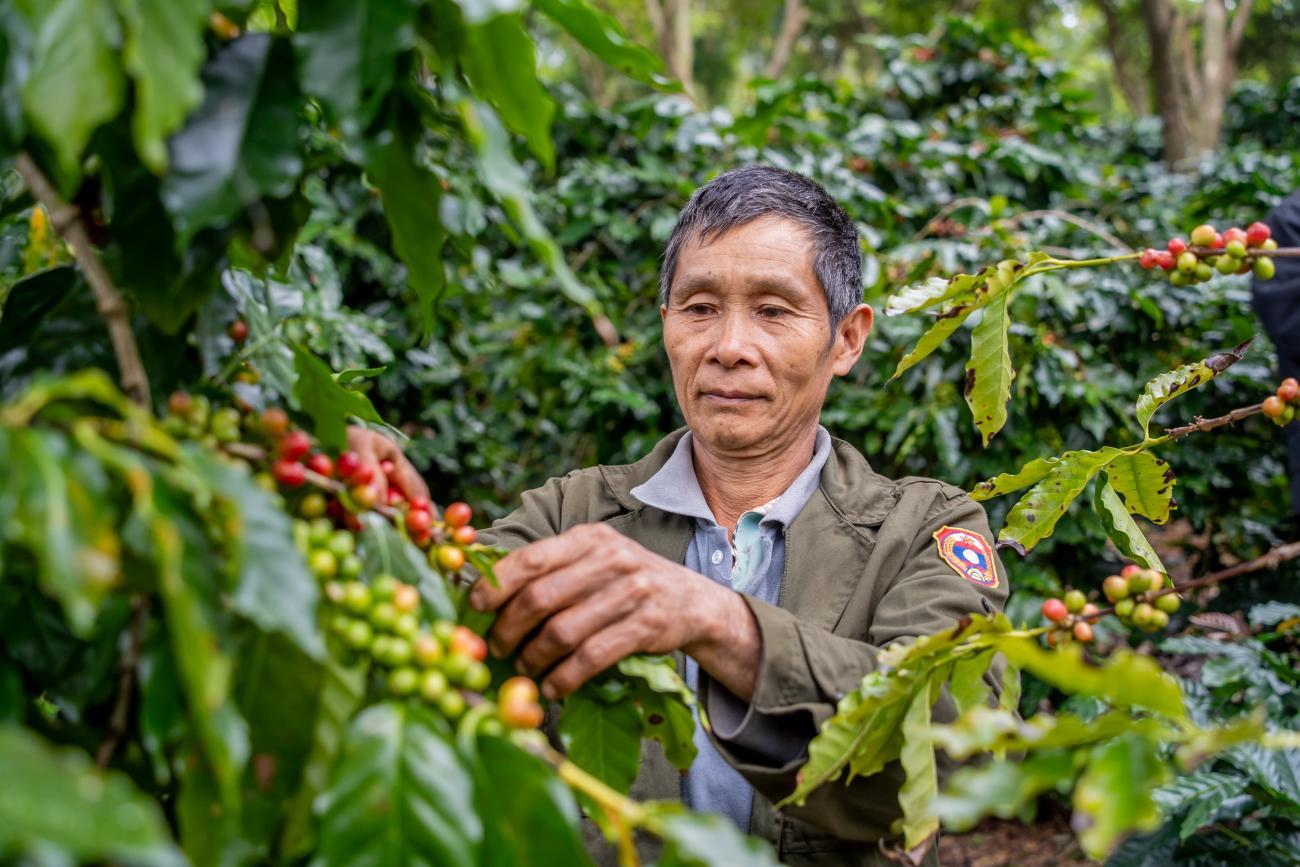
In the mist-covered highlands of Houaphanh Province, Vongsone carefully inspects his morning harvest among the red coffee cherries. A few years ago, this land grew a different crop — one that tethered communities to poverty and criminal networks. Today, these same hills are rewriting their story.
This transition was at the heart of the Alternative Development Field Workshop, titled "From Theory to Practice," which took place in Xamneua District in December 2025. Sponsored by the Government of China and organized by the United Nations Office on Drugs and Crime (UNODC) under the Mekong Memorandum of Understanding (MOU) framework, the event brought together Government representatives from the Mekong and beyond, development partners and practitioners to witness firsthand how long-term investment in licit livelihoods is reshaping the region.
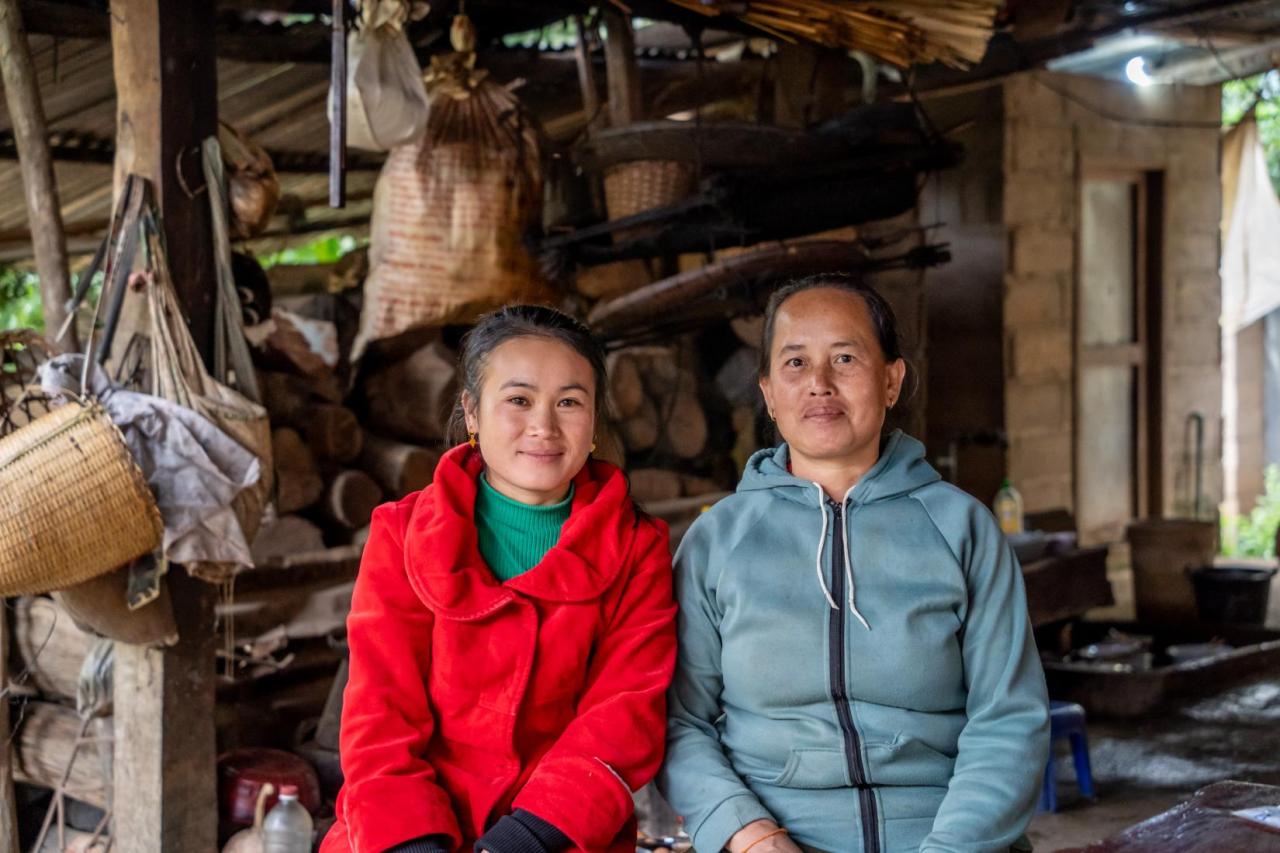
A Harvest of Hope
Since 2015, UNODC, in close partnership with the Lao Government, has been working on the ground in Houaphanh, a region historically affected by opium poppy cultivation. The strategy was clear: replace the illicit drug economy with a sustainable value chain that empowers farmers "from seed to cup".
The result is the Vanmai Coffee Cooperative. Established in 2020 to unite farmers and strengthen their collective bargaining power, Vanmai has become a beacon of success. Today, the programme supports over 910 farming households in Houaphanh alone, helping them secure Fairtrade certification and connect with international buyers in Europe.
“When I grew opium, I earned about 200,000 kip (approximately $9.30) a year. Through the Alternative Development project, I began growing coffee and received support with farming, processing and accessing markets. Today, I earn much more — enough to send my children to school. Last year, I was even able to build a house in town for my family,” said Vongsone, coffee farmer, Ban Bone Village, Xamneua, Lao PDR
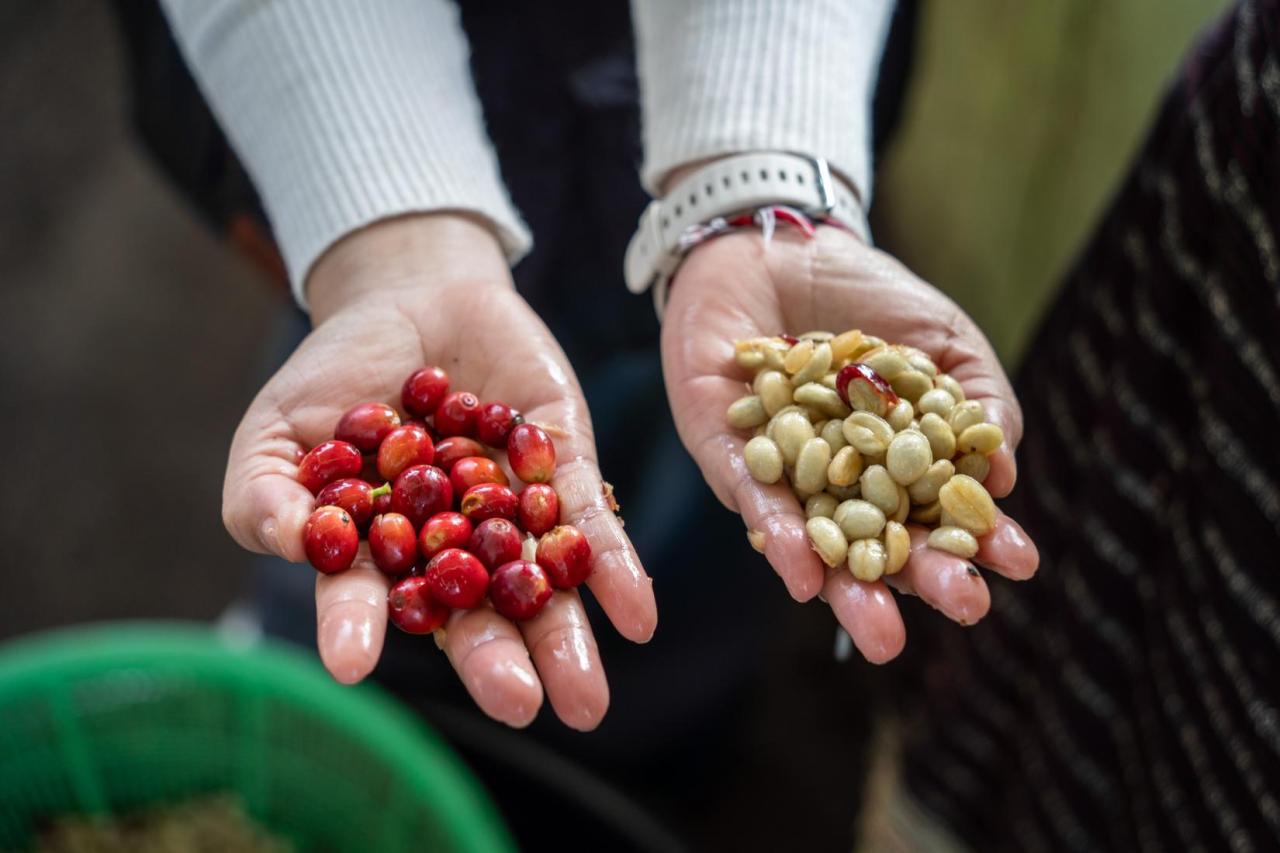
Empowerment in Every Cup
Beyond economics, the impact is deeply social. The Vanmai Women’s Network, established in 2021, has opened doors for women to take on leadership roles and engage in commercial activities. Income generated from coffee sales is being reinvested by communities into essential infrastructure, including schools, electricity and sanitation.
Farmers are also adopting climate-smart practices, such as shade-grown coffee and organic composting, ensuring that their development does not come at the cost of the environment.
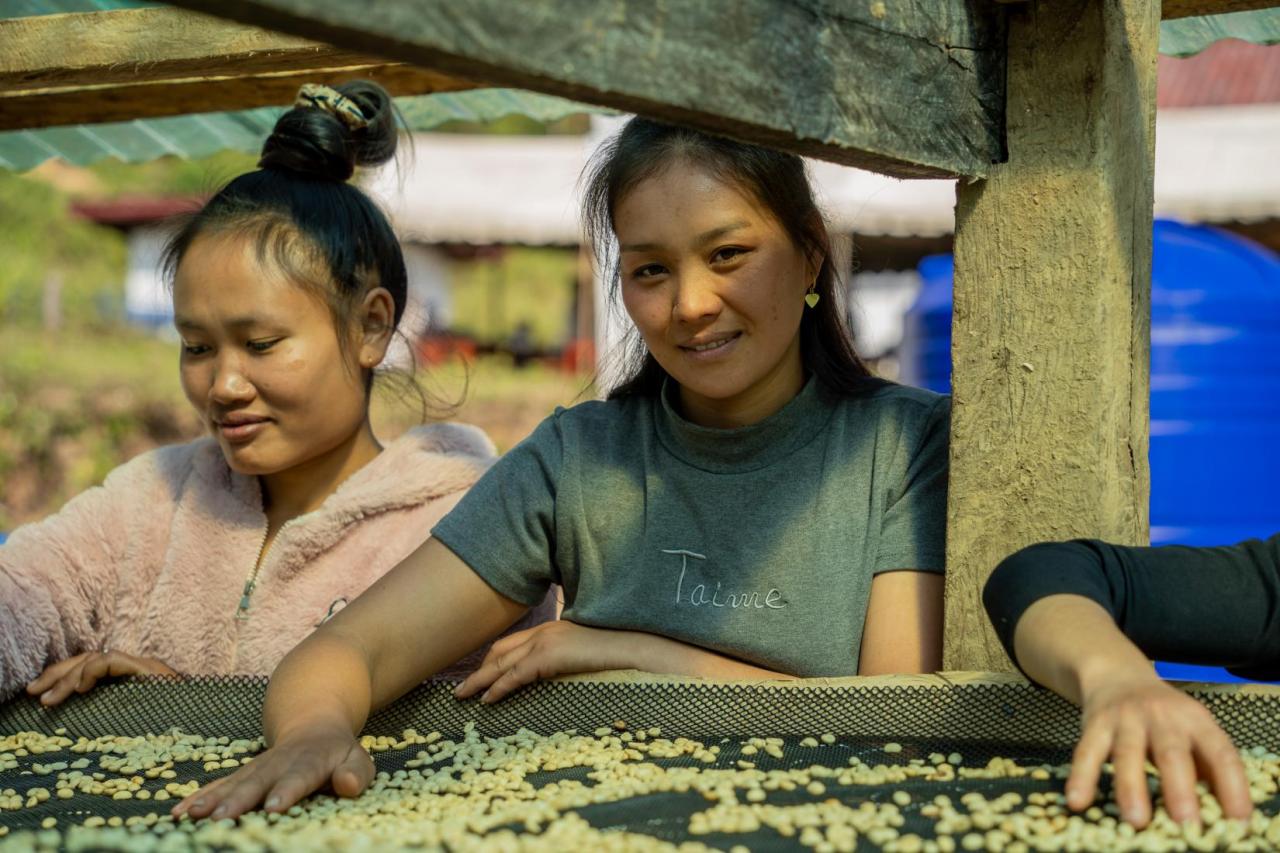
Looking Ahead
As delegates gathered in Xamneua to visit the coffee plantations and processing centres, the focus was also on the future. The successful model in Houaphanh is already being replicated in Phongsaly Province, where over 390 households are now also receiving support, bringing the total beneficiary base to over 1,300 families.
“Alternative Development is not about replacing one crop with another. It is about building a value chain that restores trust and opens long-term opportunity. What we have seen here is the progress made through sustained commitment, strong partnerships and, above all, communities who have welcomed us into their homes. That trust carries responsibility, and it is not something we take lightly,” said Thida Soukthavone, Officer-in-Charge, Alternative Development Programme, UNODC Lao PDR Office
Supported by the Governments of Luxembourg, Italy, Germany, the United States and Japan, this initiative proves that with the right support, communities can transition from vulnerability to resilience — one coffee bean at a time.
This story was originally published by the UN team in Lao PDR. Please visit the UN team's website for more information about the UN's work in Lao PDR.