Why is Gender Equality Crucial for Tackling Climate Change?
This article is adapted from an Explainer published by UNDP. Vulnerability to climate change fundamentally intersects with gender inequality, with climate impacts affecting women and girls differently from men. Further, women's knowledge, networks and leadership are crucial for climate action in communities. Through the Climate Promise initiative, the UN is supporting countries in their pursuit of ambitious national climate pledges, ensuring that the new age of Nationally Determined Contributions (NDCs) are gender-responsive and leave no one behind.
How does Climate Change Impact Women and Girls Differently?
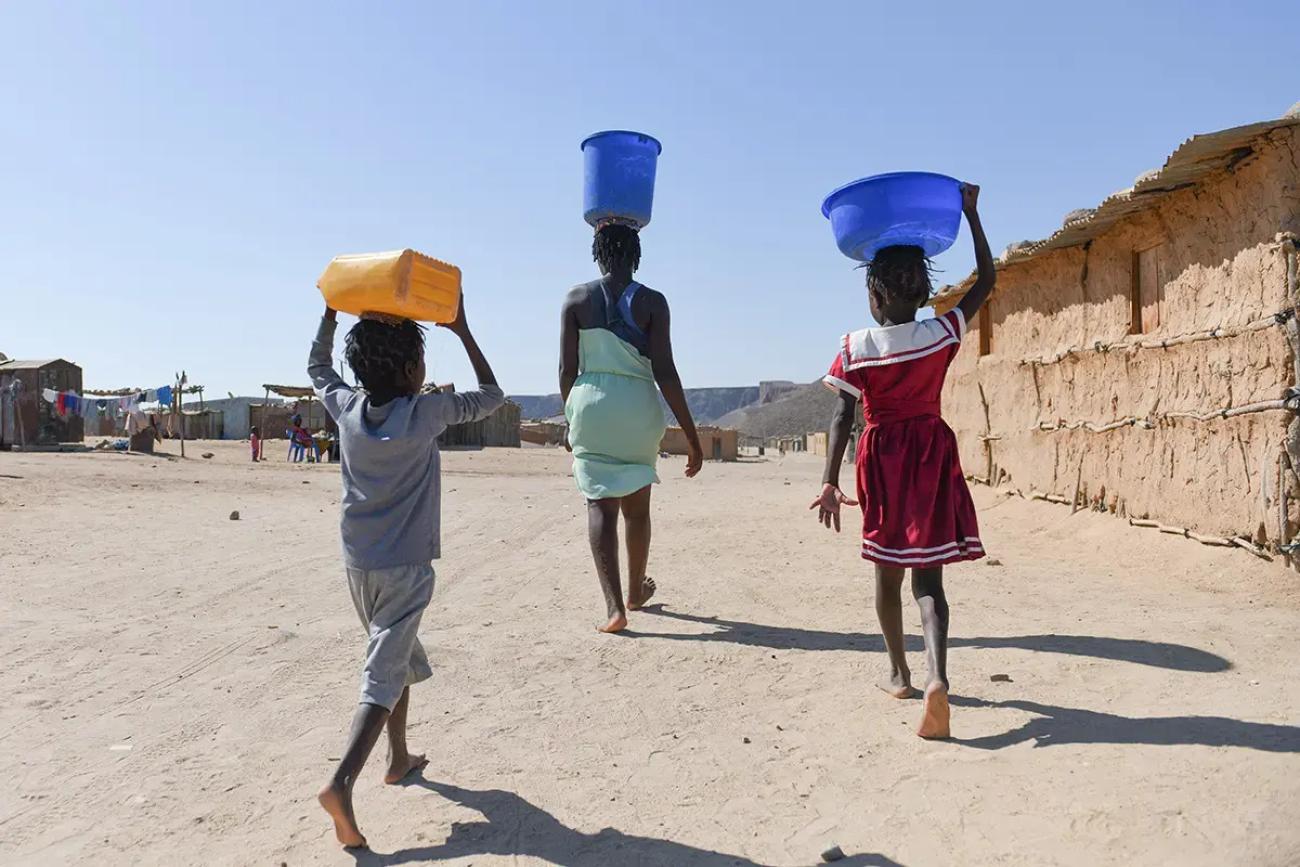
The climate crisis, just like nearly every other humanitarian and development challenge, has a greater impact on women and girls, especially those in vulnerable or marginalised situations.
This imbalance stems from the unequal sharing of power and resources between women and men, the prevalence of gender-based violence, the uneven distribution of unpaid care work and all other forms of deep-rooted gender-based discrimination.
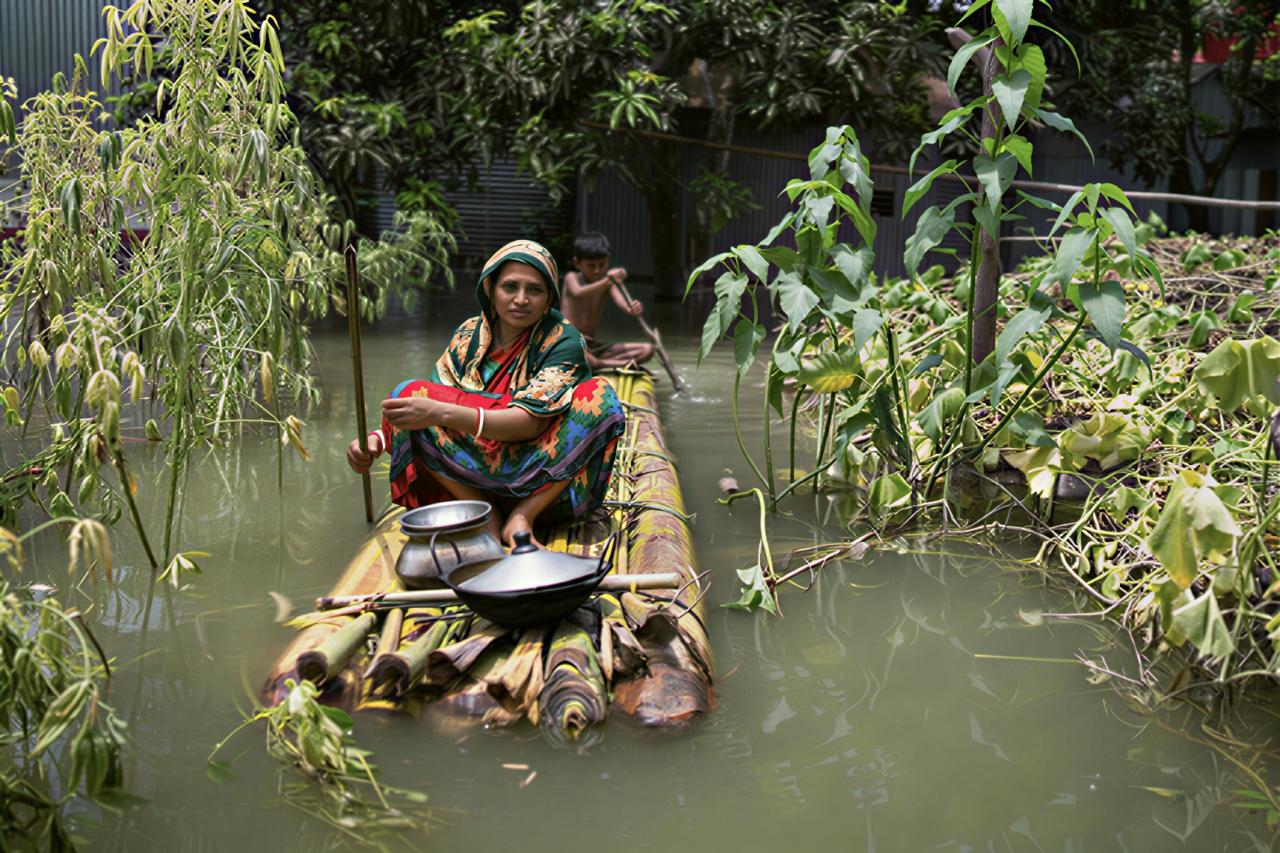
In many parts of the world, women rely on climate-sensitive work like agriculture to earn a living. Yet women farmers often do not have equal access to resources or information about climate adaptation measures. In turn, this translates into diminished productivity and wages and increased exposure and vulnerability to climate impacts.
Climate change can also reduce access to education. Girls are often the first to be pulled out of school after climate impacts cause families to struggle with limited resources or an increased demand for unpaid care work. Similarly, increasingly frequent extreme weather events can raise women’s share of household responsibilities, forcing them to exit the labour market. Some estimates show that climate change will push up to 158 million more women and girls into poverty by 2050.
Women’s health is also negatively affected by climate change, especially in countries where gender disparities in access to healthcare already exist. Women are at increased risk of heat-related deaths and are especially vulnerable during pregnancy, when rising heat, air pollution and food and water insecurity can lead to birth complications.
How does Gender Equality Strengthen Climate Action?
For climate policies and solutions to be effective, they must consider women’s needs and promote gender equality.
In agriculture, supporting women’s access to resources and information builds climate resilience and reduces climate impacts on households and communities. For example, closing gender gaps in agriculture could increase global gross domestic product by nearly $1 trillion and lower the number of people affected by food insecurity by 45 million.
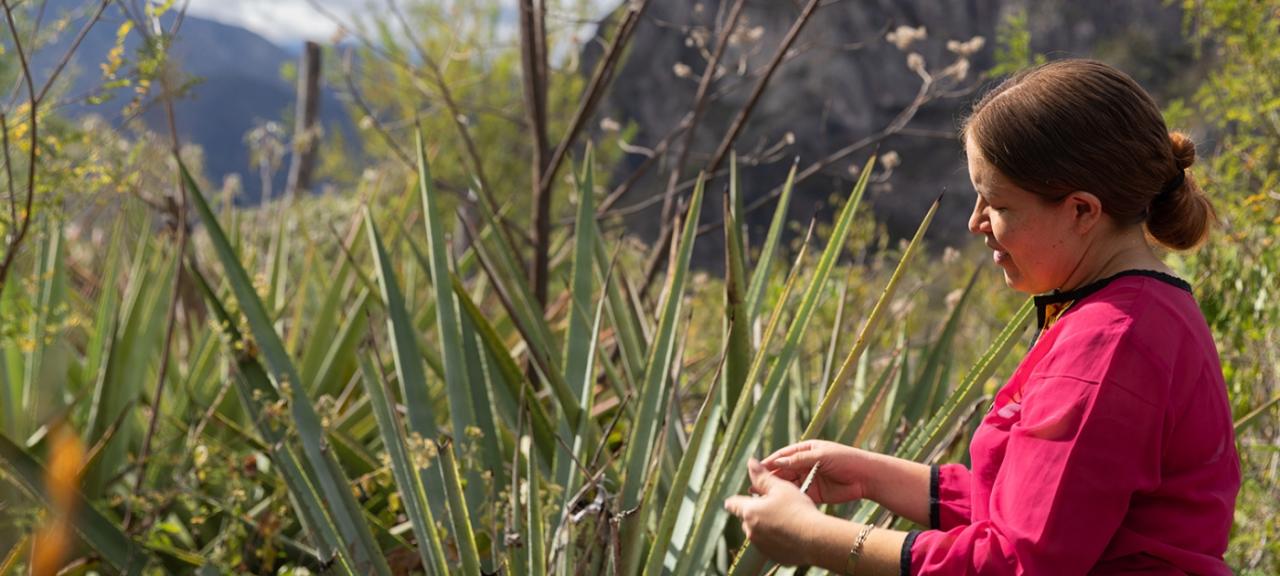
Moreover, women’s local knowledge of sustainable resource management and their community leadership play a key role in tackling and adapting to climate change. Ensuring that women, especially Indigenous women, have greater participation in forest management leads to more effective and lasting solutions for deforestation. Indigenous women are championing conservation efforts through ancestral practices that build resilience, such as preserving biodiversity and seed varieties or using natural techniques to boost soil fertility.
What are some of the Challenges Limiting Gender-Responsive Climate Action?
When trying to consider gender in their climate plans, many countries struggle with a lack of gender-separated data. This makes it harder to understand how climate change affects women and men differently, and how specific measures benefit different groups. One emerging way to improve data collection and analysis is through artificial intelligence (AI). While AI-generated data has strong potential to identify and address gender gaps, it also carries the risk of perpetuating existing biases. Ensuring that AI systems are inclusive and transparent is therefore essential.
There are also persistent barriers restricting women’s access to climate finance. Funding strategies do not always include clear steps to ensure women can access and benefit from investments in climate action. Countries should expand access to high-quality, debt-free climate finance grants that support vulnerable communities and promote broader gender equality and social inclusion.
In addition, women’s groups and civil society organizations are often underrepresented in climate policy development. Creating partnerships with these groups can help close this gap, build skills and raise public awareness of national climate priorities. These organizations can also support women’s leadership by addressing social norms that limit their participation in climate action.
In many countries, Indigenous women’s knowledge is not always fully recognised or preserved despite playing a crucial role in climate solutions. Strengthening efforts to protect and apply this knowledge can make climate action more locally relevant and effective.
Finally, weak coordination across ministries and inconsistent policies can make it more difficult to consider gender in climate action. Improving collaboration between ministries and investing in institutions ensure that climate action works for both women and men.
How is the UN System Supporting Countries to Include Gender in their Climate Actions?
The Climate Promise is the UN’s flagship initiative supporting countries to design and implement their national climate pledges in alignment with the Paris Agreement goals. Climate Promise works with countries in strengthening the quality and investability of their pledges, and accelerating their implementation to drive sustainable development.
Under UN Resident Coordinators’ convening leadership and the UN Development Programme (UNDP)’s technical leadership, over 100 developing countries are updating their climate commitments. Of the new commitments submitted, over 90 per cent have incorporated gender equality and social inclusion considerations. The UN’s support used a range of key entry points, from improving institutional coordination to facilitating women’s access to finance and supporting their leadership in climate action.
Dive into other UN country efforts to incorporate gender equality:
- For the first time, Cambodia’s updated climate commitment includes social services and protection as a means to strengthen the climate resilience of the most vulnerable. Gender equality was already a key component of Cambodia’s previous climate pledge, and the UN worked with the country in expanding social inclusion by engaging Indigenous communities, people with disabilities and youth.
- Ahead of the commitment cycle, the UN developed a climate strategy in the Dominican Republic that ensured early engagement of all UN agencies beyond the environmental sector, ensuring that women’s rights and equality were considered. This strategy also accounted for gender equality, youth and human rights through stakeholder consultations and national workshops.
- This bottom-up approach with local communities was also seen in Liberia, where the UN facilitated “Children, Youth and Gender Climate Dialogues” to embed child protection, youth empowerment and gender equality in the country’s climate objectives.
Learn more about how countries are leading, in the NDC Insights Series.