
How Thailand is Reforming the Seafood Industry to Prevent Exploitation
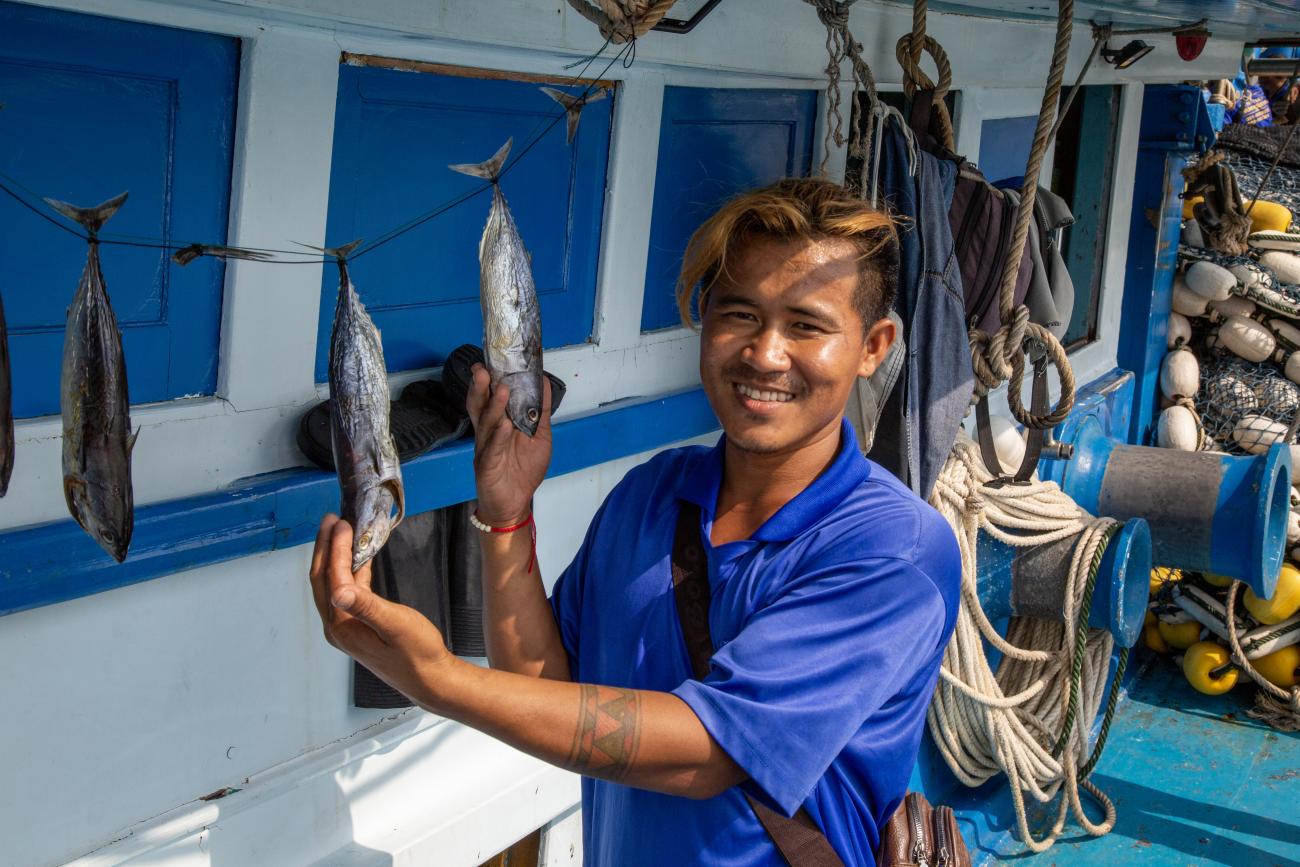
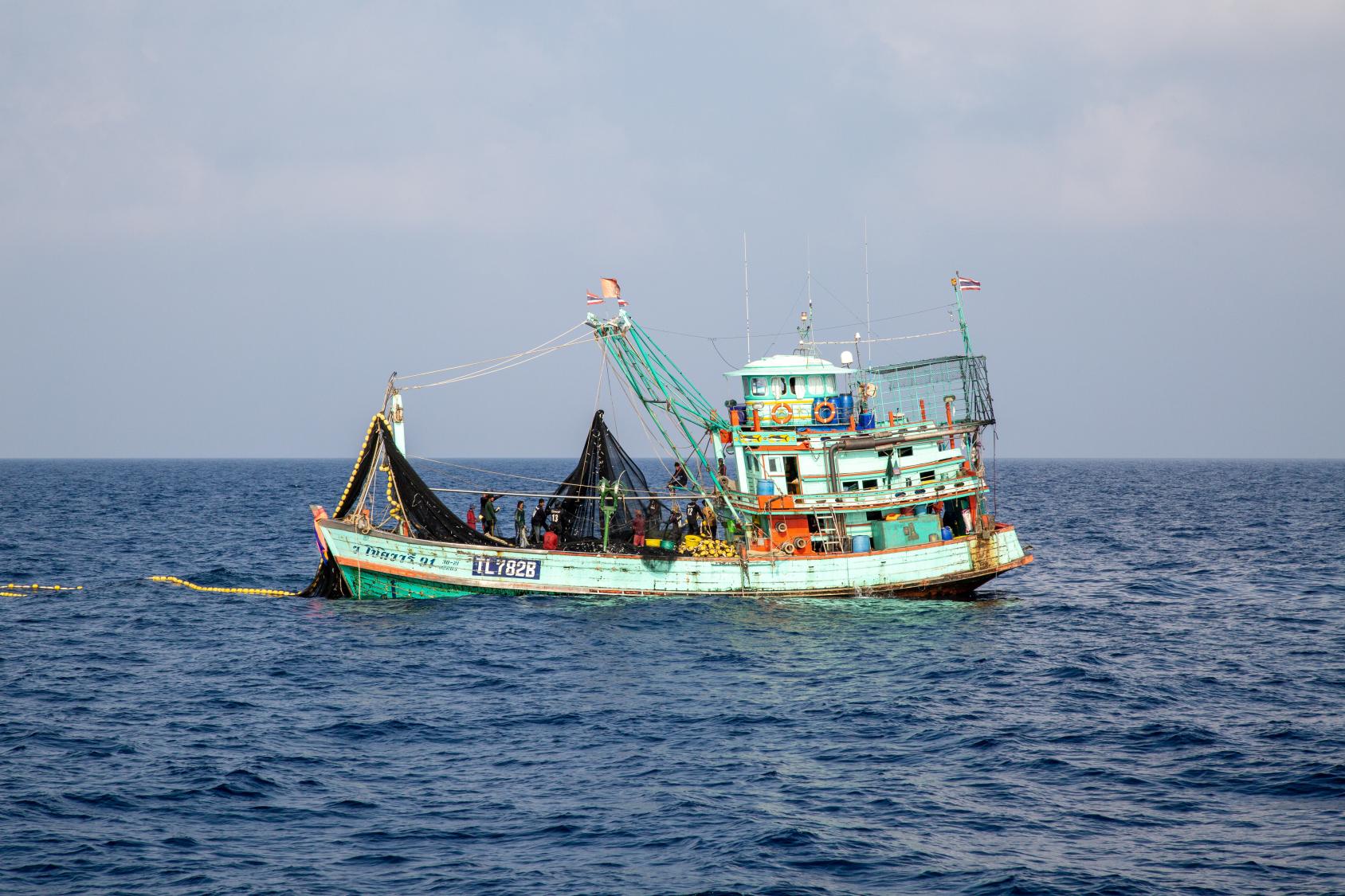
Every day, as dawn breaks, hundreds of fishing vessels leave Thailand’s ports for days at sea. For the thousands of migrant fishers who contribute to this industry, and the workers who process and package the catch onshore, the distance from port has meant distance from safety and protection.
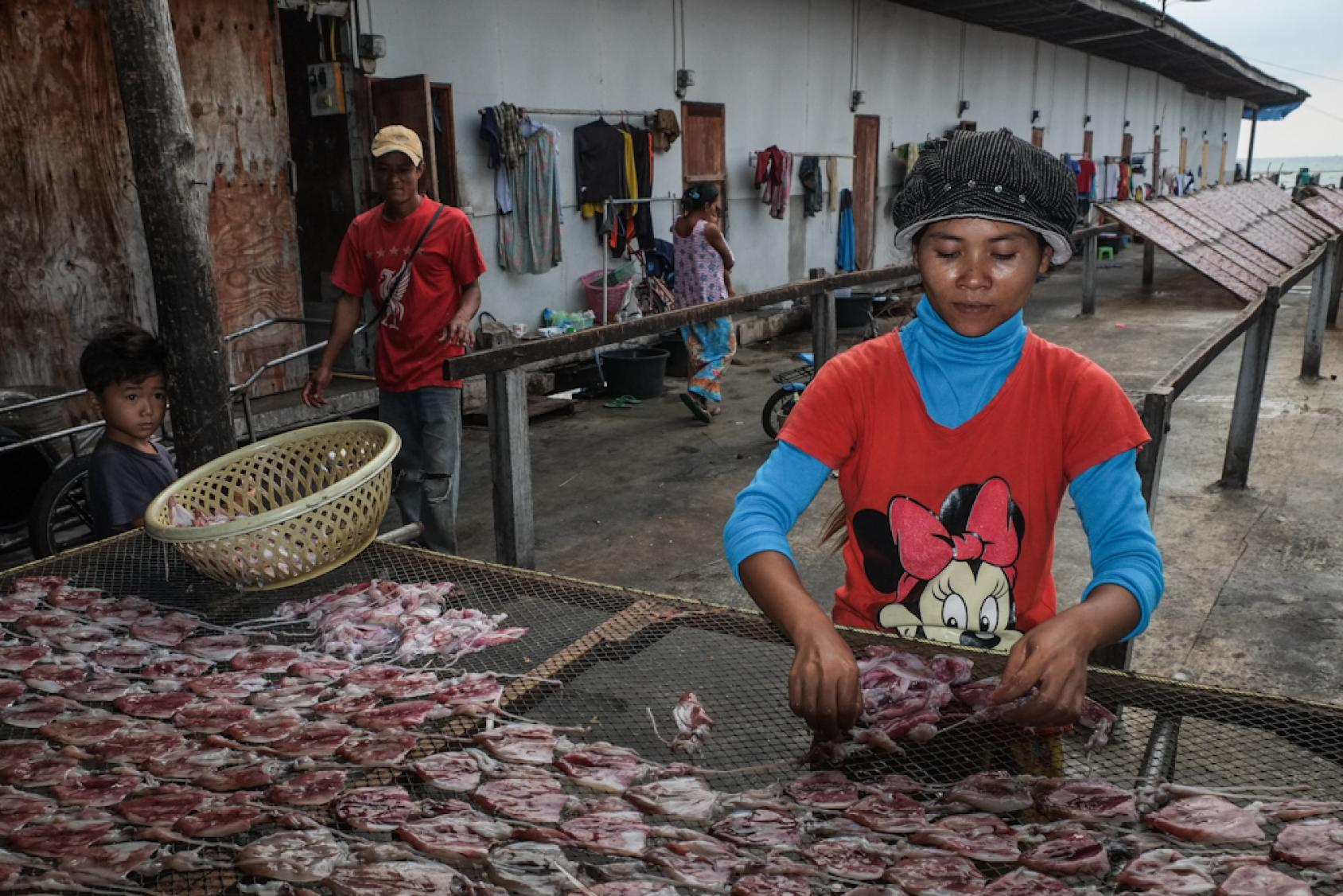
Thailand’s seafood sector is a vital part of the country’s economy and supports the livelihoods of many households. It is also a cornerstone of the global supply chain and contributes to a secure food system. But behind the products on supermarket shelves is a workforce, dominated by migrants, that faces serious risks: unpaid or underpaid wages, forced labour, limited access to social protection and limited feedback mechanisms. Migrant workers’ work permits are often tied to a single employer, which can discourage them from reporting unsafe working conditions for fear of losing their jobs or facing other retaliation. Also, many migrant workers do not speak Thai, leaving them isolated and unable to access services or navigate any feedback systems in place. They are also often unaware of their rights and available services, even after settling into their host communities.
How are Fishers and Seafood Workers Supported?
Ship to Shore Rights (S2SR) is a multi-country, multi-agency UN initiative designed to change this reality by providing end-to-end protection for migrant workers in the seafood industry, from recruitment, through work at sea or on the factory floor, to return and reintegration at home.
The programme brings together UN agencies, including the International Labour Organization (ILO), the International Organization for Migration (IOM) and the Food and Agriculture Organization (FAO), government authorities, trade unions, civil society and the private sector to prevent labour exploitation, combat human trafficking and strengthen access to justice and services. Its approach combines policy support, capacity building and provision of information and services to ensure that protections are not just on paper but reach workers in real life.
Making Social Justice a Priority
The initiative first began in Thailand in 2016. As one of the world’s major seafood exporters and a regional hub for migrant labour, Thailand became a proving ground for transforming practices.
Thailand is the first and only country in Asia to ratify both the Work in Fishing Convention (Convention No. 188), which sets minimum standards for working conditions, safety, health and welfare of fishers, and the Protocol of 2014 to the Forced Labour Convention (Protocol No. 29), which strengthens measures to prevent forced labour and ensure access to relevant support.
The impact of these commitments is already visible in communities. International standards have been incorporated into national law, inspection systems have been reinforced and new mechanisms have been introduced to better protect workers’ rights. This change is visible across the region.
One of the most tangible achievements of the programme is the establishment of Migrant Worker Resource Centres (MRCs). In the last five years, 28 MRCs have been set up in seven countries: Cambodia, Indonesia, Lao PDR, Malaysia, Myanmar, Thailand and Viet Nam. They have provided support services, including counselling, psychosocial support, legal aid, outreach, pre-migration training and return and reintegration services to more than 240,000 migrant workers and families. This initiative has targeted programmes for vulnerable members of the community, including migrant women, people with disabilities, ethnic minorities, fishers and seafood processing workers. As a result, workers are better informed about their rights, more aware of available services and feel more empowered to advocate for themselves.
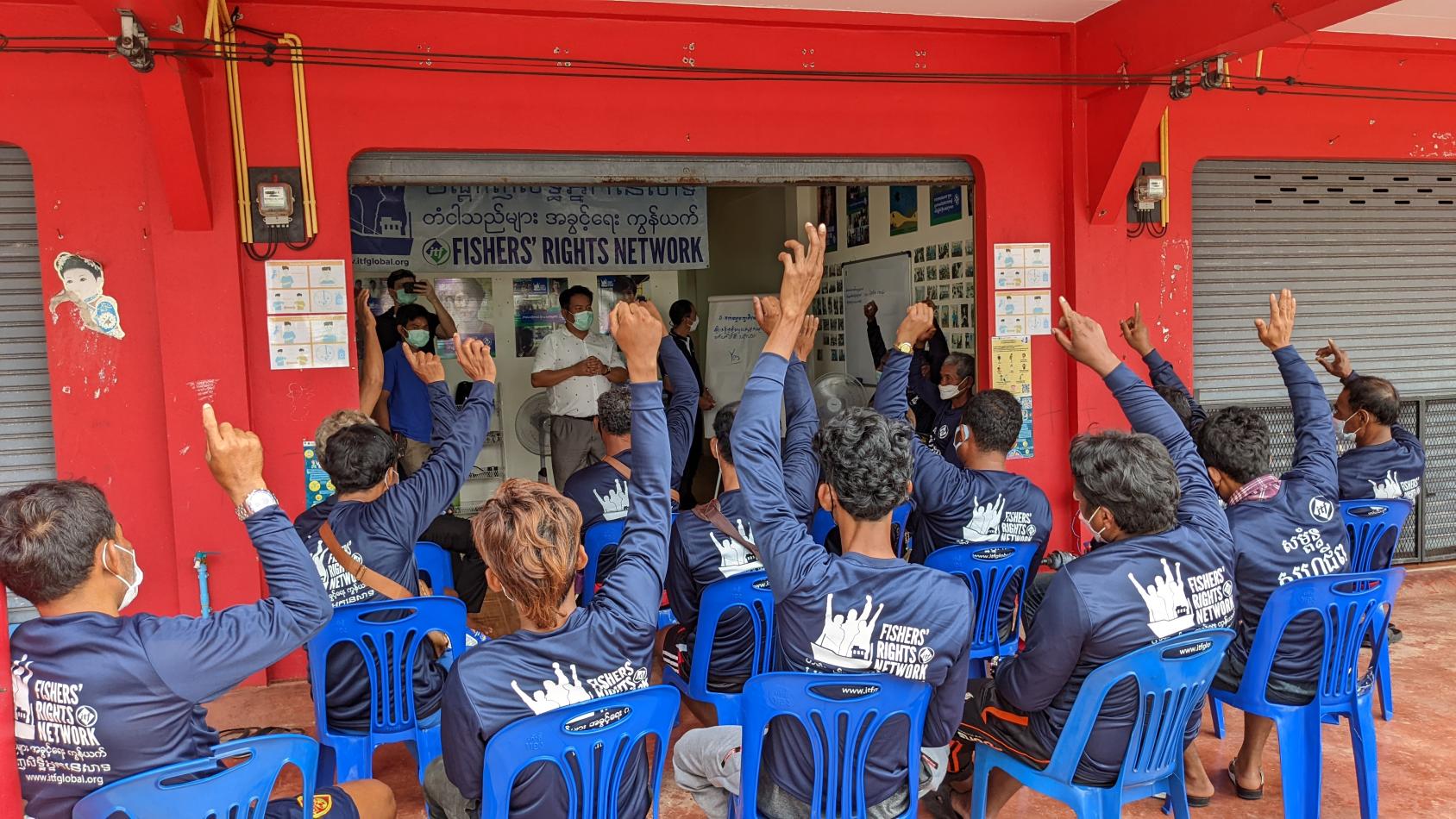
Workers’ organizations, supported by S2SR, have played an important role in this transformation. Through trade unions and worker‑led networks, the programme supported fishers in becoming more organized and provided opportunities to bargain collectively, better understand their rights and resolve grievances. Through this support, more migrant workers feel confident using formal feedback systems, seeking fair treatment at work and getting adequate support to tackle unsafe workplace conditions.
Real-life Results for Workers
For many workers, the biggest change has been finally getting the wages they were owed. In Ranong province, 11 migrant fishers from Myanmar who worked months without pay received their full wages following a request submitted with support from ILO’s partners.
“We stood up together and finally got justice… This shows we can stop vessel owners from cheating us,” says Aung Myo Oo, the leader of a worker organization.
Across the Gulf of Thailand, in Trat province, a group of Cambodian fishers in a similar situation learned about their legal rights. They, too, leveraged this support to engage their employer and receive proper compensation for their efforts.
“We learned we have strength in numbers when we stand together,” they share.
In Phang Nga, two Myanmar fishers who faced wage loss and physical abuse received adequate support, showing how transformed feedback systems can change lives.
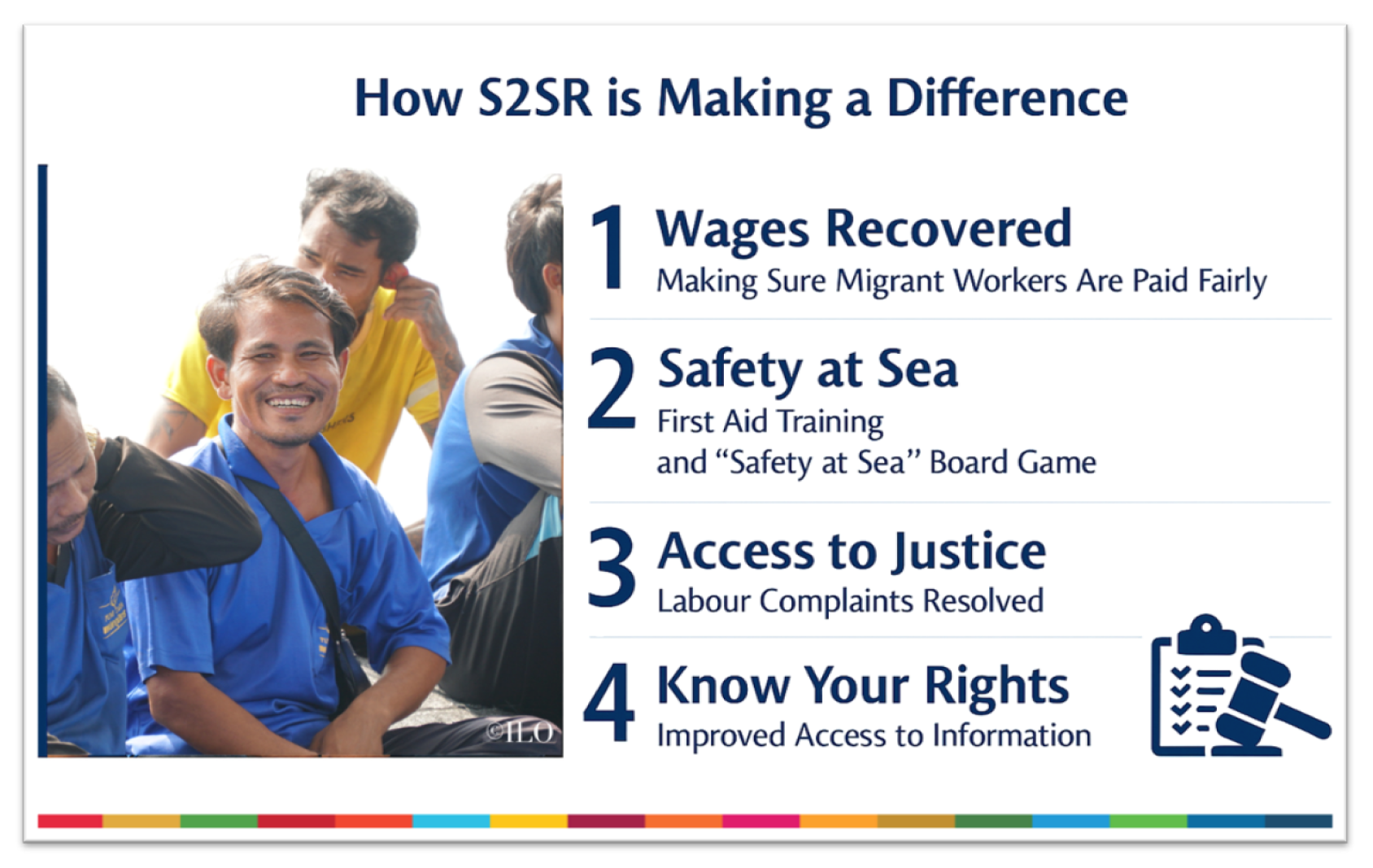
Sharing clear, simple information also made a big difference. At ports and in local communities, S2SR’s civil society and worker organization partners offer guidance in languages migrant workers understand, including on contract issues, pay, complaint cases, workers’ compensation claims and other labour rights.
This kind of support was crucial when 17 migrants from Myanmar were detained near the border. With support from a Migrant Worker Resource Centre, they received proper guidance and support to return home safely.
Shared Expertise is Shared Progress
These impacts are possible due to the close collaboration between partners and across the UN, with agencies bringing complementary expertise.
ILO leads the initiative, helping governments, workers, employers and civil society strengthen labour standards, inspections, complaint mechanisms, access to services and social dialogue in the fishing and seafood processing sectors.
IOM focuses on addressing human trafficking and return and reintegration issues for migrants. This includes victim identification and referrals to services.
FAO contributes technical expertise on fisheries governance, helping prevent illegal, unreported and unregulated fishing while promoting sustainable fishing practices and supply chains.
At the national level, partnerships with government institutions, the private sector, civil society and workers’ organizations ensure protection is institutionalised in law, policy and practice.
A Journey from National to Regional Impact
Ship to Shore Rights is now in its next phase, focusing on consolidating progress in Thailand while strengthening cooperation across the region. Lessons from efforts to promote responsible business conduct and worker voice and participation in the seafood sector are now being shared in several countries.
For migrant fishers and processing workers in Thailand, the initiative represents a concrete step towards safe migration, decent work and access to justice. As United Nations Secretary-General António Guterres has underscored, “Migration is a powerful driver of progress, lifting economies, connecting cultures and benefiting countries of origin and destination alike.” Realising that promise, however, requires that rights travel with workers wherever their livelihoods take them. On the World Day of Social Justice, the S2SR programme affirms a simple principle: social justice, protections and accountability must apply to all workers, including migrants whose work carries them far from home and even from land. It is a reminder that even at sea, rights should never be out of reach.
Please visit the UN team's website for more information about the UN's work in Thailand.




Latest news and updates


