

Uganda’s Micro-Entrepreneurs Grow Their Agribusinesses
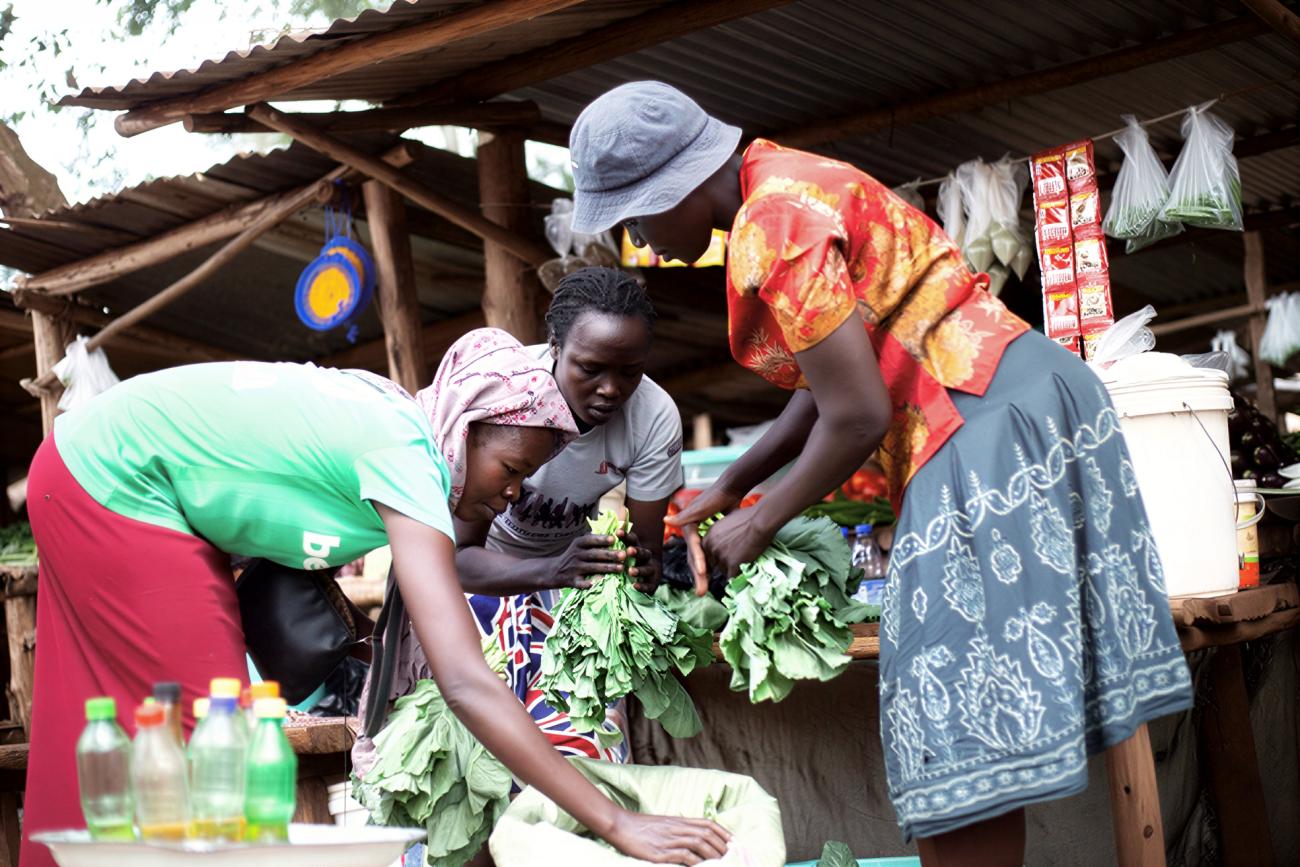
Uganda’s micro-entrepreneurs form the backbone of the country’s economy, yet without evidence of their daily activities such as what they sell, how much and to whom, many remain invisible to the formal financial system. These informal and family-owned businesses lack the financial data that would show lenders how their enterprises perform. This trend is particularly true for small agribusinesses who often struggle to survive.
But it is not all grim. Some entrepreneurs are adopting simple digital tools to record their sales, expenses and stock or to develop bankable business plans, creating the one thing banks and fintechs have long struggled to find at this level: usable data.
Building Digital Footprints
A multi-pronged partnership is working to support agribusiness entrepreneurs, with a focus on those led by women, youth and refugees, not only survive shocks but also expand their businesses, create jobs and transform their communities. By joining forces and expertise in 15 Ugandan districts in refugee-hosting communities and the Karamoja subregion in Uganda, the World Food Programme (WFP) and United Nations Capital Development Fund (UNCDF) are aiming to unveil their potential and turn them into investable businesses.
Through the Agriculture Market Support (AMS) programme, a collaboration between WFP and the Mastercard Foundation, rural entrepreneurs are strengthening their business skills. These efforts are augmented by the unique approach and mandate of UNCDF, one that is to mobilise and catalyse capital flows for impactful investments in high-risk markets. By providing business development services, access to digital tools, seed grants and working capital loans, UNCDF, via its local partners Safe Plan Uganda, the Innovation Village, Quest Digital Finance and Asigma, is supporting these micro-entrepreneurs to digitise their operations, build business skills and become visible to financial services providers.
When small businesses begin using digital payment channels, mobile money or simple record-keeping apps, every sale, repayment and expense leaves a trace. Over time, these digital footprints build a rich transaction history that shows how much the business earns, how regularly it receives income and how reliably it meets its obligations.
Today, alternative credit-scoring algorithms can analyse this data to estimate the enterprise’s repayment capacity. This is critical to help them prepare for accessing formal loans, laying the groundwork not just to survive the next shock, but to invest, grow and create jobs.

From Survival to Enterprise
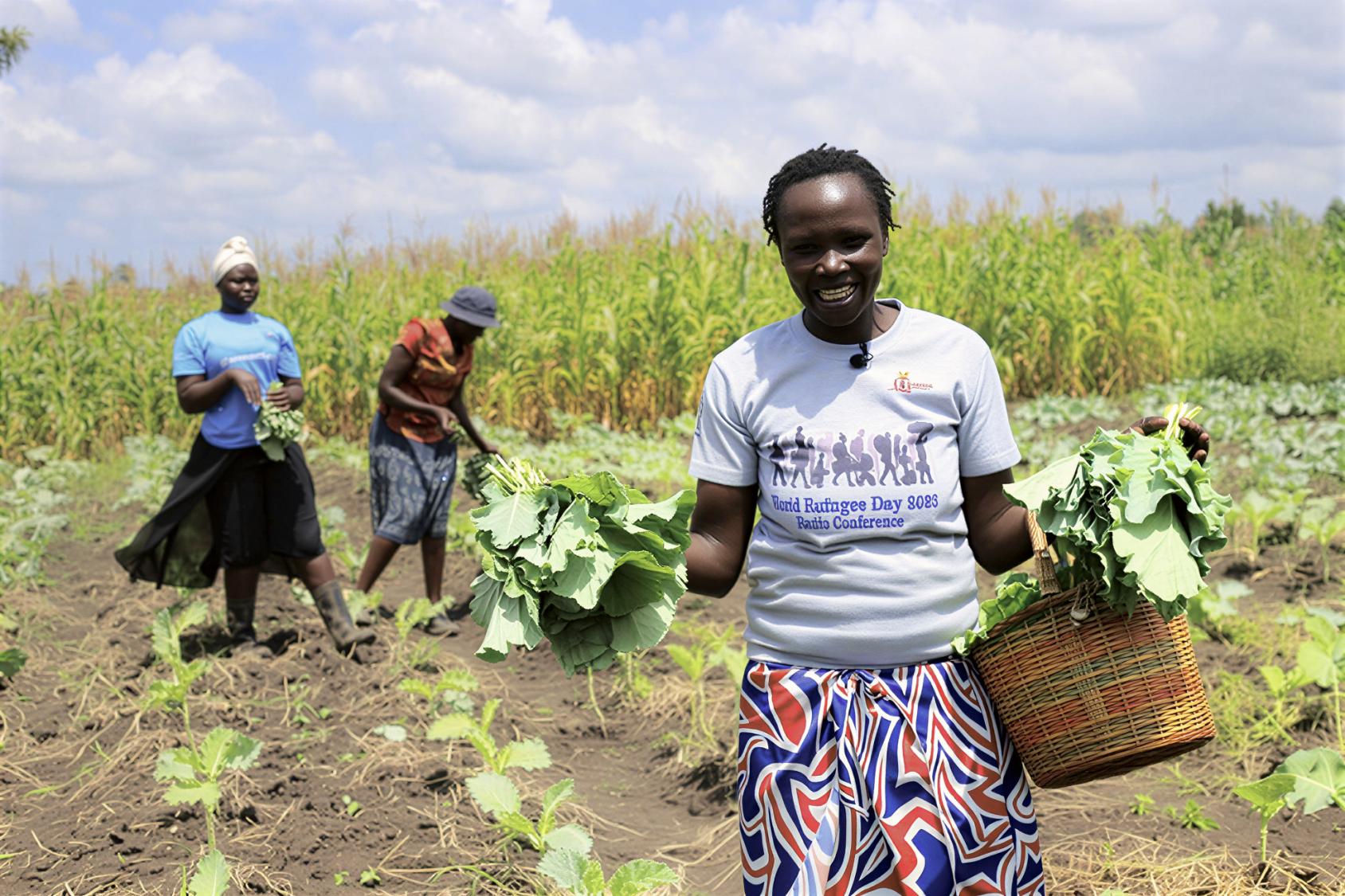
In the Kiryandongo refugee settlement, about a five-hour drive from Kampala, Jane Sadia, a once successful teacher who was forced to flee South Sudan, recalls arriving with nothing but her determination to rebuild her life. Today, she runs a small agribusiness and helps lead a youth group that grows vegetables, rears livestock and sells produce in the settlement and nearby markets.
Sadia’s group is one of the businesses that have successfully completed WFP’s skills training, learning how to grow, store and sell more effectively, as well as how to turn a harvest into a sustainable business to ensure food security for her and her community.
UNCDF complements this by supporting businesses like Sadia’s to register, strengthen record-keeping and become investment ready. Between July and August 2025, over 5,000 entrepreneurs took part in these intensive bootcamps, receiving practical business skills training on topics such as loan readiness, business modelling, market analysis, record-keeping, cashflow management and digital payments. Participants then put their ideas on paper and developed their first business plans in agrifood, transport services and green enterprises.
Sadia and her group have received business planning and graduation preparation support, successfully developing bankable business plans. This included simple, practical sessions on understanding their costs, setting prices and maintaining basic business records. They were also guided on how to organize their ideas into a clear, cohesive business plan they can confidently present to a financial institution.
Her growing confidence and practical skills have transformed the way she and her group manage their business. “We used to write things in exercise books and sometimes forget,” she continued. “Through the training, I learned how to keep proper records and use simple digital tools. It makes me more confident when I talk to financial institutions.”
The transformation in mindset extends beyond individual groups, reflecting a broader change in the way small agribusinesses approach their work. Local organizations have been key in supporting this shift, providing training, mentorship and guidance to help farmers and traders see and harness their bigger potential.
Data that Lenders can Trust
To move from informal operations to investable businesses, entrepreneurs need a financial track record that lenders can trust. That is where digital tools can make a real difference. With a catalytic grant from UNCDF, fintech partner Quest Digital Finance is customising its digital platform, QBcore, so small agribusinesses can register their enterprises, keep digital records, receive payments and eventually apply for loans from their phones.
In Kiryandongo District, an initial group of around 30 micro and small businesses, mostly women, youth and refugee-led, recently tested the system. The verdict: the platform fits how they do business, but access to mobile devices remains a challenge. Only a few participants own smartphones, so most of the activity takes place on phones that do not require internet access. This works well for basic functions like checking balances, but is less suited to more complex functions, such as stock management.
In practice, most of the entrepreneurs operate in groups. Shared devices and group accounts therefore help bridge the digital divide while still generating the reliable data lenders need.
Driving Systemic Change
Beyond individual entrepreneurs, the partnership is envisioned to shift the wider system, including government entities, financial institutions, telecoms and local groups, towards more inclusive markets. Evidence from the field will inform policy discussions on digital inclusion, gender-responsive finance and alternative data for credit scoring, while fintech pilots are expected to embed these tools beyond the project cycle.
With a goal of supporting up to 20,000 agribusiness entrepreneurs by November 2026, this partnership aims to demonstrate how productive digital credit can be especially empowering for women, youth and refugees who are working hard to build a more secure and dignified future for their families.
This article was adapted from a story originally published by UNCDF. Read more about the UN's work in Uganda on the UN team's website.




Latest news and updates


