A Voice That Matters: Awaaz Helps Restore Stolen Lifeline in Rural Afghanistan
In a time of uncertainty, a woman’s courage and a single phone call helped an entire group of vulnerable families reclaim their right to humanitarian assistance.
When Fatima (name changed to maintain confidentiality), a resident of a remote village in western Afghanistan, received urgent cash assistance in March this year, it felt like a turning point. Like thousands of others across the country, she was struggling to make ends meet amidst growing economic pressures. The support, about 14,700 AFN or $200, provided a vital lifeline.
But within a day, that lifeline was taken from her.
The Problem: Misuse of Power in Times of Need
Fatima was one of 23 people in her community who received the cash assistance as part of a broader humanitarian response. However, just a day after the disbursement, two self-appointed community focal points confronted the recipients. Claiming to “redistribute” the funds across the wider village, they forcibly collected the entire amount from each beneficiary, ignoring eligibility criteria and the targeted nature of the aid.
For Fatima and others, this was not just a financial loss. It was a loss of dignity and hope.
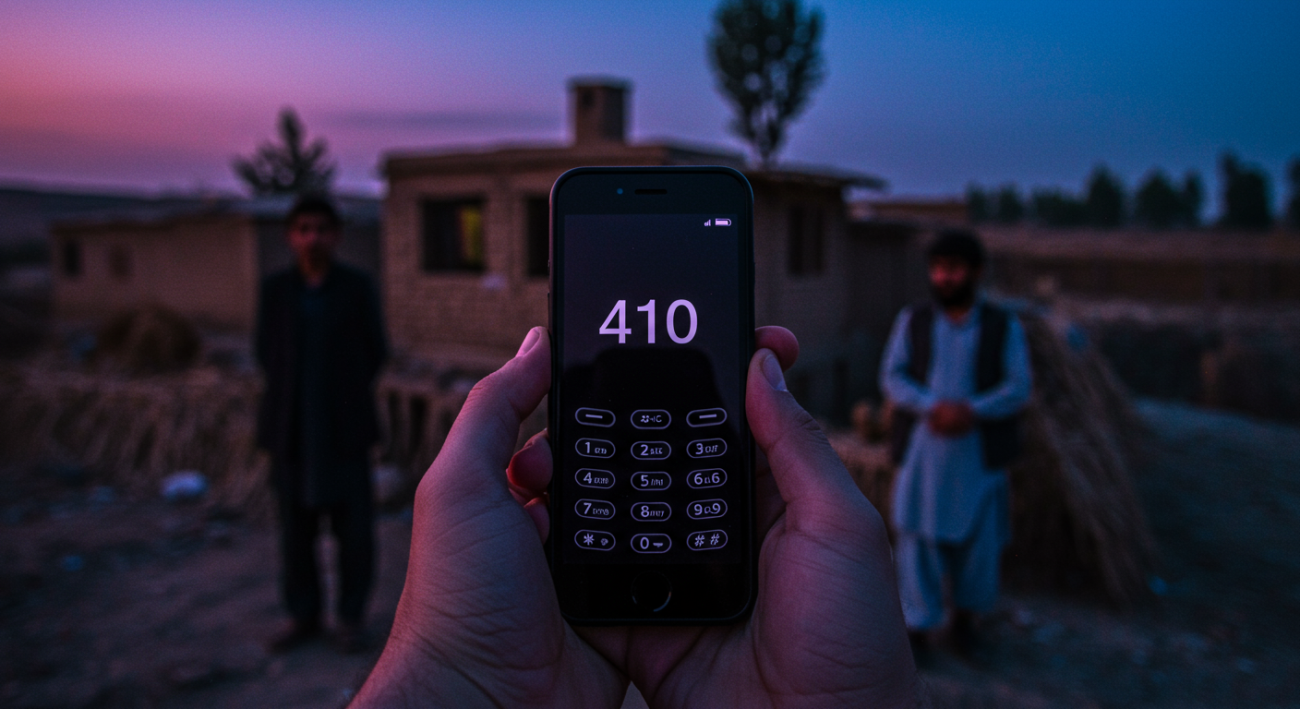
Fearing retaliation and deeply concerned for her safety, Fatima chose a path many others might not have dared: she contacted Awaaz Afghanistan, a toll-free, confidential hotline that people could call to provide feedback and report on issues affecting humanitarian assistance. Several UN entities, including the UN Office for Project Services (UNOPS), the International Organization for Migration (IOM), the UN Development Programme (UNDP), the UN High Commissioner for Refugees (UNHCR), the UN Population Fund (UNFPA), UN Women and the World Food Programme (WFP), support the platform. The hotline can operate seven days a week with multilingual female and male agents, leveraging generous funding from the European Union (EU), the Government of Japan and the Afghanistan Humanitarian Fund (AHF).
Awaaz Responds: Quiet Protection, Swift Action
Honouring Fatima’s request for complete anonymity, the Awaaz team documented the case in detail and swiftly referred it to the responsible humanitarian organization for follow-up. Within days, a field team was deployed to the area to investigate the claims.
Their findings confirmed Fatima’s story.
Less than ten days after her call, the organization returned to the village, addressed the misconduct and recovered the full amount of cash assistance. Each affected household, including Fatima’s, received its rightful share, restoring not only financial support but also a critical sense of fairness and trust.
“Awaaz exists to ensure that no one feels voiceless when things go wrong. In every call, there is a story of courage, and a responsibility to act,” said Edrees Omed, Awaaz Project Manager. “This case is a powerful reminder that when people speak, and when humanitarian actors listen, meaningful protection and justice are possible, even in the most remote corners of Afghanistan.”
Beyond a Hotline: A Bridge of Trust
Awaaz Afghanistan remains the country’s first and only nationwide humanitarian call centre. With over 5,500,000 calls handled since 2018 according to its dashboard, Awaaz empowers communities to speak up, access information and shape the support they receive, promoting safer, more accountable programming for those who need it most.
Fatima’s story illustrates the platform’s broader impact: it is not just about receiving a complaint. It’s about restoring trust, rights and resilience one call at a time.
A Call That Changed Everything
Today, Fatima has her cash assistance back. But more importantly, she knows her voice mattered.
For thousands of others like her, Awaaz stands ready to listen, respond and protect.
This story was originally published on the UN in Afghanistan team's website, and is now shared to coincide with International Anti-Corruption Day on 9 December 2025. The Day highlights the importance of integrity and transparency in fostering trust and sustainable development. The United Nations, together with partners worldwide, works to empower communities and individuals to identify and prevent corruption, ensuring that efforts contribute to resilience and progress for all.
Read more about the UN's work on the website of the UN in Afghanistan team.




Latest news and updates


