Timor-Leste’s ASEAN Journey: A Partnership Towards Sustainable Development
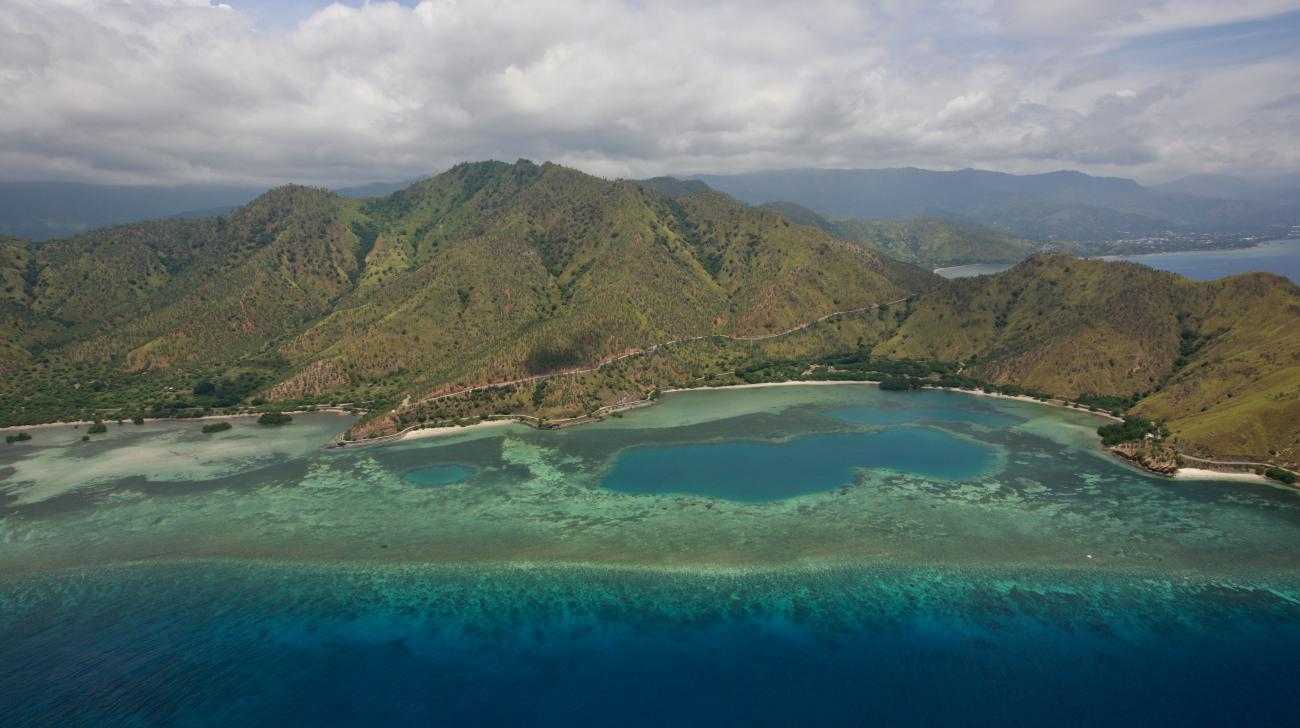
A Symbolic Full Circle
From peacekeeping to peacebuilding, from institution-building to regional collaboration, Timor-Leste’s membership in ASEAN, the Association of Southeast Asian Nations, an intergovernmental organization, marks the culmination of a journey defined by resilience, unity and international partnership.
For Timor-Leste, joining ASEAN opens new opportunities for trade, educational partnerships, easier movement of workers and deeper regional ties. For the Resident Coordinator’s Office (RCO), ASEAN membership reflects years of teamwork. Over two decades, UN agencies have collaborated alongside national partners to support regional integration, institutional growth and inclusive development.
“The UN’s role has been to support with connecting national ambition with regional standards. This has been a whole-of-Government and whole-of-society effort, and the UN family remains committed as Timor-Leste turns opportunity into outcomes for everyone,” said Funmi Balogun, UN Resident Coordinator in Timor-Leste.
Supporting Timor-Leste’s ASEAN Aspirations
The UN Country Team (UNCT) worked with six of the 11 ASEAN embassies in Timor-Leste (Indonesia, Malaysia, Brunei, Thailand, the Philippines and Singapore), which was key to the accession.
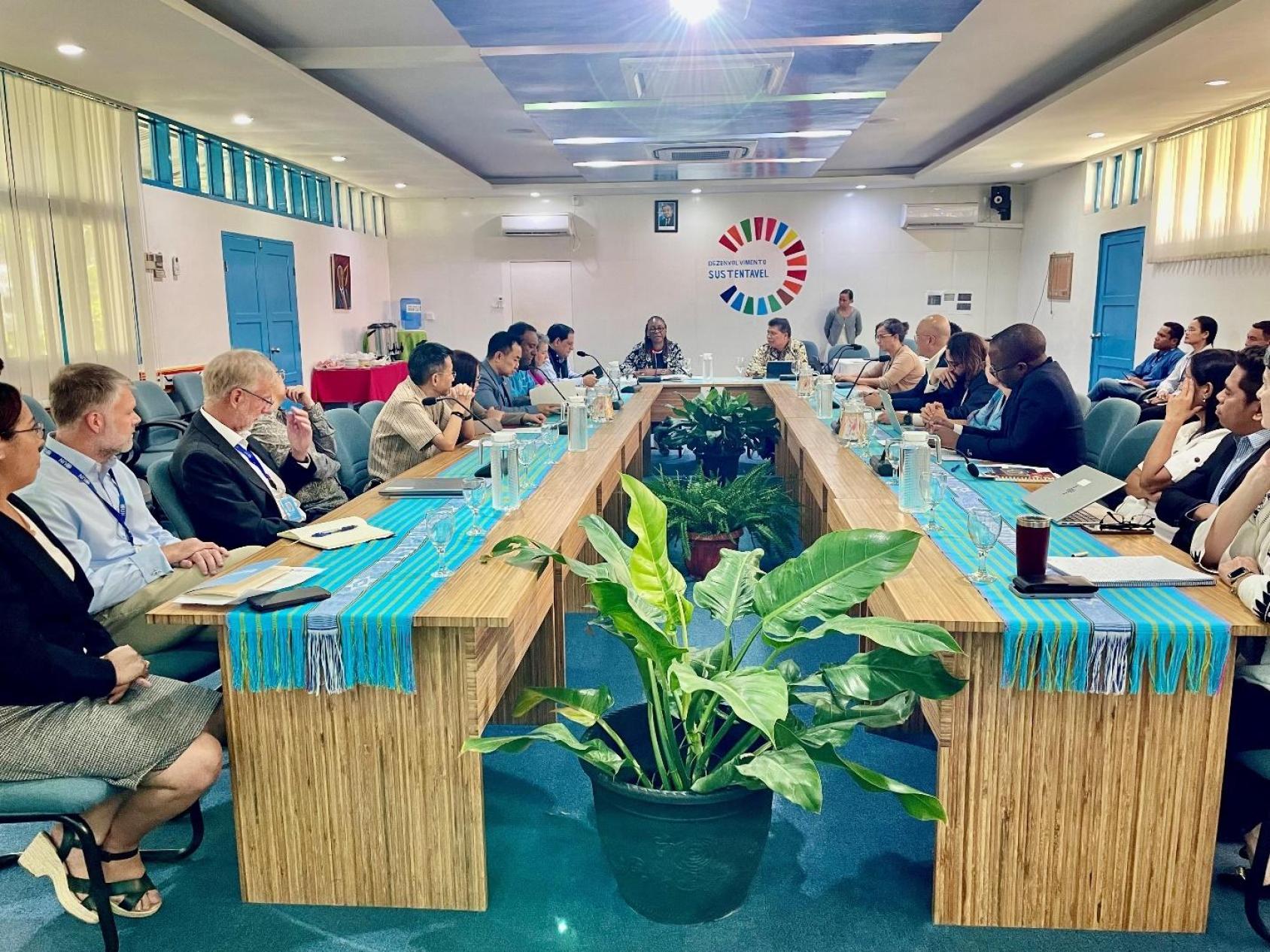
After the 14th ASEAN-UN Summit in October 2024, the Resident Coordinator led the UN team in organizing an ASEAN-UN Dialogue at the UN House in Dili.
ASEAN embassies and UN entities came together for an open discussion on how to work more closely and share ideas. The goal was clear: explore practical ways for ASEAN and the UN to support Timor-Leste in joining the organization by connecting its national priorities with ASEAN’s shared objectives.
This effort built on the ASEAN-UN Comprehensive Partnership, an agreement that is guided by the ASEAN-UN Plan of Action (2021-2025). Through this partnership, ASEAN and the UN collaborate on major priorities, including peace, economic stability and social inclusion, key goals for ASEAN’s Community Vision 2025 and the 2030 Agenda for Sustainable Development.
The RCO was positioned as a one-stop shop unifying UN agencies, Government partners and other stakeholders towards a common goal that leaves no one behind.
Aligning and Diversifying the Economy
Through an EU-funded project, the International Trade Centre (ITC) supported in offering practical guidance to Timorese stakeholders, who are now better able to handle complex trade negotiations and adapt reforms to meet ASEAN standards.
ITC’s work on institutional readiness and stakeholder engagement, under the leadership of Vice-Minister for ASEAN Affairs, Milena Rangel, has also been pivotal in aligning Timor-Leste’s legal frameworks with ASEAN requirements.
UN agencies are also collaborating to expand Timor-Leste’s economy by opening new opportunities. For example, the UN Development Programme (UNDP) links local innovators with regional partners through the ASEAN Blue Innovation Challenge, which highlights creative ideas in energy, environmental protection and livelihoods from Timorese startups working in blue ecosystems.
At the same time, UN Trade and Development (UNCTAD)’s 2025 eTrade Readiness Assessment outlines practical steps to improve ICT systems, logistics and digital skills. This lays the groundwork for a National E-Commerce Strategy that will make the country more competitive in the ASEAN market.
Promoting Women’s Empowerment
UN Women has ensured that ASEAN readiness reflects equality and inclusion. Through the ASEAN Women, Peace and Security Programme, it has worked with Parliament, justice and interior ministries and national forces to bring gender-sensitive practices into peace and security systems.
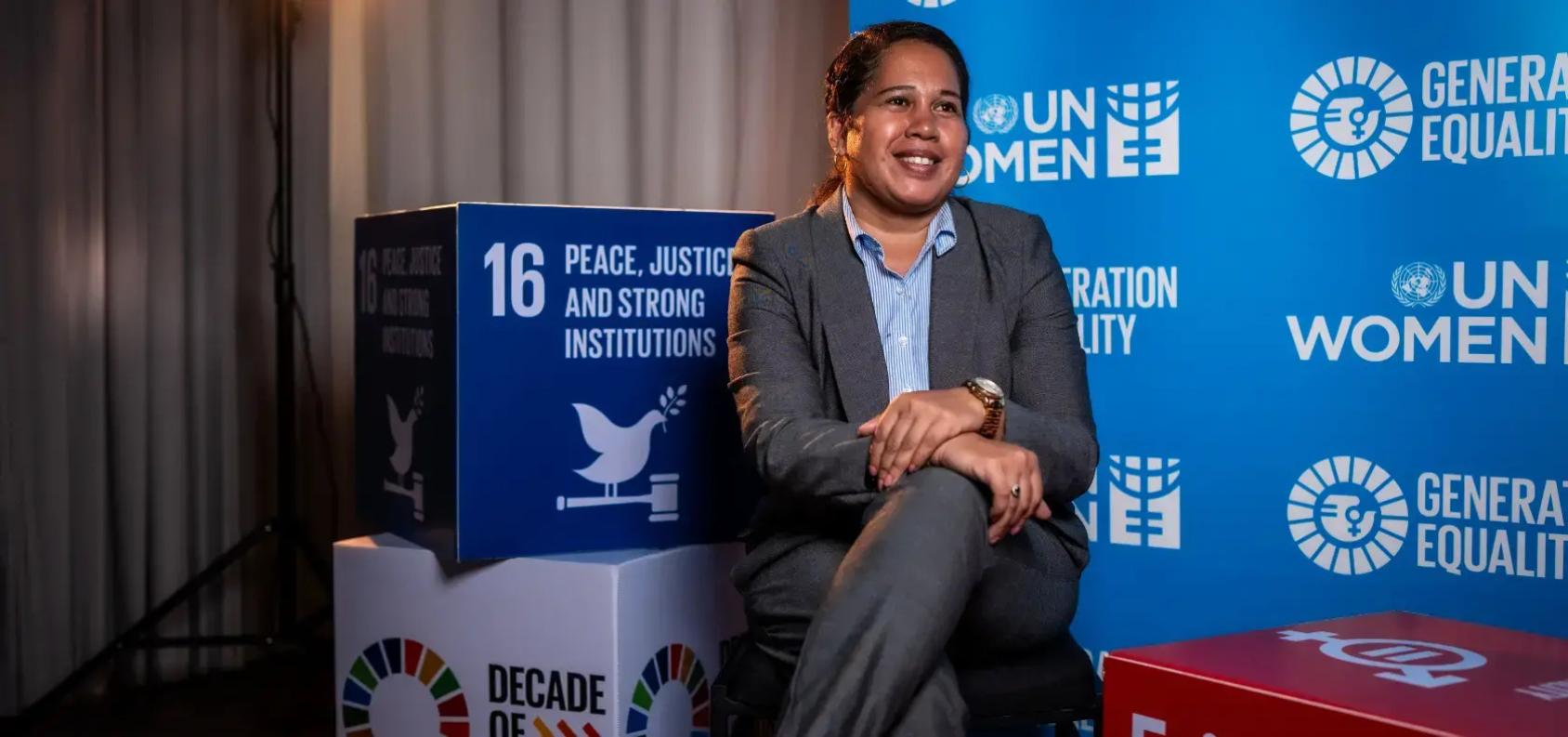
For Maria Fatima Martins, the Assistant Superintendent of the National Police, UN Women’s engagement with ASEAN has been transformative.
With technical support from UN Women within an ASEAN regional project, she has actively advocated for policies that have increased women’s participation in the force and decision-making processes.
“The most crucial element is addressing and actively changing deeply ingrained social norms and gender stereotypes within the police culture, as these often present the most significant barriers to women's advancement and participation, even when supportive policies are in place,” Maria says.
Mobility, Borders, Governance and Security
As ASEAN membership opens new paths for people and goods, the International Organization for Migration (IOM) is supporting the secure management of cross-border movements with the Migration Information and Data Analysis System. At a visit to border crossing points just weeks before Timor-Leste joined ASEAN, the Director General of Migration Services highlighted how investments in stronger border management counted towards membership.
In parallel, the International Labour Organization (ILO) works with the Government to strengthen employment policies and coordinate national labour standards with ASEAN frameworks.
From UNDP’s governance work to the UN Office on Drugs and Crime (UNODC)’s initiatives on crime prevention, the UN system has collaborated with stakeholders to reinforce the rule of law and public accountability.
Enhancing Educational and Cultural Links
The UN Educational, Scientific and Cultural Organization (UNESCO) and UN Children's Fund (UNICEF) have both deepened Timor-Leste’s participation in ASEAN education and culture guidelines. Through engagement in ASEAN+3 Senior Officials on Education meetings and Regional Learning Cities initiatives, the country has improved policy exchange and mutual recognition of qualifications.
UNICEF's support in advancing digital transformation has also had tangible impacts on children and educators, such as Filomena de Jesus Alves, a proud teacher in a rural village in the Liquica Municipality.
To help Filomena and hundreds of other teachers, the Ministry of Education, with support from UNICEF, trained educators on using ICT in education, such as saving documents and printing.
“I had never used a computer before. Besides using my smartphone for phone calls, I had not used any other form of technology before this training,” says Filomena, excited about the possibilities that ICT could bring to her classroom.

Improving Health Systems
Alongside economic and governance reforms, the World Health Organization (WHO)’s work on public health systems and emergency preparedness aligns Timor-Leste with regional standards. Meanwhile, the UN Population Fund (UNFPA)’s support for reproductive health, gender equality and demographic data influences key policy reforms. Together, these contributions ensure that ASEAN membership also strengthens national and social well-being.
Looking Ahead
Joining ASEAN is only the starting point. The UN and specifically ITC, UNDP and UNCTAD, with other partners, will support the Government in finalising and implementing its Post-Accession Strategy to translate commitments into progress.
This next chapter coincides closely with the UN Sustainable Development Cooperation Framework and Agenda 2030, so that Timor-Leste’s ASEAN journey continues to drive a sustainable future that leaves no Timorese behind.
Learn more about the UN's work in TImor-Leste here.




Latest news and updates


