UN System-wide Offer in Response to the Spillover Impacts of the Middle East
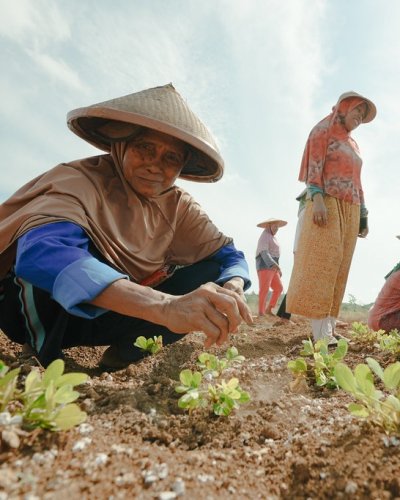
The Middle East crisis is generating spillover effects well beyond the countries directly affected by conflict, transmitting the shock through energy, food and fertilizer, trade and transport, tourism, investment and remittance channels. These pressures are most acute in countries with high import dependence, narrow fiscal space, limited reserves or pre-existing fragility, and risk accelerating backsliding on the Sustainable Development Goals (SDGs) through higher prices, slower growth, deeper inequality and weaker resilience. Slower economic growth, declining private sector activity, job losses, reduced incomes and increasing informality are among the most immediate impacts experienced by households.
The UN development system is well placed to address the spillover effects of the crisis because it combines country presence, normative expertise, policy advice, convening power and operational capacity. Through Resident Coordinators (RCs) and UNCTs, the system can help governments assess the specific channels through which the crisis is affecting their economies and populations, identify the most vulnerable groups, and align support with national development priorities and UN Sustainable Development Cooperation Frameworks.
This document outlines the UN system-wide offer in response to the spillover impacts of the Middle East crisis and is organised around six common service lines. Together, they help countries move from understanding the nature of spillover risks to designing, financing and delivering practical responses — and provide a common frame for RCs and UNCTs to match country demand with the capacities of UN entities, ensuring support is coordinated, time-bound and focused on the changes countries seek.