The ABCs of Education: Three Things to Know
Across the world, education is a passport to a better future. Yet millions of students still face barriers that limit their right to learn. Lack of funding, climate shocks, digital divides and ongoing conflicts continue to disrupt classrooms and widen inequalities. The International Day of Education is a reminder that learning does not happen by chance; it requires sustained investment, strong policies and inclusive systems. In classrooms and communities around the world, UN teams are working side by side with governments and partners to strengthen education policies, support teachers, reach learners and invest for the long term. Here are three snapshots of where global education stands today and what still lies ahead.
Access to Quality Education: Where does the World Stand?
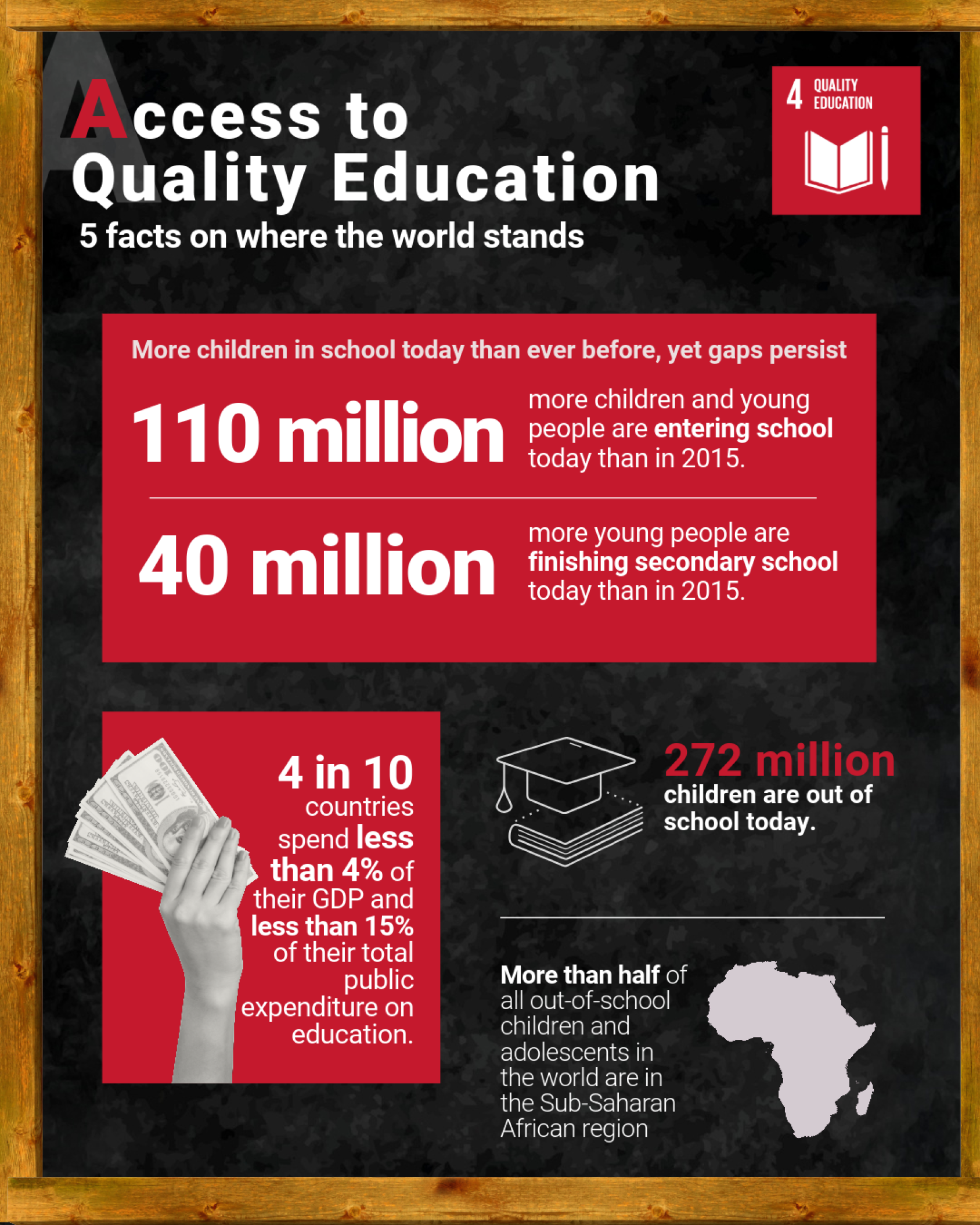
In the last decade, the world has made tangible progress in expanding access to quality education. This evidence is clear in rising enrollment rates and completion rates. However, despite education spending increasing steadily, progress is uneven. Countries face an annual shortfall of almost $100 billion per year to achieve SDG 4 by 2030. Further, cuts to education aid are expected to hit low-income countries the hardest, with the risk of leaving vulnerable youth behind.
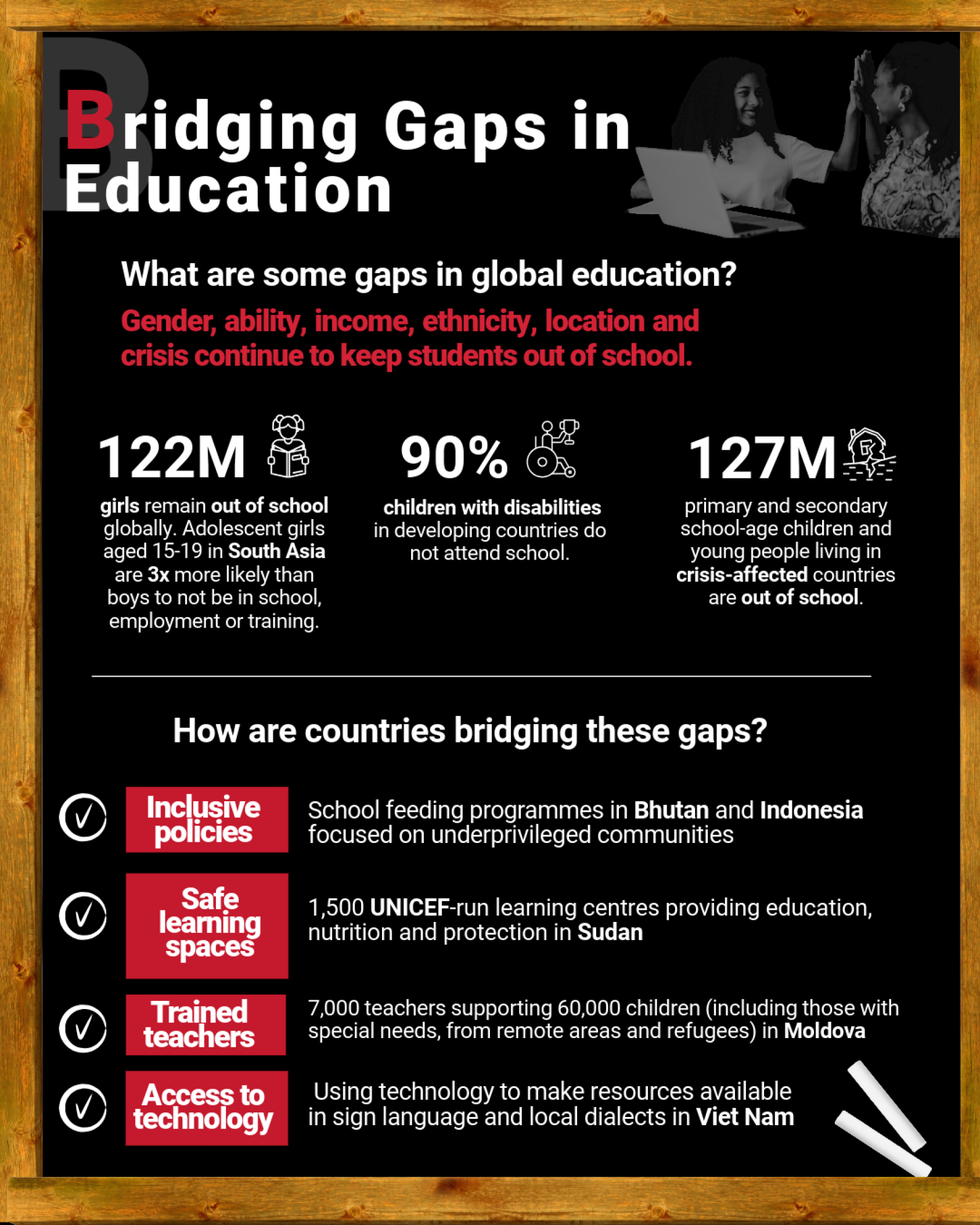
Bridging Gaps to Education: How can we Reach Every Last Student?
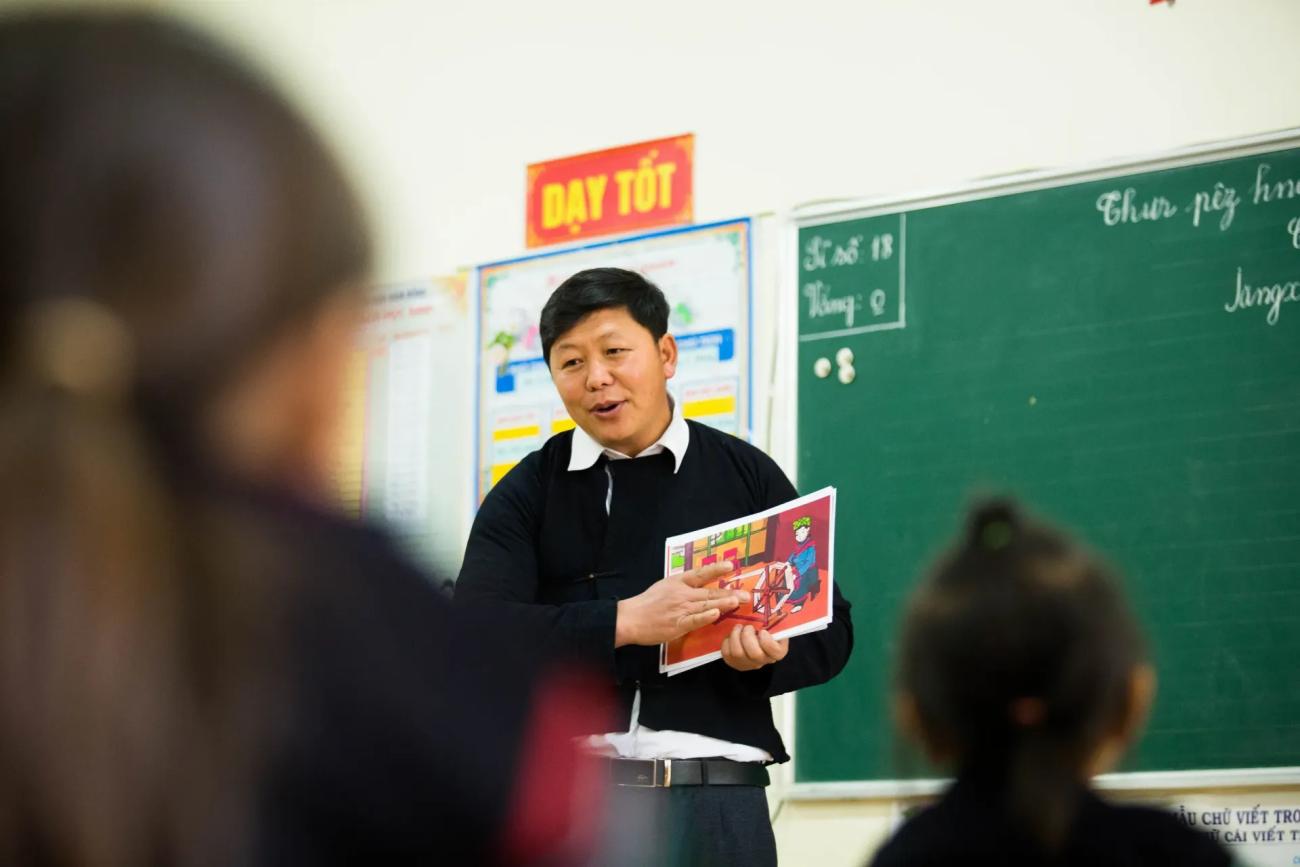
Unequal access to education is a global problem but it disproportionately affects girls and women, people with disabilities and learners in crisis or emergencies contexts. Bridging these gaps means investing in safe schooling, addressing digital gaps, supporting teachers and highlighting the voices of marginalised communities. Together with governments, civil society, private sector and development partners, the UN works to ensure that education is a right, not a luxury, for everyone, everywhere.
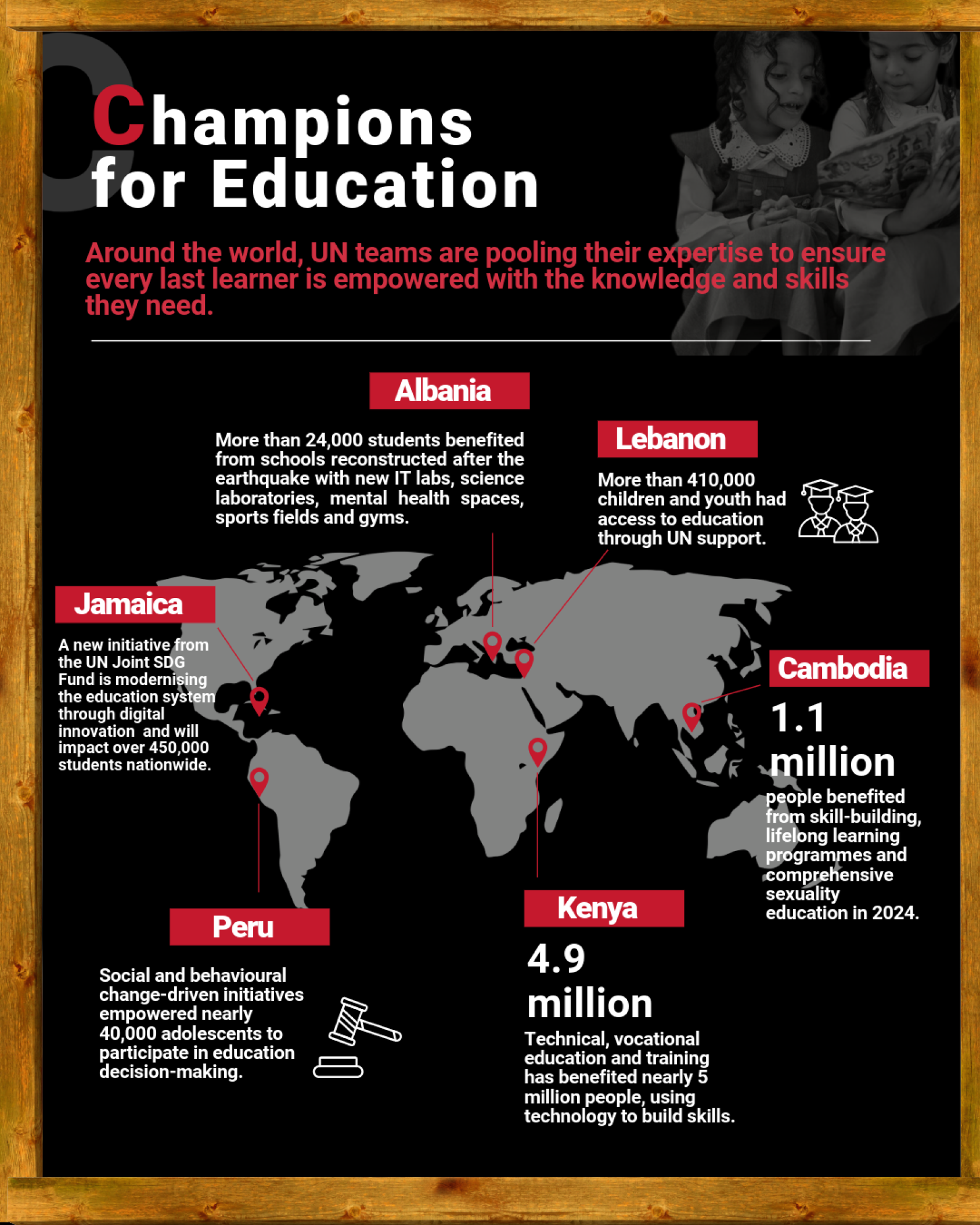
Countries: Which Places are Championing Inclusive Education?
From the breezy islands of Jamaica to the tropical forests of Cambodia, one thing is clear: Countries that prioritise education for their communities see greater returns in other areas too—from nutrition to health to local economies. Joint programmes led by UN teams and governments are delivering education at scale, linking its gains to lives and livelihoods.
Students today are the leaders, innovators and teachers of tomorrow. By expanding access, bridging persistent gaps and learning from the countries championing inclusive education, we can build a world where every child can learn, every young person can thrive.
A world where every person who wants access to quality education only needs to say, "Present!" when their name is called.




Latest news and updates


