Why Investing in Young People Matters More Than Ever
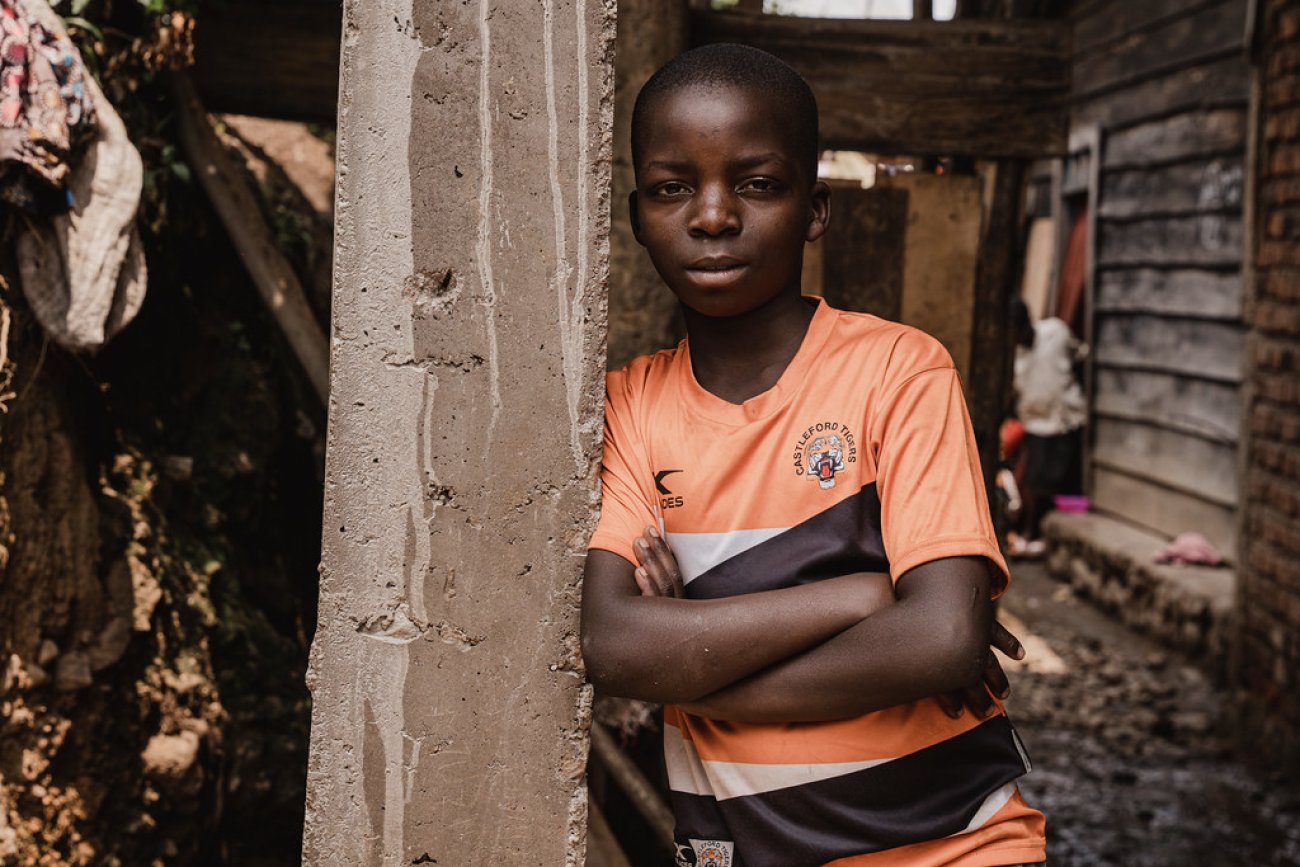
There are more young people in the world today than ever before. Across countries and communities, they are helping shape the decisions, ideas and solutions that affect their lives and their communities.
But many are coming of age amid economic uncertainty, climate change and rapid technological transformation. Too often, they lack access to decent work, relevant skills and opportunities to participate in decisions that affect them. When young people are excluded, communities miss perspectives and countries risk leaving talent and potential untapped.
The United Nations is working with governments, communities and young people to expand these opportunities, helping younger generations participate in public life, strengthen their livelihoods and contribute to solutions to the challenges facing their communities.
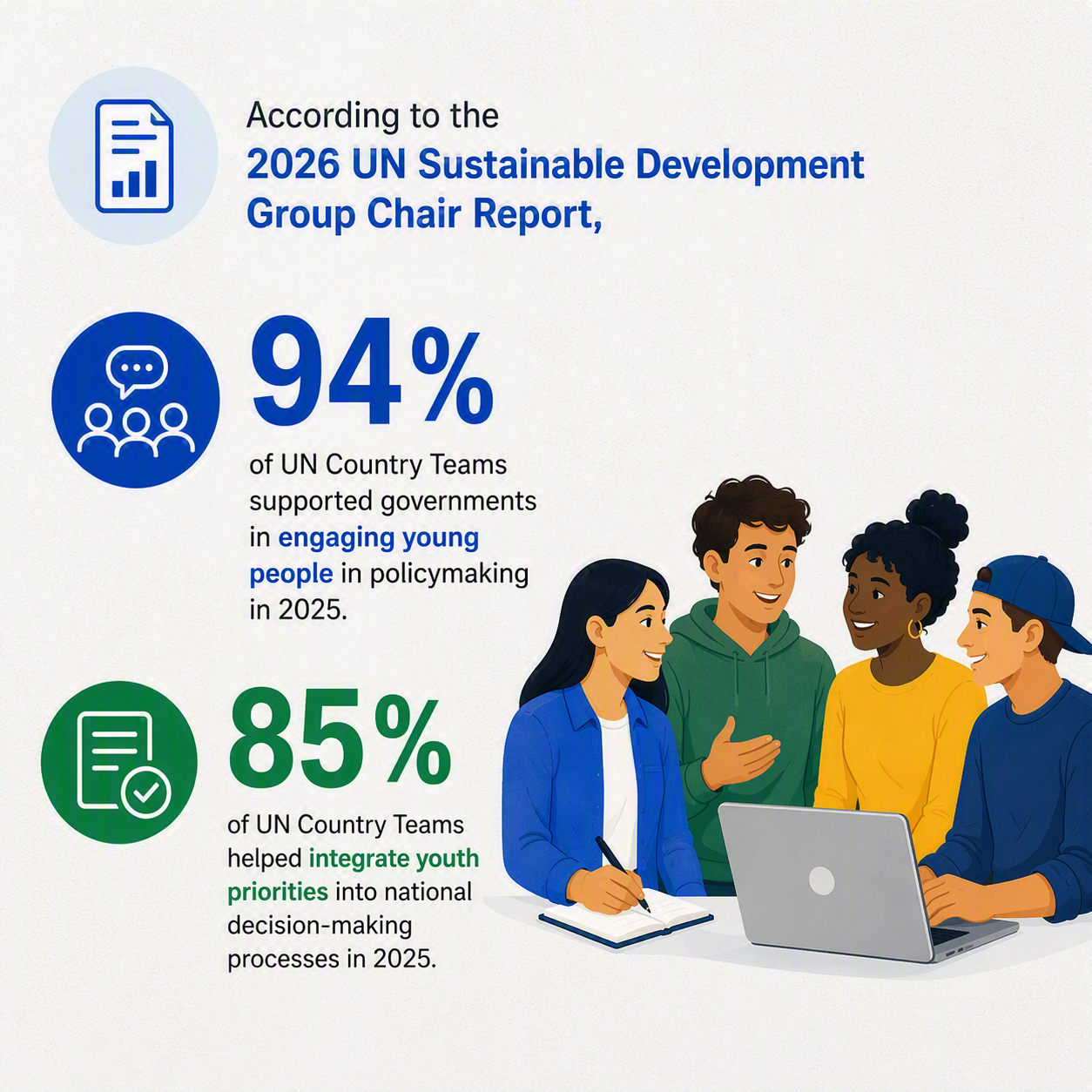
Across different contexts, the results are already visible, with young people taking on greater roles in shaping their communities and countries.
Leading Inclusive Change and Climate Resilience
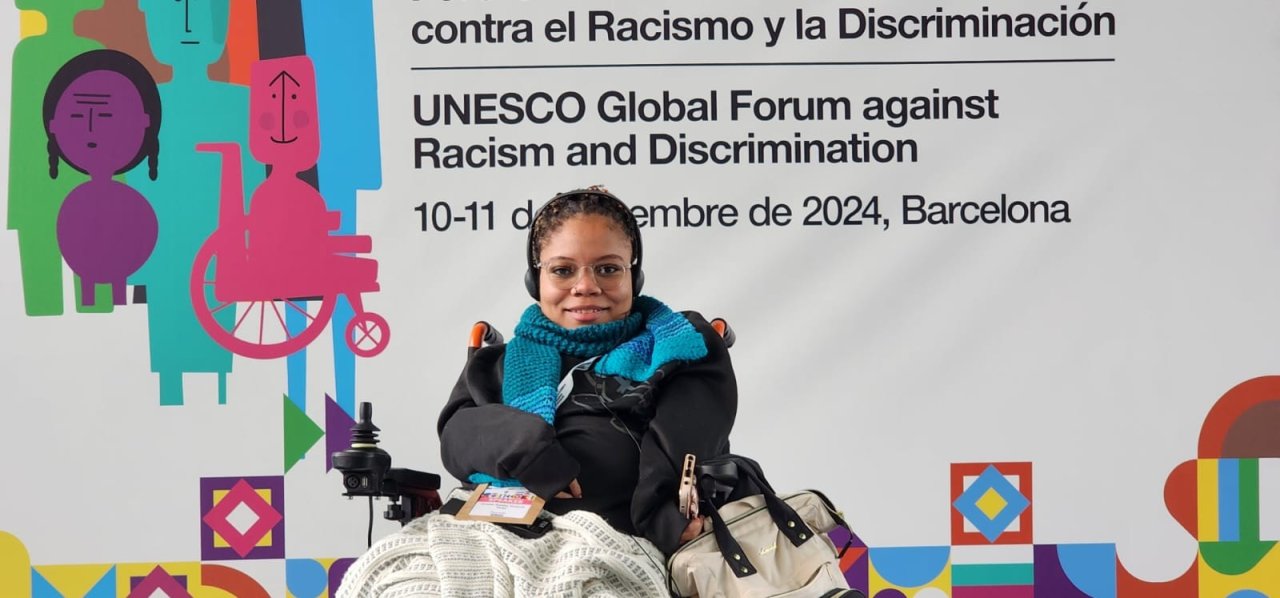
In Grenada, Zinzee Noel, a Disability Advocate and member of the UN Barbados and Eastern Caribbean Youth Advisory Group, is playing her part to help open doors of opportunity for other youth and persons with disabilities.
Having overcome significant obstacles during her educational and professional journey, with the support of the UN and private sector partners, Zinzee is bringing greater attention to disability inclusion in employment and shifting the narrative from ‘disability to ability’, through her ‘Hireability Campaign’, to be officially launched later this month.
“I know this reality personally. I went to school, earned my degree, gained certifications, and committed myself to volunteer and professional work. Yet despite all that, I was shut out because of assumptions about my capabilities. I turned this pain into purpose,” she explains.
Her advocacy is part of a wider picture of youth leadership across Barbados and the Eastern Caribbean. In 2025 more than 12,200 young people participated in initiatives focused on Sustainable Development Goals (SDGs) advocacy, climate justice, food security, digital transformation, mental health and civic engagement.
In Barbados, Green Rising, United Nations Children's Fund (UNICEF)'s global youth climate movement, aims to equip 5,000 young people with training, mentorship and opportunities to lead environmental action and green entrepreneurship initiatives. Following Hurricane Beryl, the UN Barbados and Eastern Caribbean Youth Advisory Group also launched the "Rooted in Resilience" podcast series, creating space for young people to discuss how climate shocks affect mental well-being while highlighting stories of resilience and leadership.
Having a Say in the Future
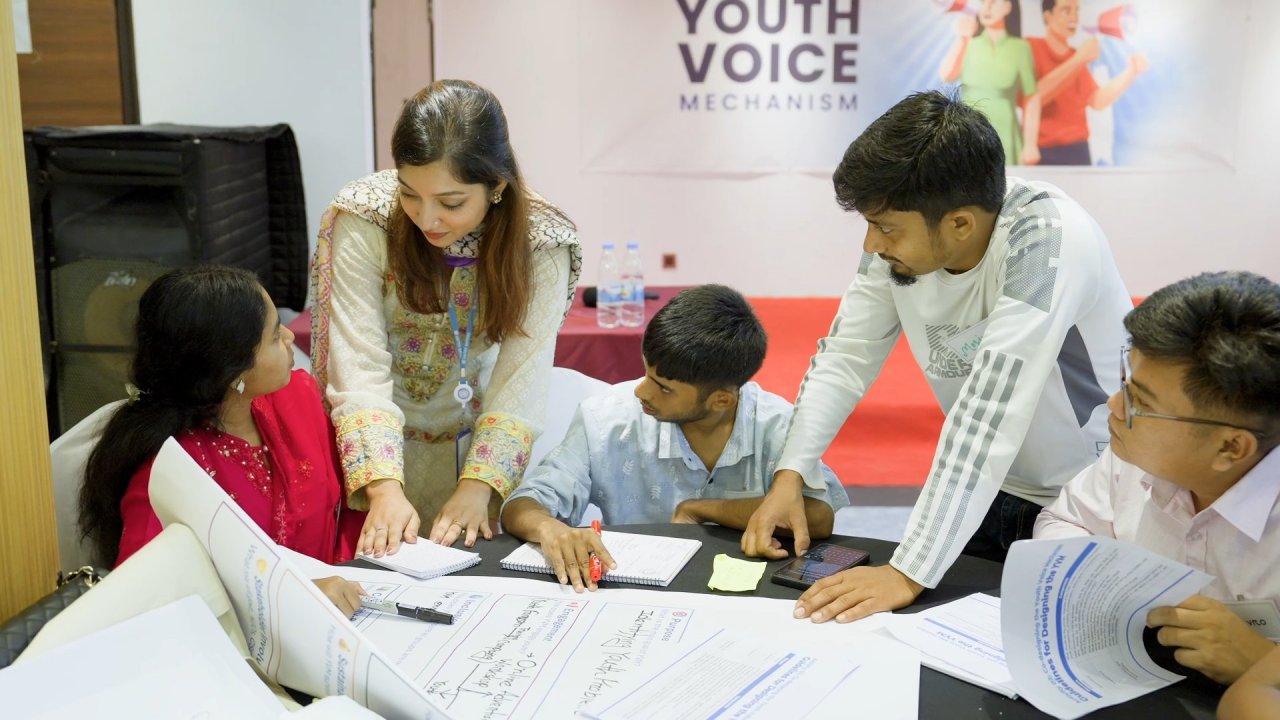
In Bangladesh, young people contributed for the first time to the country’s Voluntary National Review. With UN support, the interim Government gathered inputs from over 200 young people to assess progress towards the SDGs. The UN also helped advance the design of a Youth Voice Mechanism – a permanent, Government-owned platform to amplify the voices of young Bangladeshis in policy development.
As one participant reflected: "For the first time, we felt our voices mattered – not just as participants, but as contributors shaping national youth policies."
Four youth research teams examined the mental health impacts of the 2024 uprising and severe floods, while electoral assistance programmes engaged around 700 young people from seven marginalised groups to identify barriers to civic participation ahead of the 2026 national election. Overall, in 2025, 20 UN entities contributed to these initiatives.
In Trinidad and Tobago, young people developed evidence-backed policy recommendations to mitigate the effects of cyberbullying, gaining direct experience in rights-based public decision-making through the National Youth Parliament 2025. Through the parliamentary debate process, they strengthened their understanding of human rights, ethical technology use and gender equality.
The initiative was led by the Resident Coordinator's Office together with UN Women, United Nations Population Fund (UNFPA), UNICEF and United Nations Educational, Scientific and Cultural Organization (UNESCO).
Creating Opportunities for Young People to Thrive
In Zambia, more than 15,000 young people, including 7,500 young women and youth from Lusaka, Copperbelt, Eastern, Southern and North Western provinces, took part in initiatives to shape policy, develop entrepreneurial ideas, strengthen climate action and engage in innovation platforms in 2025. Working with the Government and partners, the UN focused not only on creating opportunities for young people, but also ensuring that those furthest behind, including young women, rural youth and young persons with disabilities, could build the skills, networks and confidence to participate more fully in Zambia’s economy and development.
This support translated into more concrete economic opportunities. A total of 170 youth and women-led micro, small and medium-sized enterprises, including 50 women-led and 120 youth-led enterprises across Lusaka, Kitwe and Livingstone, received support to strengthen their businesses, connect to markets and prepare for regional trade opportunities. Five high-performing enterprises received seed funding to move promising ideas closer to scale, while more than 800 young people strengthened their leadership, advocacy, digital and financial literacy skills. Together, these efforts helped young people build the skills, connections and resources to turn opportunities into sustainable livelihoods.
Support for young people is also taking innovative forms in other developing countries.
In Morocco, the United Nations System is empowering young people to drive sustainable development through concrete, measurable results. Key initiatives include Shabab Labs, which supported over 200 young people to implement 37 community projects with mentoring from 22 doctoral researchers; youth-led campaigns promoting gender equality and women’s economic empowerment reaching over 6,000 young people; and the SAFEERA Project, which supported adolescent girls as Ambassadors of Change and reached nearly 850,000 people.
Other efforts, including U-Report and the Girls Impact Bonds initiative, have involved adolescents in advocacy and programming and supported more than 2,500 girls and young women, including through the Girls Impact Fund to promote long-term socio-economic empowerment. A Youth Advisory Board was also established to strengthen youth participation in UN priorities.
Investing in Youth Means Investing in the Future
The support young people need varies from one place to another. What remains constant is the value of investing in their potential and creating real opportunities for them to contribute.
Through Youth2030, the UN System’s first overarching strategy on youth, and a growing range of country-level initiatives, the UN is helping ensure that young people are not treated as an afterthought in sustainable development efforts, but recognised as essential partners in building a more inclusive, resilient and sustainable future.
Investing in youth today helps build the knowledge and solutions that societies will rely on tomorrow. When young people are given the opportunity to lead, their ideas, energy and determination can help transform communities, countries and the world.
This story was published in observance of International Youth Day, under the theme “Different Contexts, Common Aspirations.” The theme recognises that while young people face different realities around the world, they share common hopes for dignity, opportunity, participation and a sustainable future, with particular attention to the experiences of youth in Least Developed Countries, Landlocked Developing Countries and Small Island Developing States.