In the Tribal Heartland of India
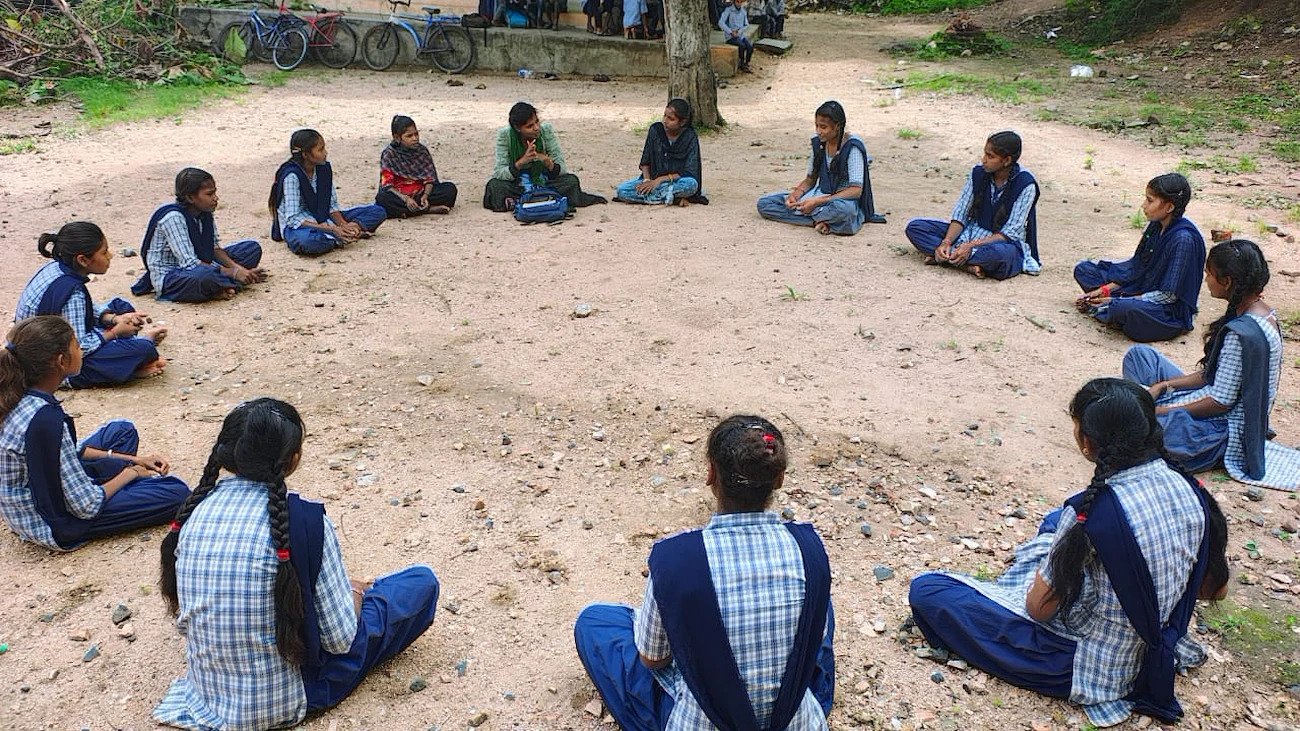
Volunteers create change not through textbooks but through community service in India
For many, a first job is memorable. For some UN Volunteers in India, it was life‑defining. Sent to the country’s tribal heartland, they took on a simple but urgent mission: bring Government support within reach of the people it was meant for.
Village by village, door by door, they covered 260 communities, met 56,000 people, and turned distant promises into access — connecting thousands to services they didn’t know they were entitled to, or couldn’t reach before.
India's tribal regions are rich in culture and traditional knowledge. Many of these communities live in geographically remote areas, where bringing services closer to people remains a key focus for the Government.
It was in this context that the Adi Karmayogi Abhiyan was developed. Started by the Government of India’s Ministry of Tribal Affairs, the initiative aims to make local Government work better in remote tribal areas. To support, the United Nations Population Fund (UNFPA) and UN Volunteers joined forces with the Ministry — helping communities access services while building local leadership.
Eighty-two UN Volunteers were assigned to the tribal heartlands of the states of Madhya Pradesh and Rajasthan. For many of them, it was probably the first real exposure to tribal communities and local Government. A rare opportunity to work hands-on with development programmes that reach people where it matters most: on the ground.
"Working in tribal villages opened my eyes to the real struggles people face," said Raju Kunwar, a UN Volunteer serving in Udaipur, Rajasthan.
Raju added, "Guided by Tribal Department officers, I learned that even small, honest efforts can bring meaningful change. It taught me things no textbook ever could. Understanding people's needs, listening to their stories and working within the system showed me inclusive development in action."
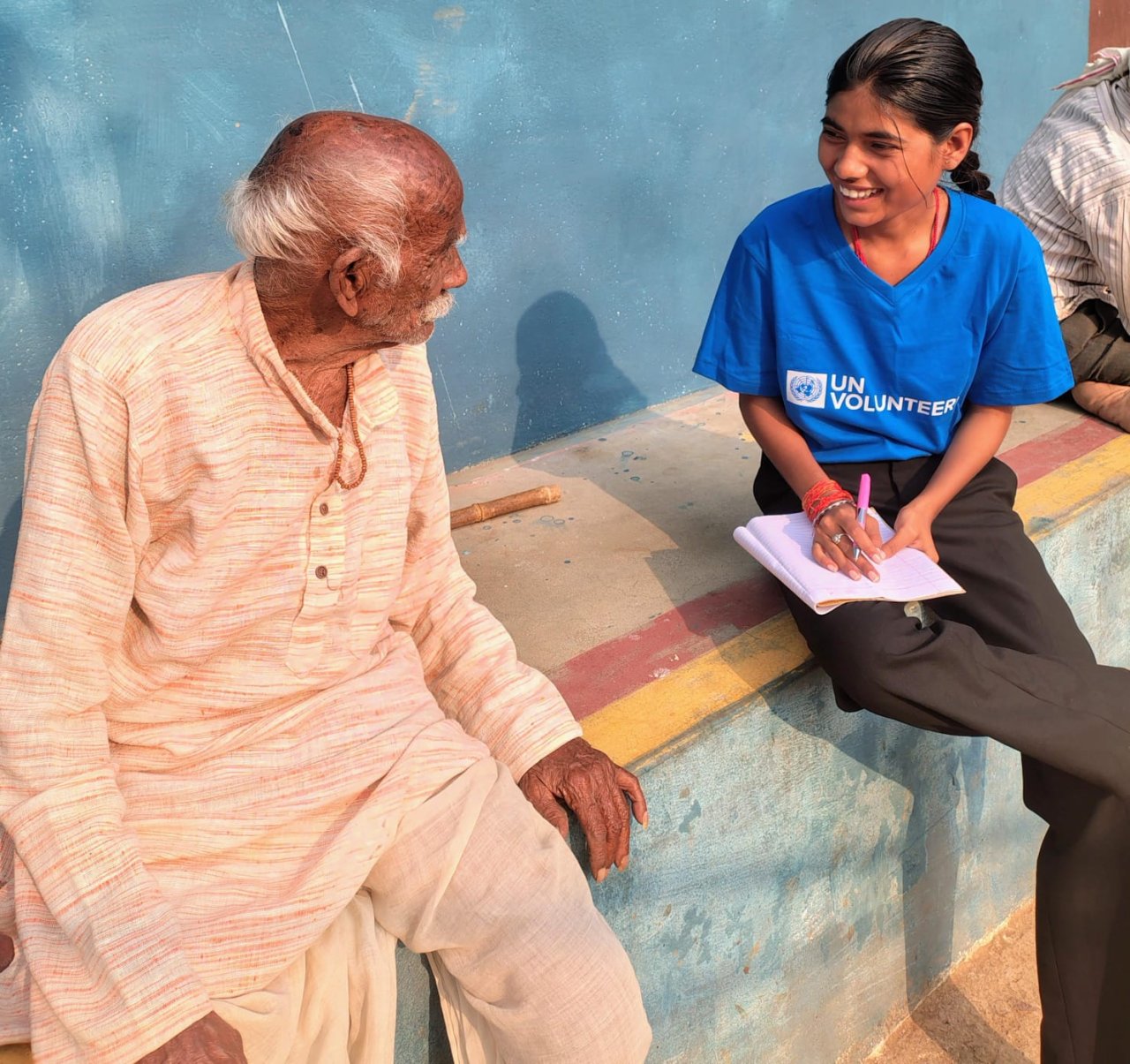
Not Only Theory but Practice
Before they started their assignments, UN Volunteers went through UNFPA and UN Volunteers' structured training that covered topics including ethical conduct, workplace safety and the prevention of sexual harassment.
Their service included working directly with tribal communities, inside their homes and villages, tackling issues of everyday life. This wasn’t theory — it was hands-on learning for a very real job. Working alongside district and local tribal authorities, they saw up close how policies play out in practice — what works, what doesn’t, and what it takes to turn decisions into real change on the ground.
Information is Power
At the village level, UN Volunteers conducted household surveys, supported planning and raised awareness about flagship Government schemes* related to health, education, livelihoods and social protection. For many families, it was the first time they had received clear, reliable information about their entitlements.
“Helping a family understand their eligibility for a Government scheme and seeing the relief on their faces was deeply satisfying,” reflected Vasu Chowbe, a UN Volunteer. “It made me realise that access to information itself is a form of empowerment.”
*Government schemes include Ayushman Bharat, PM Ujjwala Yojana, PM Awas Yojana, Jal Jeevan Mission, Beti Bachao Beti Padhao, Dharti Aaba Janjatiya Gram Utkarsh Abhiyan (DAJGUA), Swachh Bharat, Digital India and Sukanya Samriddhi Yojana.
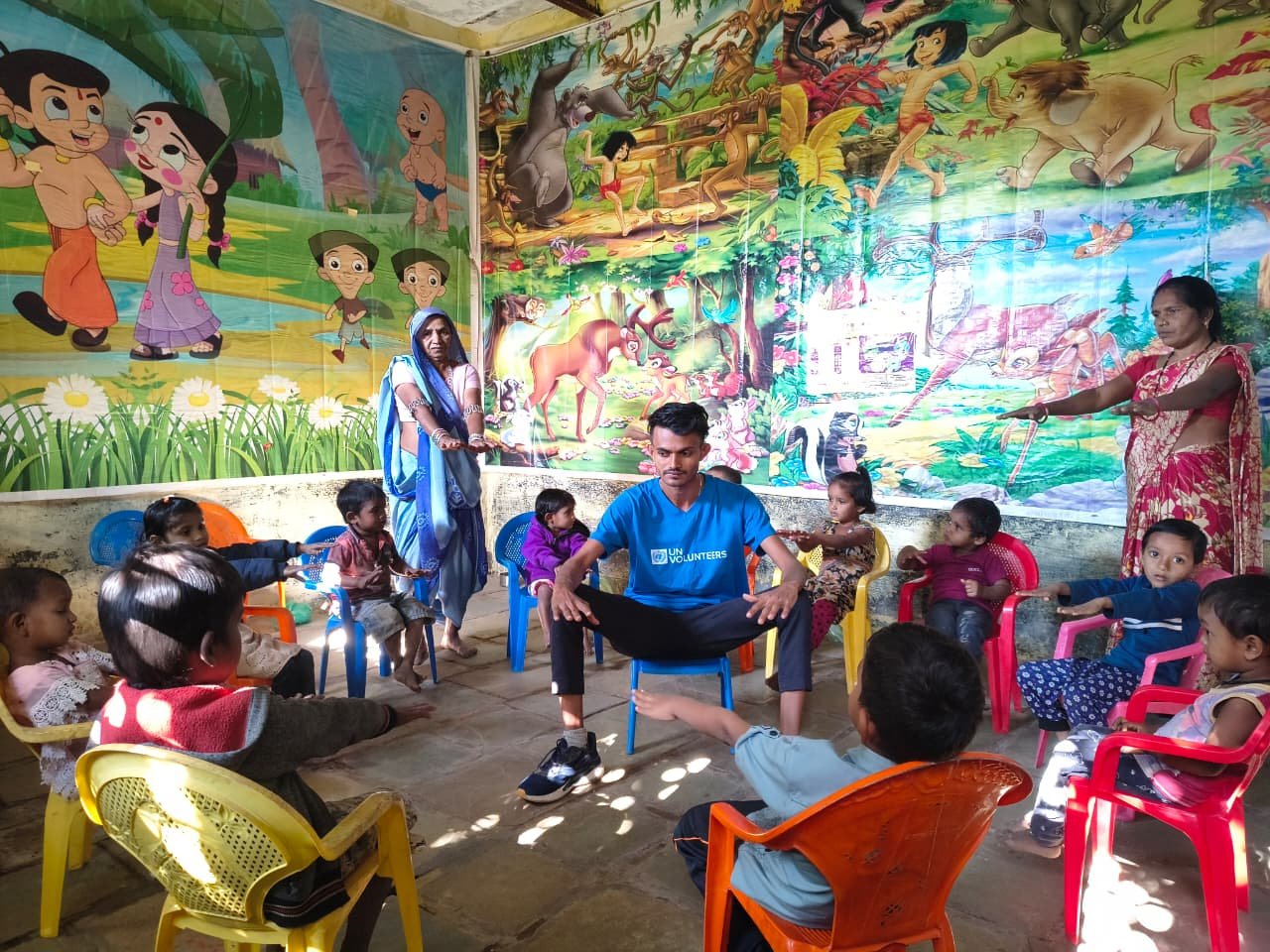
Dream Beyond Your Circumstances
Volunteers also supported Adi Seva Kendras (Tribal Service Centres), assisted district offices and peer learning sessions in schools to make sure young people felt informed, confident and encouraged to dream beyond their circumstances.
One of the fellowship's defining moments came when volunteers led the celebrations for Janjatiya Gaurav Diwas (Tribal Pride Day) and the week-long events that followed. They organized health camps, sanitation drives and community events, turning a cultural celebration into a powerful platform for dignity and inclusion.
“Real change happens when communities are partners, not just beneficiaries,” shared UN Volunteer Manisha Rathod.
Technology Meets Tradition
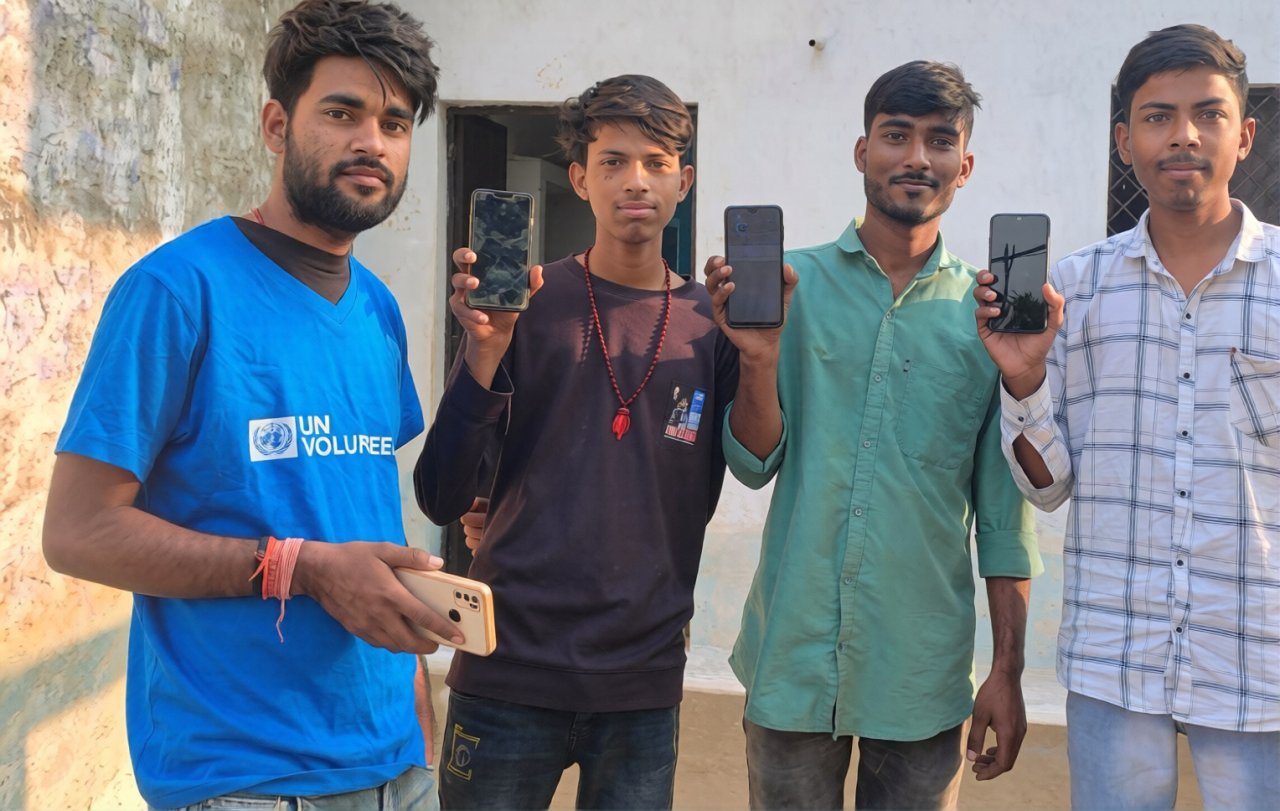
Aligned with UNFPA’s mandate, volunteers were trained to use “Just Ask,” an AI-enabled chatbot promoting awareness on social issues and sexual and reproductive health and rights. In areas where these topics are rarely discussed openly, the tool offered adolescents a safe, confidential space to seek information.
“Using technology to talk about sensitive issues helped us connect with young people in a respectful and meaningful way,” noted UN Volunteer Mamata Bai.
Reaching 56,000 People
Through weekly review meetings and reporting, volunteers reflected on their challenges and successes. By the end of the programme, they had reached nearly 56,000 people across 260 villages in 82 tribal locations.
Village by Village
“This fellowship did not just change the communities we served — it changed us,” said UN Volunteer Ishwar, capturing the spirit of the initiative.
For the volunteers, the fellowship was a turning point. It was their first real encounter with how policy works for people at the local level, and how much difference volunteers can make on the ground. For the communities and young people they served, it meant something concrete: clear information on their entitlements and answers to questions they had never had a reliable place to ask.
The Adi Karmayogi Fellowship shows what youth volunteering can do when it’s done right — bringing together Government support, community knowledge and the drive of young people to create change. It's youth volunteering at its best — where Government support, local wisdom and young ambition come together to create change you can see, village by village, life by life.
Taking the System to the People
Their first job did more than open doors — it rewired what those doors could lead to. In places long left waiting, volunteers didn’t just deliver services — they proved the system can work, when someone is willing to walk it all the way to the last mile. And the learning that came with it — real change happens when communities are partners, not just beneficiaries.
This story was originally published by UN Volunteers. Please visit the UN team's website for more information about the UN's work in India.