Summer Heatwave: Helping Communities Beat the Heat
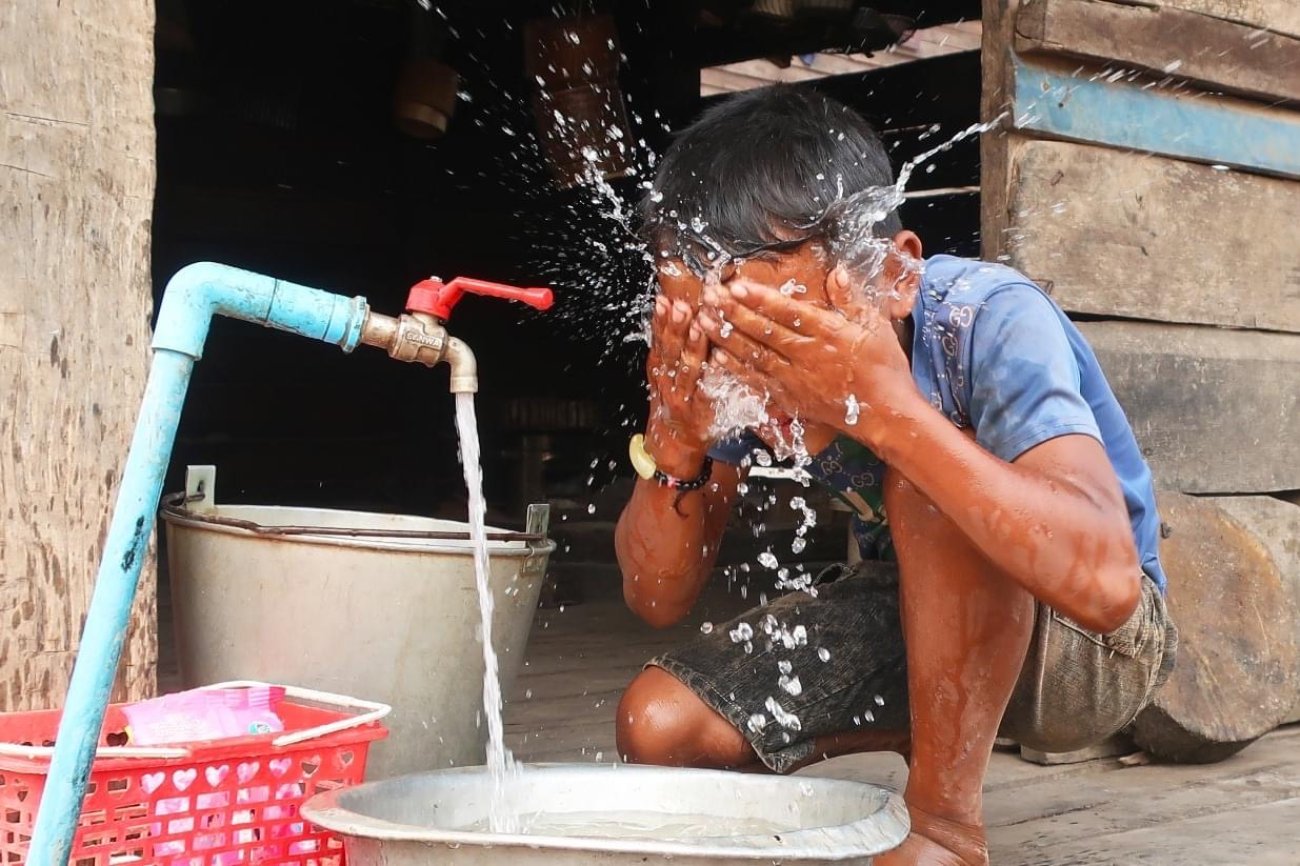
Sizzling temperatures are now the summer norm across much of the world.
With millions of people congregating outdoors in dozens of countries to enjoy World Cup festivities, heatwaves this year are especially impactful.
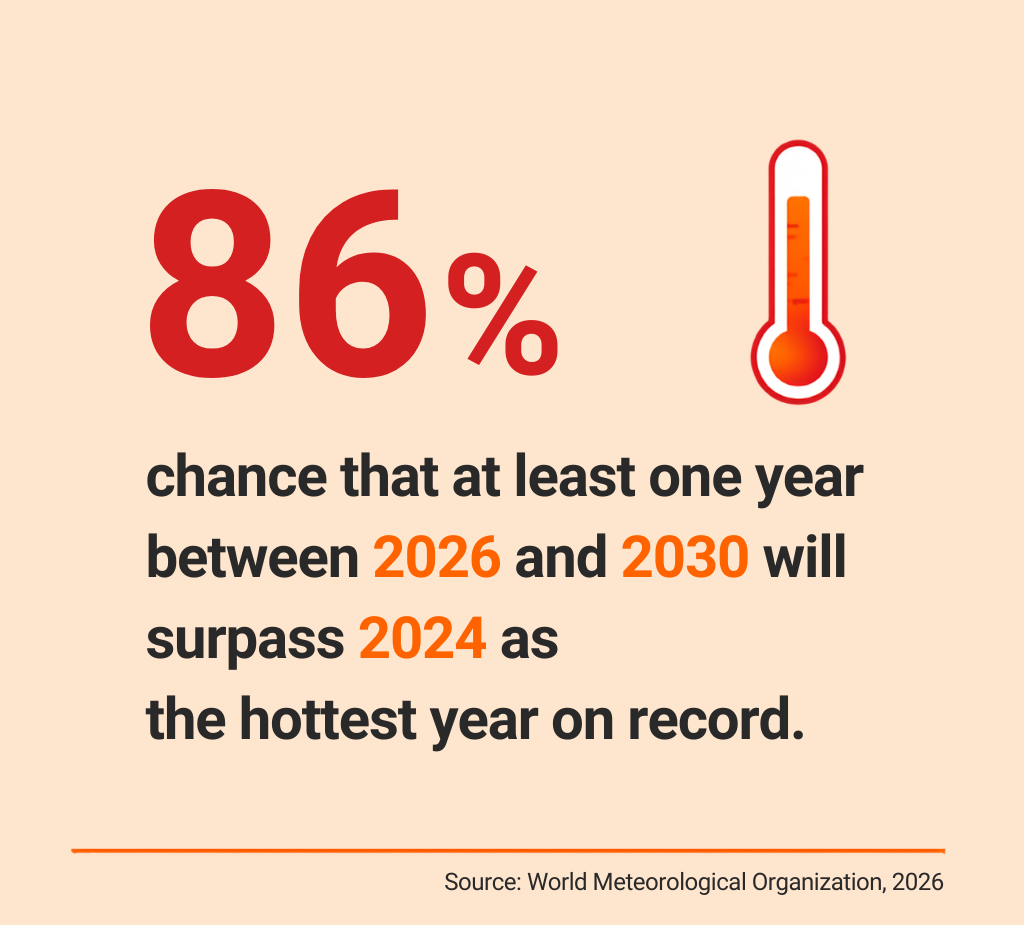
Heat-related deaths have surged 23 per cent between the 1990s and 2021, to an average of 546,000 a year.
As heatwaves become increasingly severe and long, the UN’s forecast is calling for more support as countries adapt to the economic and health consequences of climate change and associated boiling temperatures.
Here are four ways the UN is working with countries to help manage and mitigate extreme heat:
1. Improving Access to Water
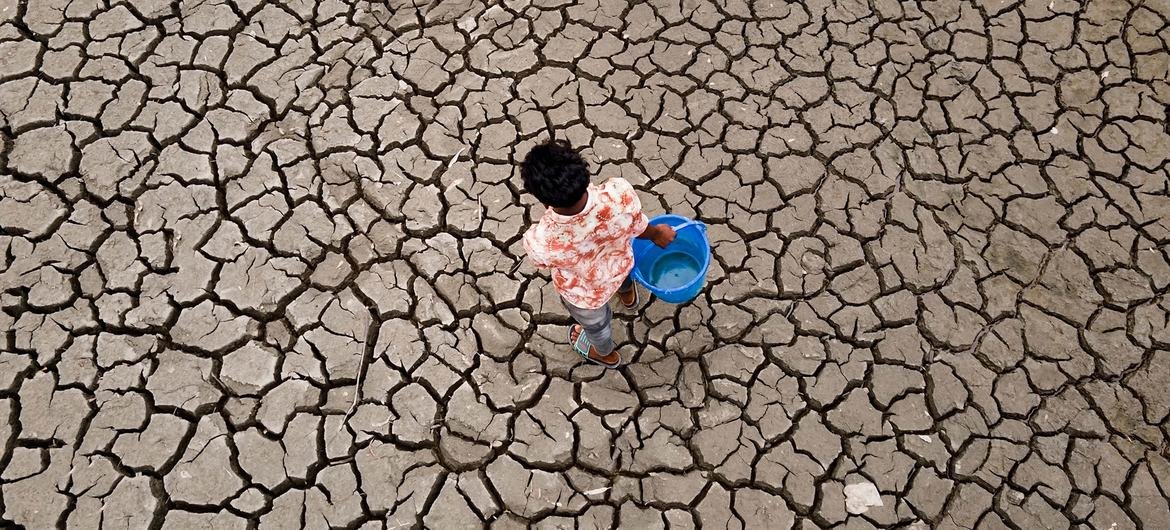
More than two billion people across the world don’t have access to safe drinking water today. Approximately half of the world’s population experiences severe water scarcity for at least part of the year.
Many of these communities live in climate hotspots that experience sweltering heat. As global temperatures rise, more water will evaporate from land, exacerbating dry spells. This is why a stable supply of water is imperative.
In Bangladesh, the UN supported more than 365,000 people in gaining access to safe and innovative water services last year, including automated safe water dispensing systems and electro-chlorination technology for water disinfection. Water safety plans designed to withstand climate impacts were introduced in two municipalities, improving the safety of drinking water for around 100,000 people.
In Kenya, the UN Development Programme (UNDP) and UN Children’s Fund (UNICEF) collaborated with Government partners to install a 454-metre-deep borehole in Wajir County, providing clean water for more than 9,200 people living in drought-prone conditions. Whereas communities once had to trek in blistering heat to get water, a solar-powered pump now draws 6,000 litres of water every hour, supplying two 60,000-litre steel tank towers. Importantly, nearly 5,000 livestock have also benefitted through replenished troughs.
In 2025, over 1.1 million people in Yemen were supported with basic water services through the rehabilitation of water systems, solar-powered infrastructure and emergency water. Surveys showed that over 90 per cent of households reached were able to meet basic water, sanitation and hygiene needs. The UN also supported the repair of a major pipeline in Mokha, restoring clean water for 120,000 urban residents. Across the country, more than 160 kilometres of water pipes were installed.
2. Launching the Climate-Health Desk
It’s no secret that excess temperatures can cause health problems, especially for vulnerable communities. Ranging from mild dehydration to potentially fatal heat stroke, billions of people across the planet have experienced some form of medical heat distress.
In Africa and Southeast Asia, the World Meteorological Organization (WMO) and World Health Organization (WHO) worked with partners to launch the Climate-Health Desk, the first of its kind in Africa. The Climate-Health Desk will close gaps between science and public health by providing tailored climate information to medical authorities, hospitals and communities, such as early warnings that signal when heat begins to threaten people’s well-being.
Addressing the link between health and climate has long been a UN priority. In Viet Nam, the UN team supported climate audits and upgrades in provincial hospitals, including solar power backup and improved cooling and ventilation for extreme heat. These efforts significantly reduced interruptions to healthcare during the 2025 heatwaves, maintaining essential services for vulnerable communities.
Such preventive actions were also seen in North Macedonia, where a National Heat Health Action Plan was developed last year, strengthening early warning systems and public health protection during summer heatwaves. Moreover, the Government is endorsing a plan to establish a dedicated paramedic workforce and a nationally-accredited emergency medical team to deal with extreme temperatures.
3. Implementing Nature-Based Solutions
Greenery on apartment roofs. Landscaped parks designed to absorb heat. Mangroves replanted across shorelines to cool surrounding areas. It’s only natural to manage human-caused heat with the Earth’s bounty.
Nature-based solutions are a powerhouse in the fight against climate change. They protect health, beautify cities, boost economies and offer a myriad of development benefits.
In Jamaica, the Forestry Department planted trees and rehabilitated land across Kingston through CityAdapt, an initiative supported by the UN Environment Programme (UNEP) and partners. More than 12,500 trees have been planted to help cool parts of Kingston affected by rapid urban growth. This includes over 3,200 trees near schools and low-income communities, as well as more than 9,900 drought-resistant trees around a major water supply source.
UNEP also convenes the Cool Coalition, which launched the Nature for Cooling Challenge in Brazil, Cambodia and Côte d’Ivoire. With a budget of over $30 million, high potential nature-based solutions that are proposed will receive grants and technical support to strengthen design quality, cooling performance and monitoring. This builds on other UN-supported initiatives, such as heatwave public awareness campaigns that reached more than 37,000 people in Brazil last year.
The Cool Coalition is also reaching India, where summer temperatures over 40°C are common. In Chennai, an industrial hub home to over 12 million people, the coalition and India's CEPT University identified the city's hottest areas. Based on this analysis, they developed recommendations for local authorities on using nature-based solutions and passive cooling strategies to lower urban temperatures.
4. Improving Access to Innovative Climate Technologies
Beyond traditional and natural solutions, new technologies are also making waves – both today and for future resource pressures. The new Water Information Center leverages Geographic Information Systems and national monitoring tools, among other technologies, to improve evidence-based decision-making within Saudi Arabia’s Ministry of Environment, Water and Agriculture. Collaboration with the UN has also further incorporated water monitoring and information systems across key institutions.
A Summer to Remember
The World Cup is an opportunity for global celebration and solidarity, but it is also a reminder of the risks of stifling heat.
Access to water, better climate and health information, innovative technologies and nature-based solutions offer effective ways of managing high temperatures that are increasingly becoming more frequent.
____________________________________________________________________________
Frequently Asked Questions
What is climate adaptation? Climate adaptation refers to actions that help reduce vulnerability to the current or expected impacts of climate change (UNDP Climate Dictionary, 2023).
What are urban heat islands? The urban heat island (UHI) effect is a phenomenon in which cities and densely built-up areas are significantly warmer than their surrounding landscapes. This happens because urban environments absorb, retain and generate more heat than natural areas (UNDRR, 2026).
What are nature-based solutions? Nature-based solutions are actions to protect, conserve, restore and sustainably use and manage ecosystems to support climate change adaptation and mitigation efforts, preserve biodiversity and enable sustainable livelihoods (UNDP Climate Dictionary, 2023).
What is passive cooling? Passive cooling refers to design strategies that reduce indoor or outdoor temperatures without using energy-intensive mechanical systems, such as air conditioners. Instead, passive cooling relies on natural processes such as effective shading, airflow and heat reflection (UN-Habitat, 2015).