Small Businesses, Big Impact: Five Ways the UN is Helping MSMEs Drive Sustainable Development
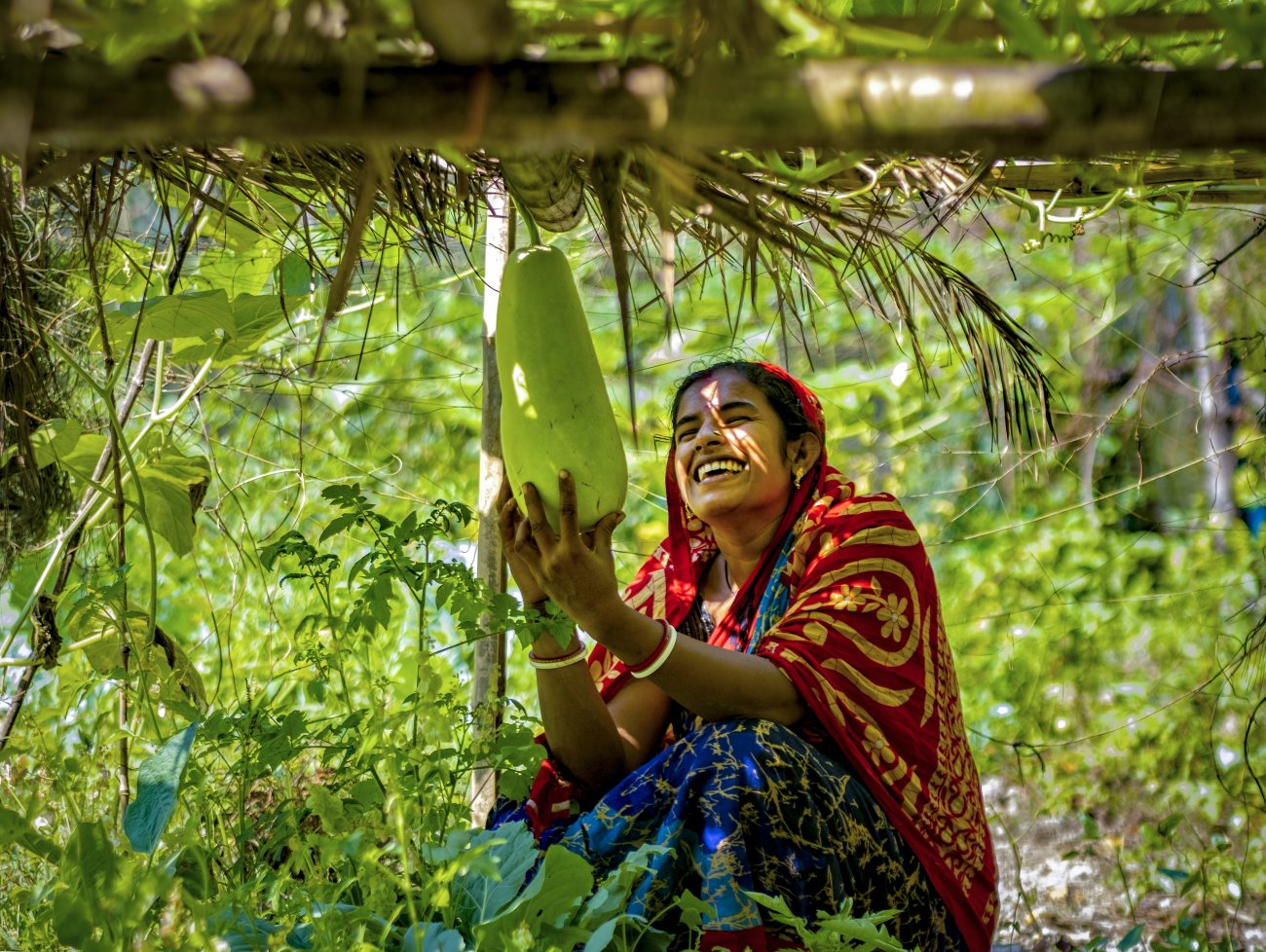
This story was published in observance of Micro-, Small and Medium-sized Enterprises Day. These businesses are the backbone of the global economy and a gateway to sustainable development by providing opportunities for vocational growth, steady income and community enrichment. The UN is committed to unlocking the potential of micro-, small and medium-sized enterprises in creating jobs, economic growth and a fairer world for all.
From market access to green innovation, these examples show what happens when entrepreneurs get the right support at the right time.
Micro, small, and medium-sized enterprises (MSMEs) account for around 90 per cent of businesses worldwide. They create jobs, drive innovation, and strengthen local communities. Yet millions of entrepreneurs continue to face barriers that limit their ability to start, sustain, and grow their businesses, from limited access to finance and digital tools to skills gaps and climate-related challenges.
Supporting MSMEs is not just about helping individual businesses succeed. It is about building more inclusive, resilient, and sustainable economies that help entrepreneurs thrive and create value for their communities.
Across countries and contexts, governments, United Nations agencies and development partners are helping create enabling environments where MSMEs can flourish. By combining access to finance, skills development, market opportunities, and fair policy frameworks, the following examples show how it takes all types of support for entrepreneurs to thrive.
Expanding Access to Finance
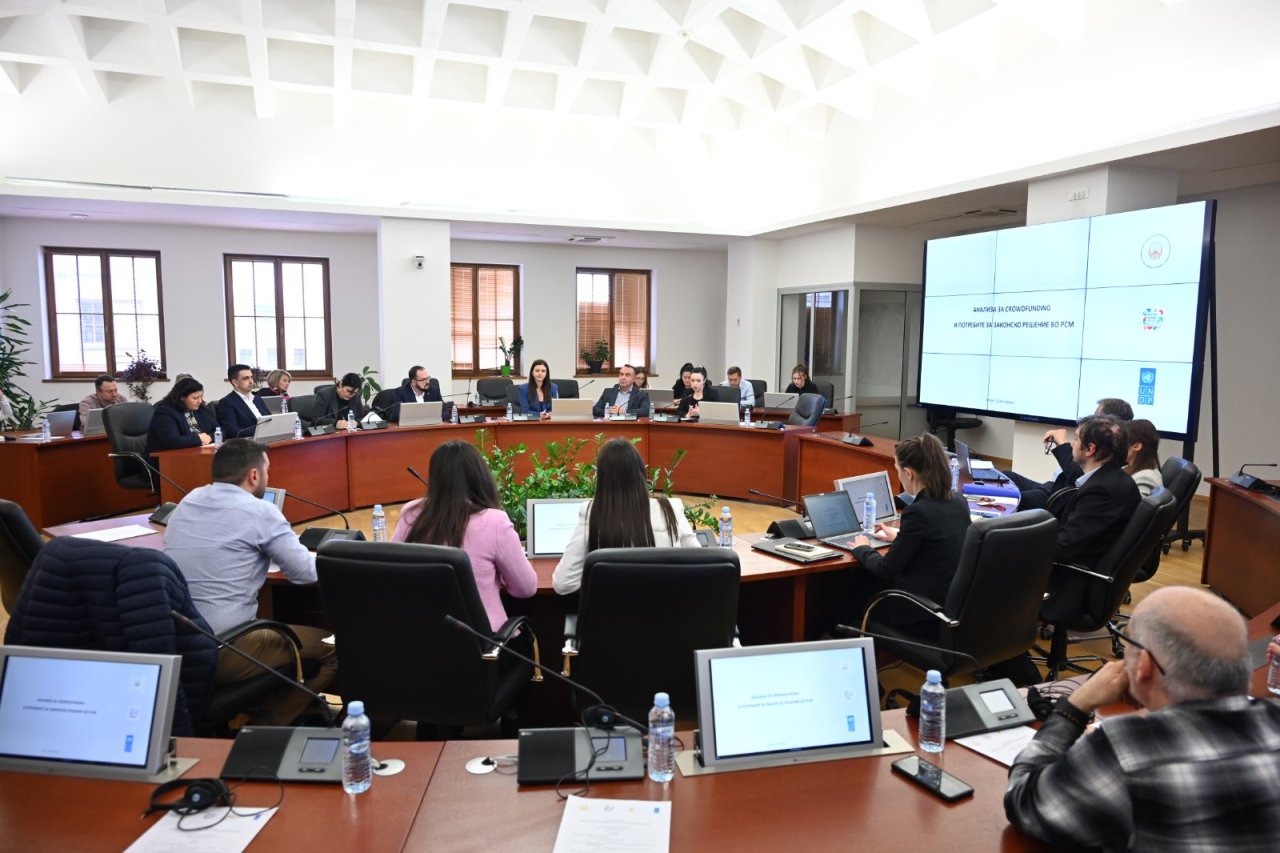
For many small businesses, access to capital remains one of the biggest barriers to growth. Traditional sources such as bank lending or venture capital can be difficult or costly to secure, especially in transitioning economies. In North Macedonia, the UN Development Programme (UNDP) is supporting the government in developing a dedicated regulatory framework for crowdfunding, creating new pathways for entrepreneurs to connect with investors outside the traditional financial system.
A well-designed crowdfunding framework does more than move money. It can help entrepreneurs test ideas, build early customer bases, and strengthen ties with communities who become invested in a business’s success. Clear rules on disclosure, investor protections, and platform accountability are what make this kind of alternative financing trustworthy and scalable.
By developing clear rules and safeguards for digital fundraising platforms, the initiative aims to connect entrepreneurs with a broader pool of potential investors while building trust in alternative financing models. Crowdfunding can offer more than funding alone. It can help businesses test ideas, build customer bases, and increase visibility for new products and services.
North Macedonia’s approach shows that smart regulation can be just as powerful as direct funding, simply by creating the conditions under which entrepreneurs can find he support they need.
Strengthening the Ecosystem for Business Growth
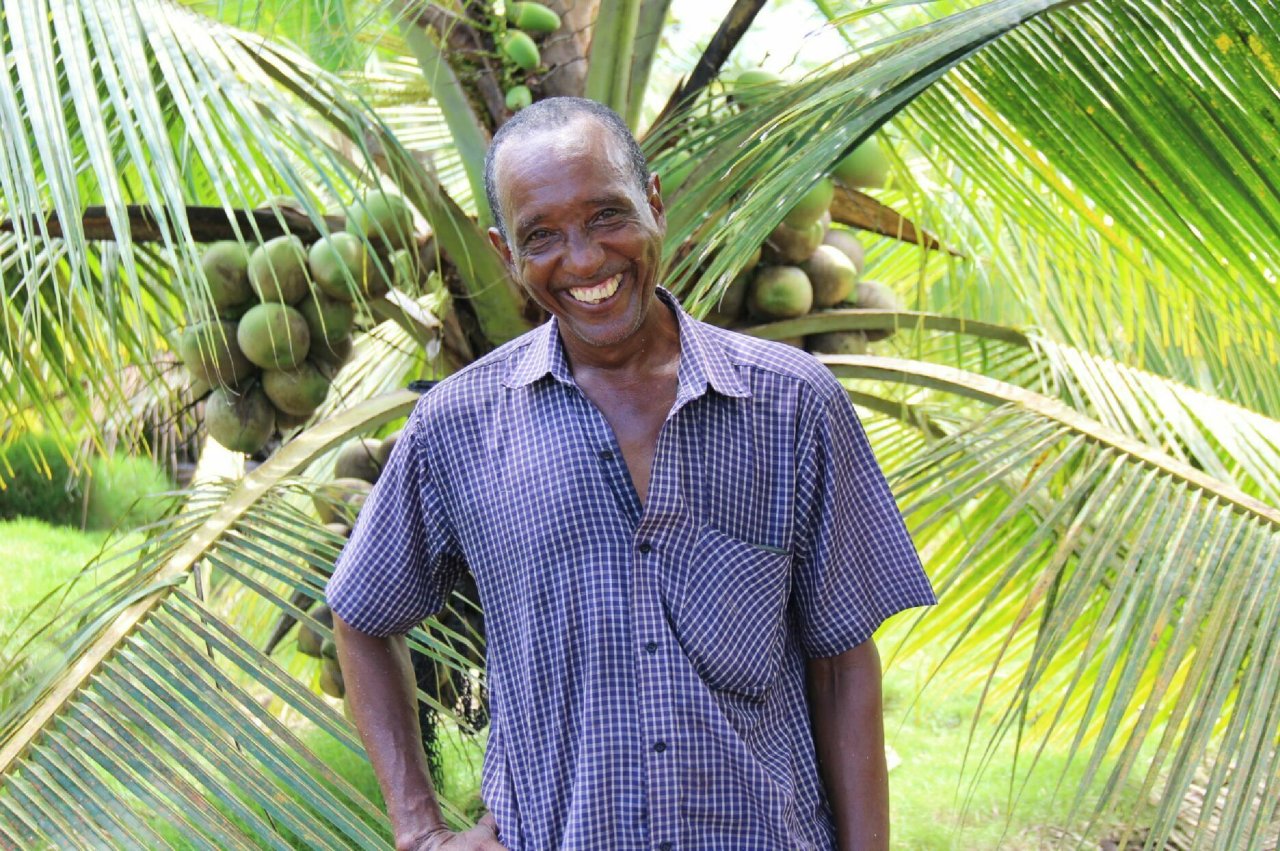
Entrepreneurs often need more than financing or training alone. They need connections to markets, value chains, technology, and institutions that can help businesses grow over time. In Colombia, United Nations agencies worked alongside government institutions and the private sector to build the broader ecosystem supporting MSMEs.
More than 300 MSMEs received specialized technical assistance to improve performance and integrate into productive value chains. Seven financial instruments were operationalized in partnership with the banking sector, while digital transformation and circular economy initiatives are improving competitiveness and sustainability. Some projects supported by the UN in Colombia saw businesses increase average incomes by up to 54 per cent.
These efforts were especially impactful for groups that have historically been left behind. Through the Raíces, Mujeres Sembradoras de Cambio initiative, rural women in the Cauca and Nariño regions increased their incomes by 66 per cent and their savings by 72 per cent, while gaining access to sanitary certifications and commercial agreements for their products.
Colombia’s experience shows that helping MSMEs grow requires more than a single programme. It requires an ecosystem that connects finance, skills, innovation, and markets.
Opening Doors for Women-Led Businesses
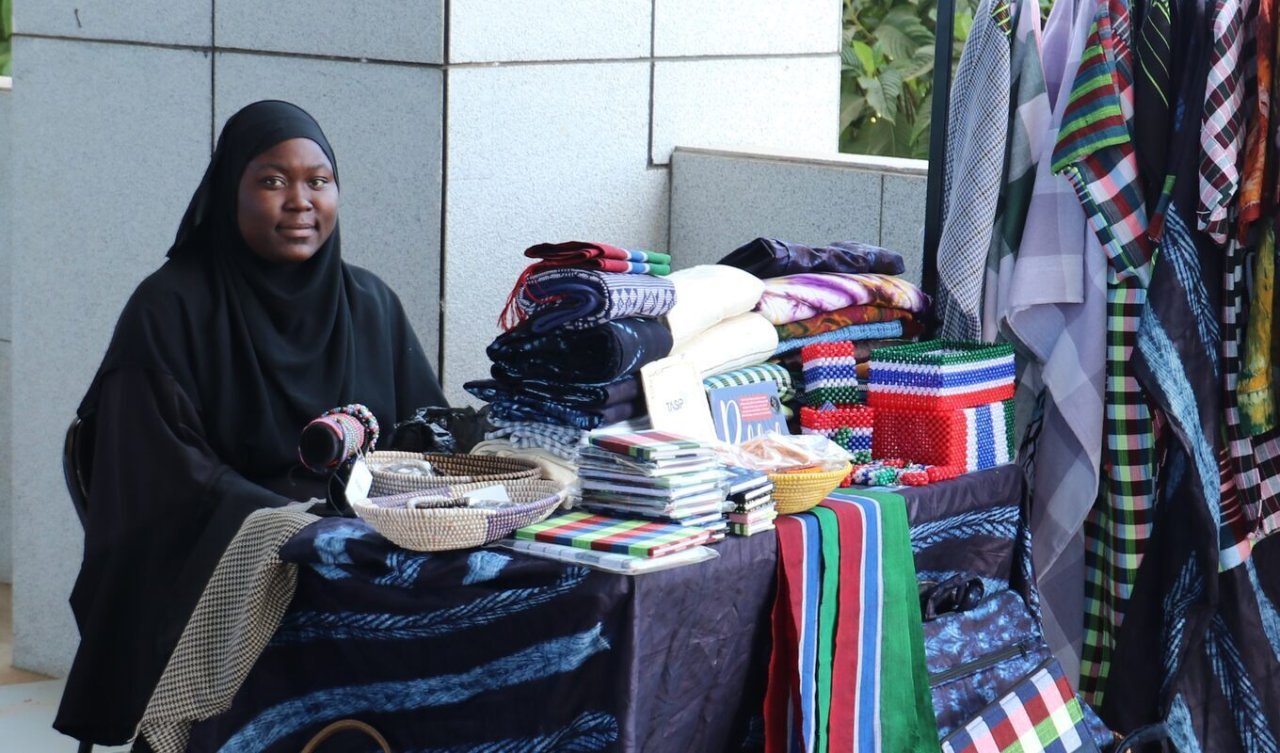
For many women entrepreneurs in the Gambia, the challenge is not starting a business but gaining access to the markets, networks, and opportunities needed to grow. Addressing these barriers requires coordinated action across institutions, sectors, and partners, and not just a single intervention.
Through a joint effort supported by the UN Joint SDG Fund, the International Trade Centre (ITC), and the World Food Programme (WFP), partners have taken an integrated approach that combines business development, market access, and policy advocacy. Through the SheTrades Gambia Hub, more than 1,000 women entrepreneurs have accessed training, mentorship, trade fairs, and business services, contributing to over $3 million in business transactions.
Partners are also advancing gender-responsive procurement policies to create a more equitable business environment for women-owned enterprises. The goal is not only to support individual businesses, but to shift the systems that determine who gets access to opportunity in the first place.
The Gambian experience demonstrates that unlocking the full potential of MSMEs starts with ensuring equal access and that women gain access to markets and networks, they invest those gains back into their families and communities.
Building Digital and Financial Skills
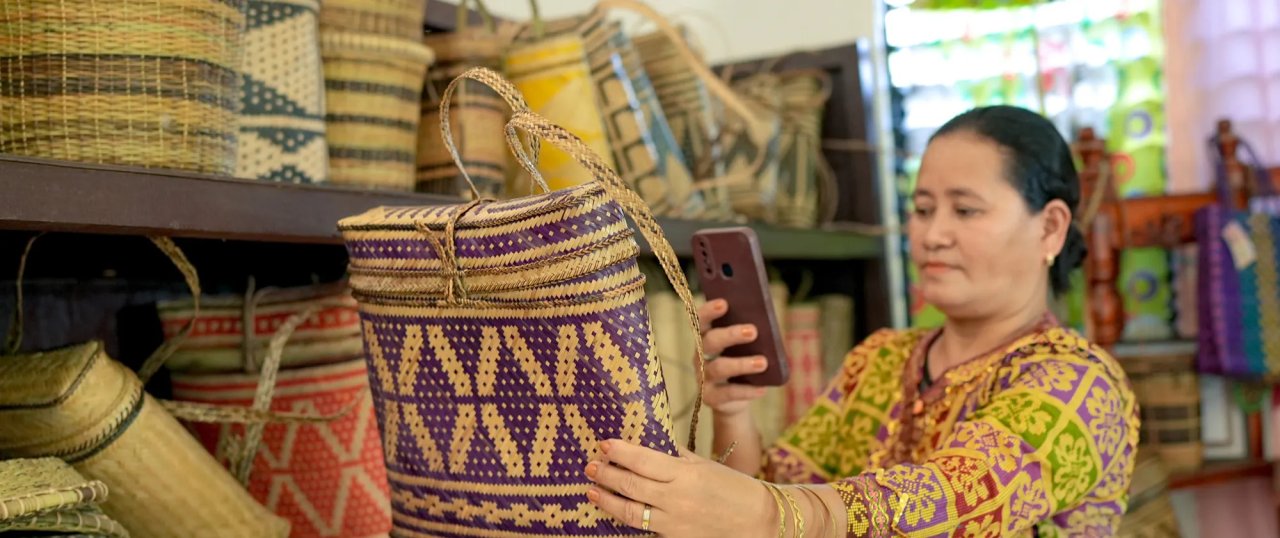
As more business transactions move online, entrepreneurs need the skills to navigate an increasingly digital economy safely and confidently. For many MSMEs, the challenge is not just accessing digital financial services but understanding how to use them responsibly, comparing lending options, managing repayments, and protecting against online fraud.
The Digital PINAS joint program, implemented by UNDP, the International Labour Organization (ILO) and ITC, in partnership with the Government of the Philippines, is tackling this gap with a mobile-first approach. Rather than rely on traditional workshops, the programme delivers short, practical lessons through mobile phones and widely-sed messaging platforms – at the exact moment decisions are being made. Whether applying for a loan or evaluating borrowing options, entrepreneurs receive guidance when it matters most.
By combining financial literacy with digital safety awareness, Digital PINAS is helping entrepreneurs build the confidence to participate fully in a digital economy and helping level the playing field for MSMEs in underserved communities.
Rebuilding Local Businesses After Conflict
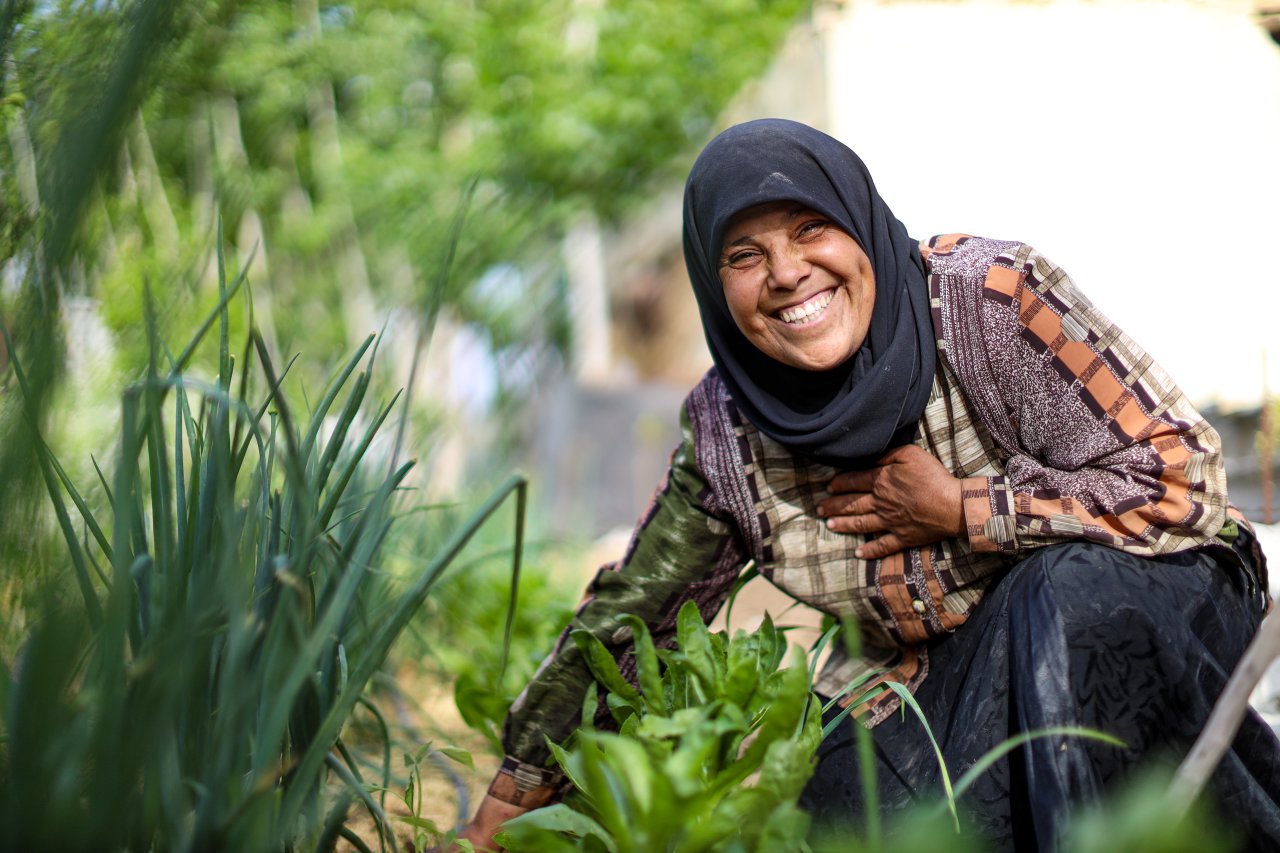
In Syria, rebuilding small businesses and local markets is an essential part of helping communities recover after years of crisis. For many entrepreneurs, restoring livelihoods means more than reopening a business. It requires reconnecting farmers, producers, and local markets while rebuilding the economic foundations that communities depend on.
United Nations agencies are supporting this recovery through an integrated approach combining vocational training linked to labour-markets, microenterprise grants, infrastructure investments, and agricultural value chain support.
In 2025, more than 26,000 people across Syria benefitted from income-generating activities, 585 MSMEs received grants, and more than 162,000 households accessed agricultural inputs and training. Together, these efforts are helping revive local markets, strengthen food systems, and restore livelihoods in communities working to rebuild.
Syria’s experience demonstrates that supporting MSMEs in a post-conflict context is not only an economic priority. It is an essential foundation for long-term recovery, resilience, and inclusive development.
Small Businesses, Global Impact
The challenges facing MSMEs differ across countries, but one message is clear: entrepreneurs need different types of support at different stages of growth. Whether the priority is regulation, skills, market access, digital inclusion, or recovery from crisis, the most effective approaches bring together multiple forms of support and ensure they reach those who need them most.
By strengthening the ecosystems that enable small businesses to succeed, countries can create jobs, foster innovation and build more inclusive, resilient, and sustainable economies—bringing the Sustainable Development Goals within closer reach.