

Protecting Livestock and Lives in Syria
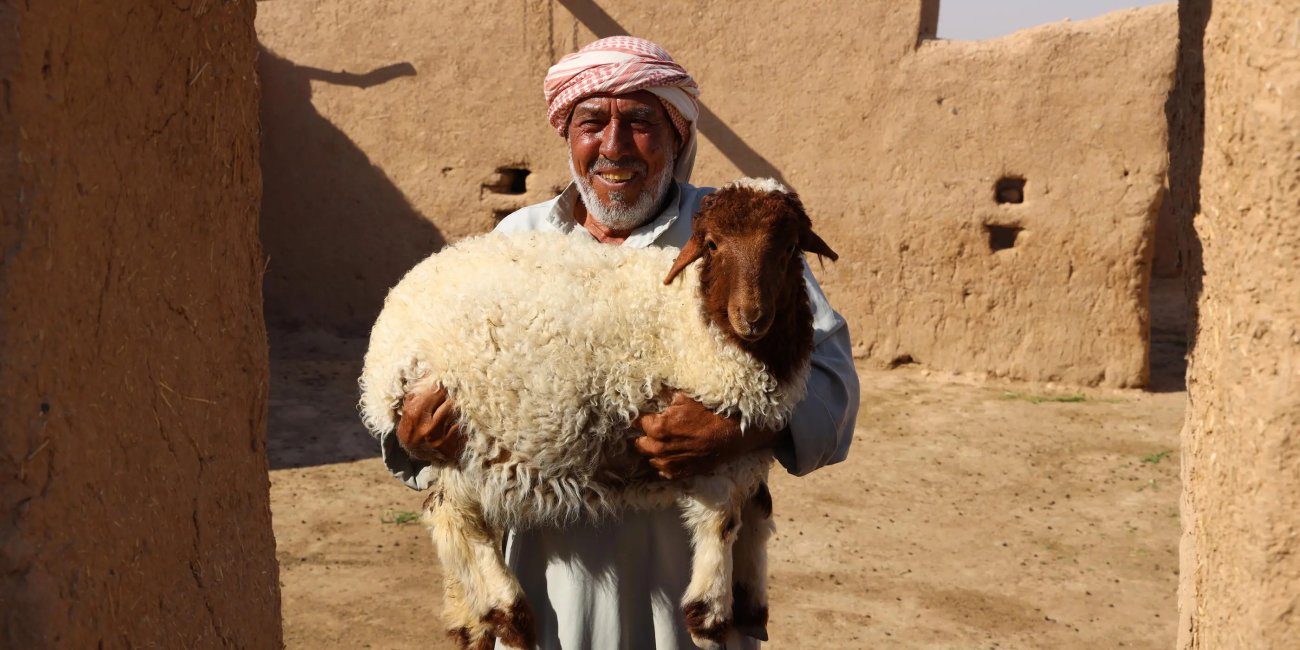
Last year, Abdullah Abed Abdullah lost most of his livestock as he could not afford to feed them. He and his family were surviving on bread.
"After my family, my sheep are the most important thing in my life," he said. It was early afternoon in July, and the temperature had climbed above 45°C in Gharah village, Al-Hasakeh governorate. Unfazed, Abdullah walked on and guided his flock across the vast steppe his family has called home for generations.
The flock is the family's only source of food and income. Years of insecurity, severe drought and soaring feed prices have threatened everything it provides.
Each lamb lost meant less milk for the family, fewer animals to replenish the flock and increasing pressure to sacrifice the very assets they depended on to survive.
Timely support from the Syria Humanitarian Fund (SHF), managed by the UN Office for the Coordination of Humanitarian Affairs (OCHA), to a Food and Agriculture Organization (FAO) initiative helped Abdullah’s family and many others across Al-Hasakeh, Ar-Raqqa and Deir ez-Zor.
FAO provided 500 kilograms of supplementary animal feed to more than 11,000 livestock-keeping households (66,400 people), supporting families to protect the productive assets they depend on for food security and livelihoods.
For Abdullah, the difference was immediate.
"Without the feed, my sheep would have perished," he said. "The feed helped the ewes produce milk, giving the newborn lambs a chance to survive."
Not Sacrificing Children's Needs
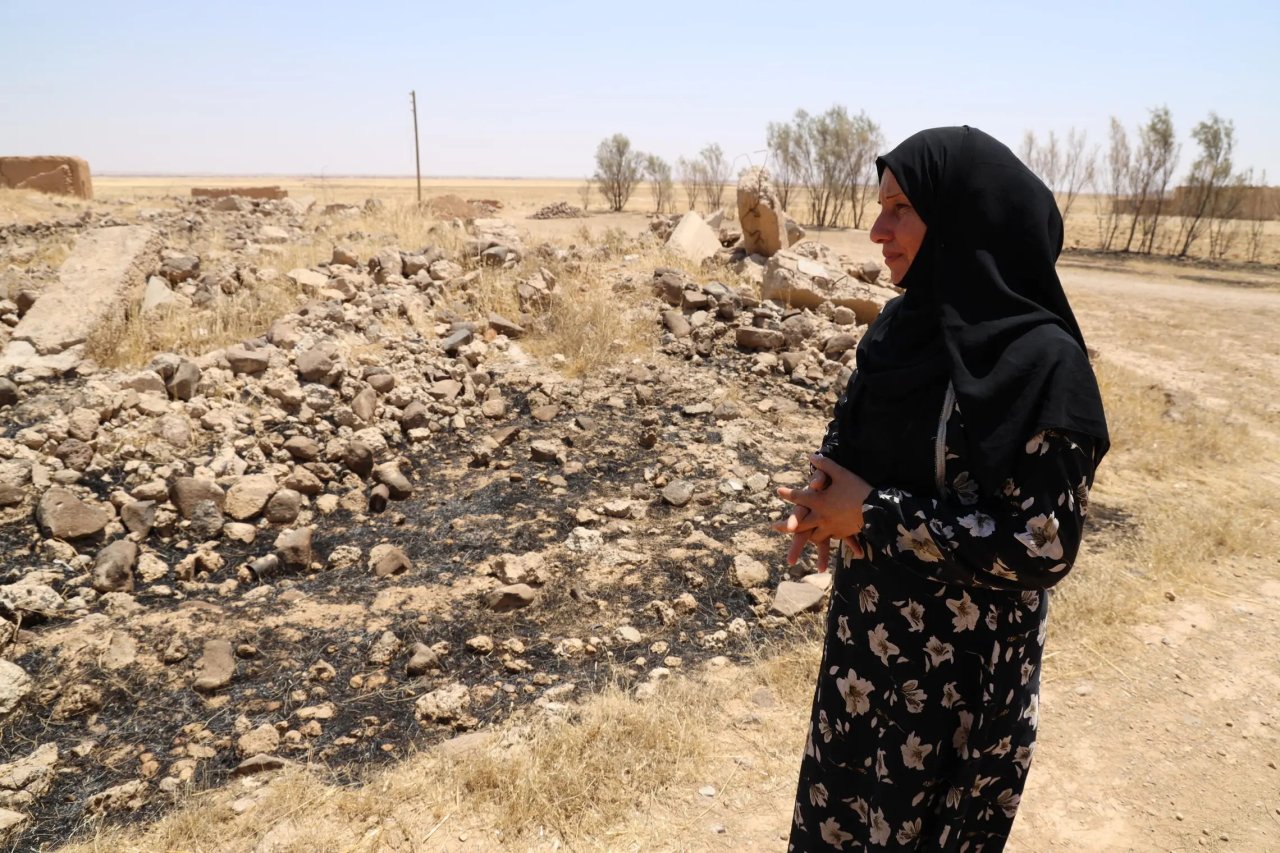
In the nearby village, Burg El-Jebour, Aminah Ismail had faced the same crisis. She returned from displacement to find her home destroyed, and soon after, her husband passed away.
"From that day, I became the only person my children could depend on," she said.
Today, her sheep are all she has to support her children.
"Last year, several of my sheep died from hunger," she said. "I don't want to relive this tragedy."
The FAO support came at a critical time and reduced the pressure to make painful choices.
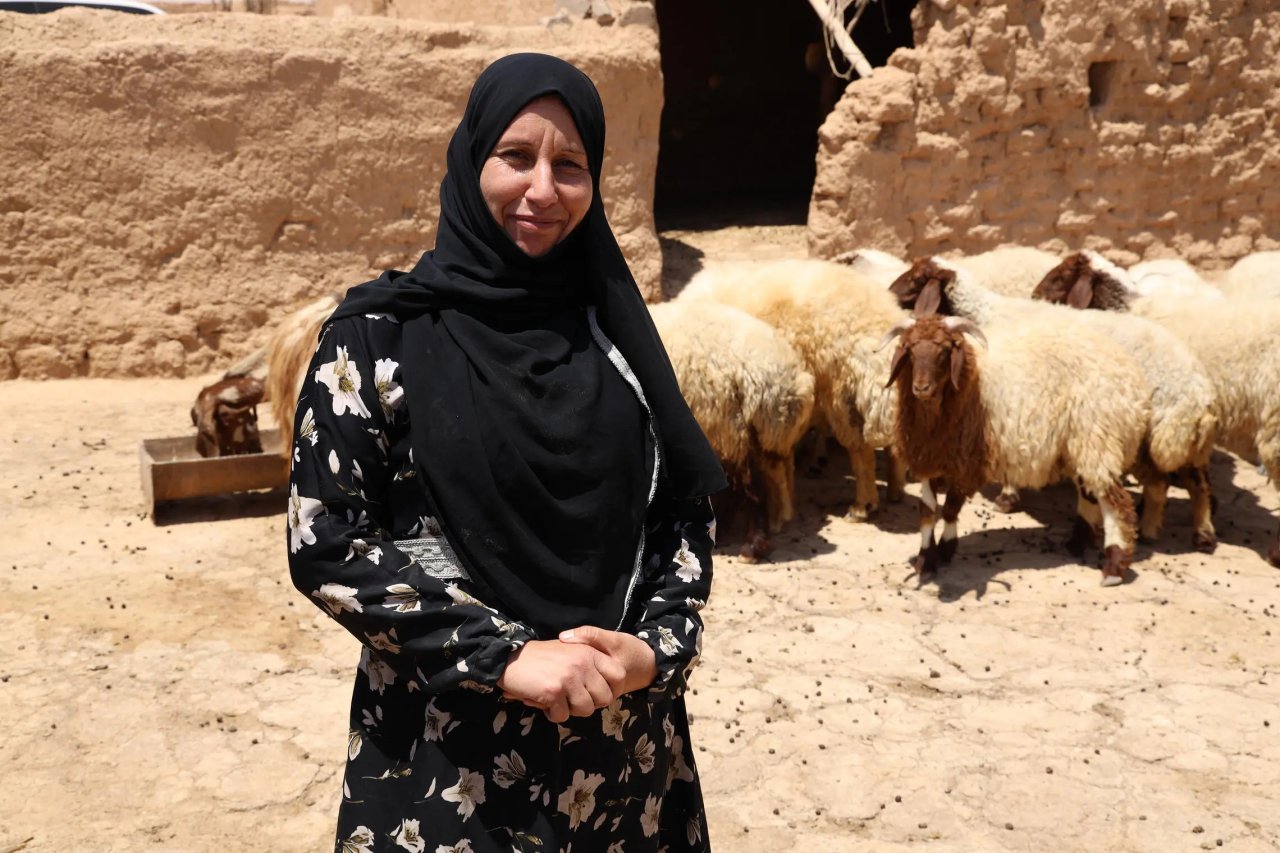
"Before the feed arrived, I was spending the little money I had on feed just to keep my sheep alive," she said. "The assistance meant I could protect my flock without sacrificing my children's needs."
Not Over the Hills Yet
Both Abdullah and Amina know the crisis is not over.
"The feed helped us through this difficult period," Abdullah said. "But all other livestock keepers in our village are facing the same challenges and still need this support."
According to Aminah, feed is only part of what families need.
"Feed protects our sheep today," she said. "But we also need veterinary medicines and vaccinations to keep them healthy in the months ahead."
For Abdullah and Aminah, as for thousands of families across northeast Syria, survival depends on the health of their flock. Through this emergency intervention, made possible by the OCHA-managed Syria Humanitarian Fund, families are protecting the livestock assets that sustain their food security and livelihoods.
Thanks to the generosity of its donors, the Syria Humanitarian Fund was able to support the FAO to reach these communities when they needed them most.
This story was originally published by OCHA. Please visit the UN team's website for more information about the UN's work in Syria.


