Nigeria: E-vouchers Support Families to Buy Food and Keep Local Markets Open
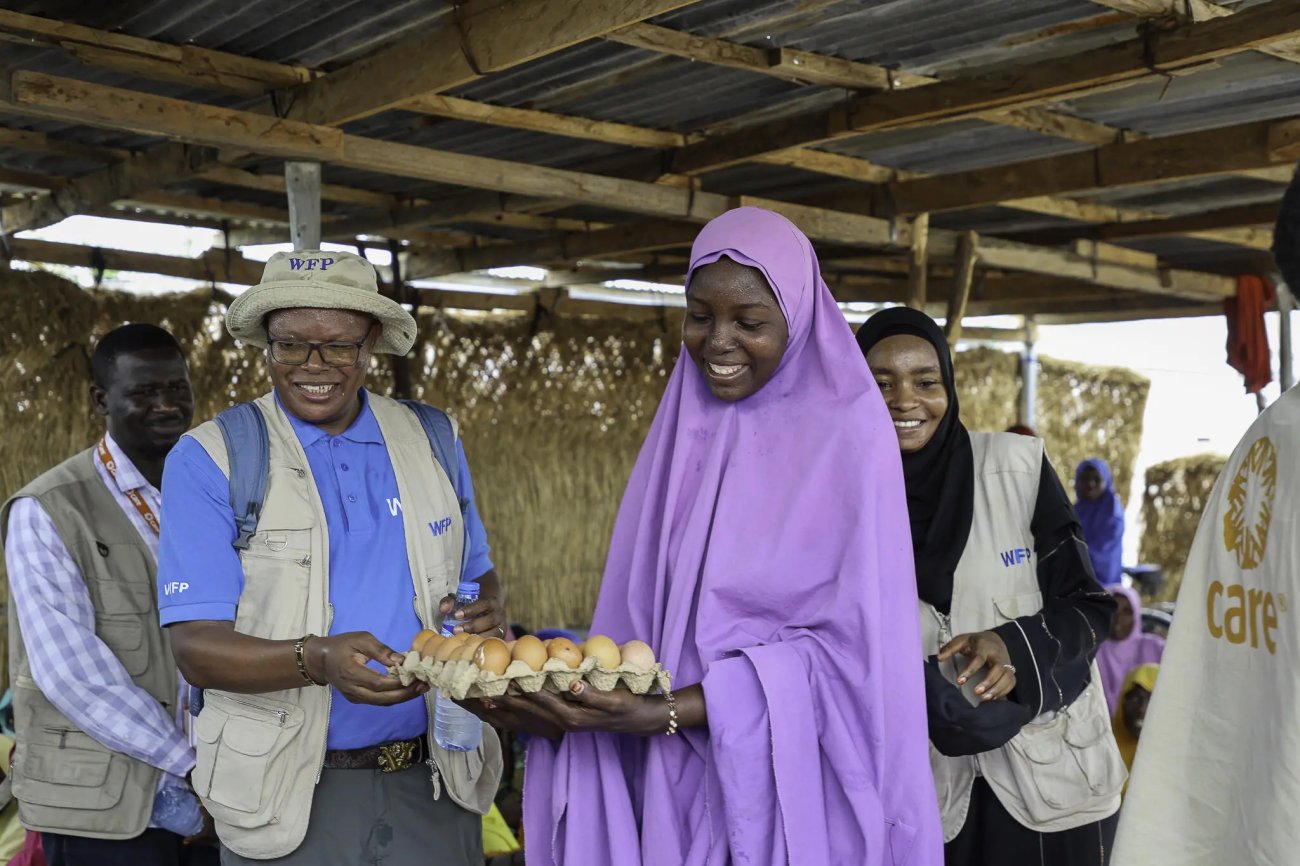
Inside a busy shop at the International Secondary School camp for internally displaced persons in Nigeria’s Ngala, Borno State, 28-year-old Falmata Usman paused over a simple choice of curry powder or eggs.
Raising two children at a displacement site, the decision mattered. Eggs meant more protein for her children.
"It makes me happy because I can decide what to buy," Falmata said. "I know what my children need, and now I have the opportunity to choose."
That choice is possible through the World Food Programme’s (WFP) e-voucher project, supported by the Nigeria Humanitarian Fund, managed by the UN Office for the Coordination of Humanitarian Affairs (UNOCHA). Each month, Falmata receives 30,000 Naira – about $22 – through WFP’s digital assistance card SCOPE. She can use it at accredited local shops to buy the food her family needs.
“There were times when I worried about how I would feed my children, especially during the lean season when food becomes scarce, and prices rise,” Falmata said. “But now, this support has eased that burden. As a mother, nothing is more important than knowing my children will not go to bed hungry.”
Five Years Away From Home
Falmata fled her hometown of Gamboru in 2021, searching for safety amid armed conflict and insecurity. Although the camp in Ngala is only 17 kilometres away, she has not been able to return home. For nearly five years, she has lived at the International Secondary School camp, raising her two children amid the uncertainty of displacement.
Years of hardship have taught Falmata the value of every Naira and every bag of food. As a mother striving to provide for her children with limited resources, each decision she makes carries the responsibility of keeping her family fed and secure.
In Ngala, many displaced families cannot safely return home or farm the surrounding fertile fields due to insecurity. With household food stocks low during the lean season, assistance remains essential for many families.
Across Borno, Adamawa and Yobe states, an estimated 6.4 million people faced crisis or worse levels of food insecurity during the June-to-August lean season, according to the latest Cadre Harmonisé analysis. Nearly half of them – more than 3 million people – were in Borno State.
More Choice, Better Meals
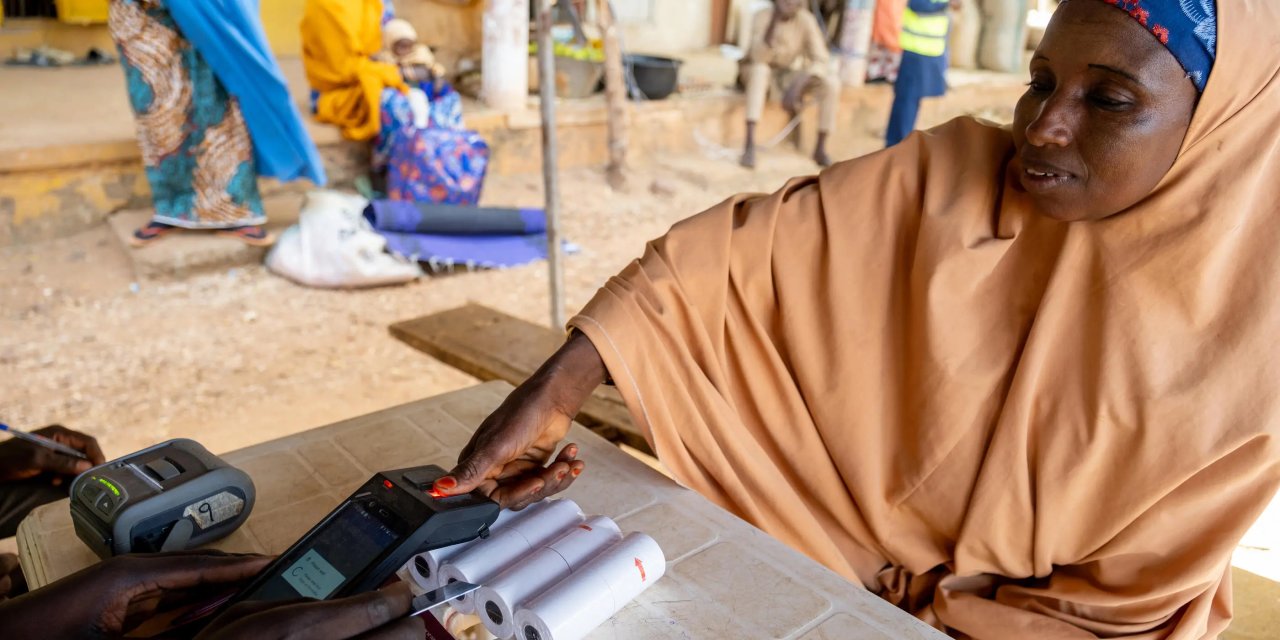
With a quick fingerprint scan, Falmata verifies her identity and begins choosing the food and household items her family needs most.
Unlike standard food distributions, the e-voucher allows families to make decisions based on their own needs, household size and food preferences.
More than 117,000 most-at-risk people in Ngala are receiving these monthly electronic transfers. Rather than receiving pre-selected food items, families use their cards to select items at any of the 39 WFP-accredited shops across the town.
For 62-year-old Ali Modu, the ability to choose food items that suit the needs of his household makes a significant difference.
"The voucher gives us flexibility," he said. "Sometimes we need more rice, sometimes more beans or vegetables. We can buy the foods we need most instead of receiving the same items every time. This makes it easier to care for our families."
Supporting Local Markets
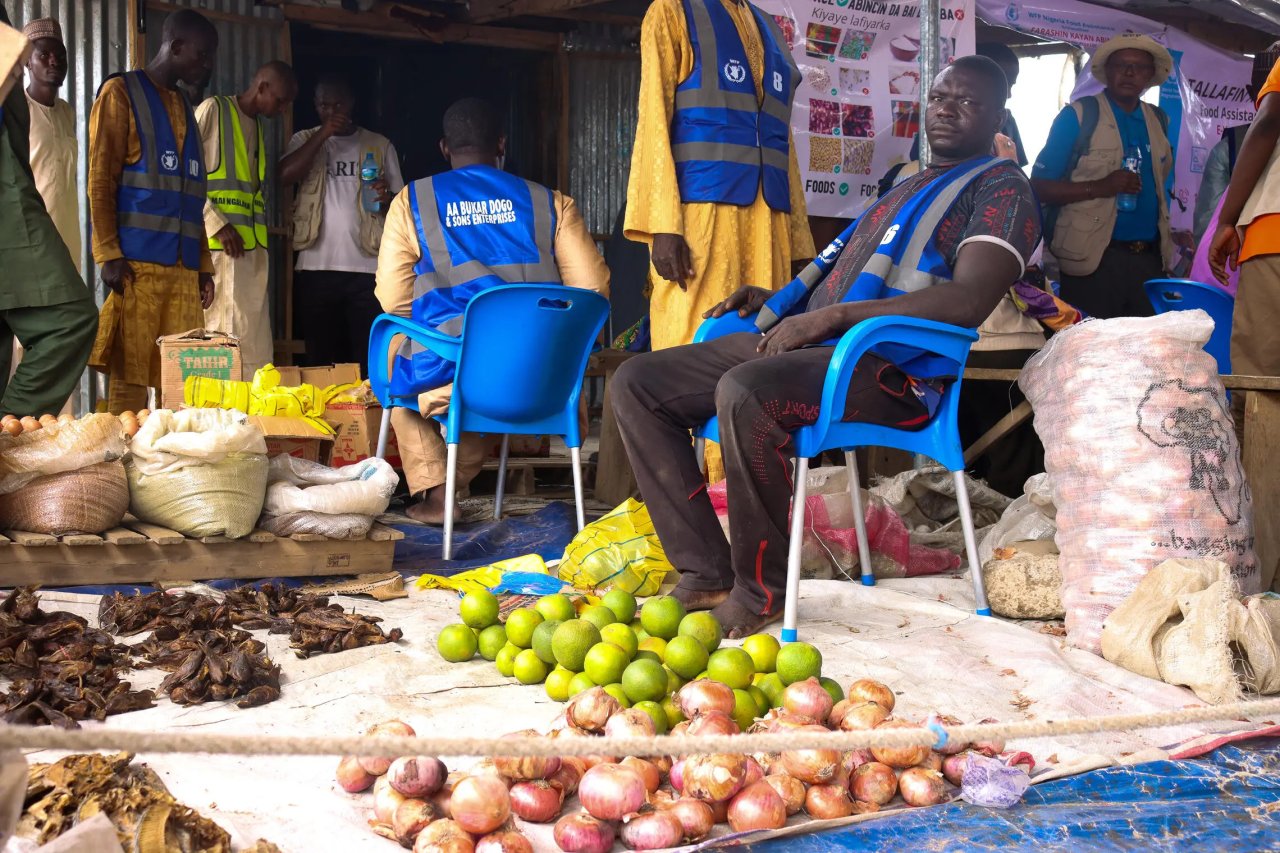
The programme also benefits local businesses, which now have a steady stream of customers and so can afford to transport more, better quality items into town when they are not available locally.
By purchasing goods through local retailers, families help generate demand for food and other essential items. This supports traders, creates jobs and encourages investment in businesses that serve both displaced persons and host communities.
According to Mustapha Mohammed, Chairman of the Registered Retailers Association in Ngala, the programme has contributed to business growth and employment opportunities in the town.
"Regular purchases through the e-voucher programme have brought stability to local businesses," he said. "Before the programme, only a few shops operated consistently and most employed just one or two workers. Today, some retailers employ more than 20 people to meet demand."
The increased commercial activity is particularly important in Ngala, where years of conflict disrupted markets, farming and other livelihoods and economic activities.
Supporting Communities
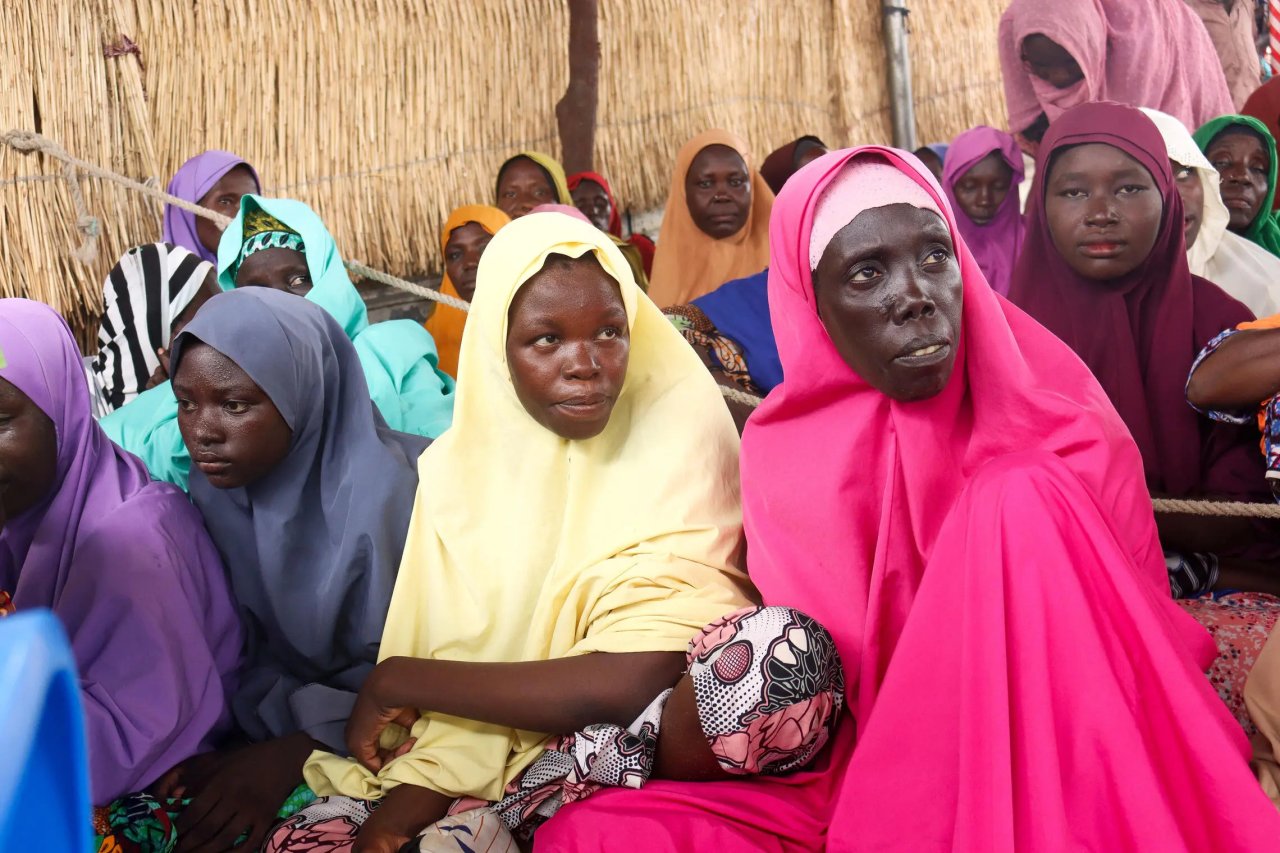
Ngala remains one of the most challenging operational environments for humanitarians in Borno State. Insecurity, poor road conditions and logistical constraints continue to complicate the delivery of assistance.
Using local traders and electronic transfers helps reduce some of those challenges. Assistance is delivered through existing commercial market systems, allowing families to access food closer to home while reducing the costs associated with transporting and distributing food commodities. It also reduces the associated costs and risks for humanitarian organizations of transporting goods via large convoys in insecure locations.
Needs Outpacing Resources
The WFP project aims to support more than 740,000 people over six months across 14 Local Government Areas in north-east and north-west Nigeria. It is one of 17 projects being supported through a $121.5 million Nigeria Humanitarian Fund allocation, made possible by funding from the United States. Three months into implementation, 700,000 people have been reached with lifesaving support, with the e-voucher scheme driving the fast pace of delivery.
But humanitarian needs across north-east Nigeria remain immense and are outstripping available funds.
Millions of people continue to face the combined effects of conflict, displacement, food insecurity, climate shocks, lack of access to protection and other services, as well as economic hardship. Many households have exhausted their coping mechanisms.
Without additional support, families like Falmata's risk losing access to critical food assistance and other essential services.
For Falmata, such support can mean the difference between hunger and survival.
"When I can choose the food my children need, I feel hopeful," she said. "This support helps us eat better and gives me confidence that I can take care of my family."
Thanks to the generosity of its donors, the Nigeria Humanitarian Fund is able to support WFP to assist these communities.
This story was originally published by UNOCHA. Please visit the UN team's website for more information about the UN's work in Nigeria.