The Most Important World Cup Win Won’t Happen on the Pitch
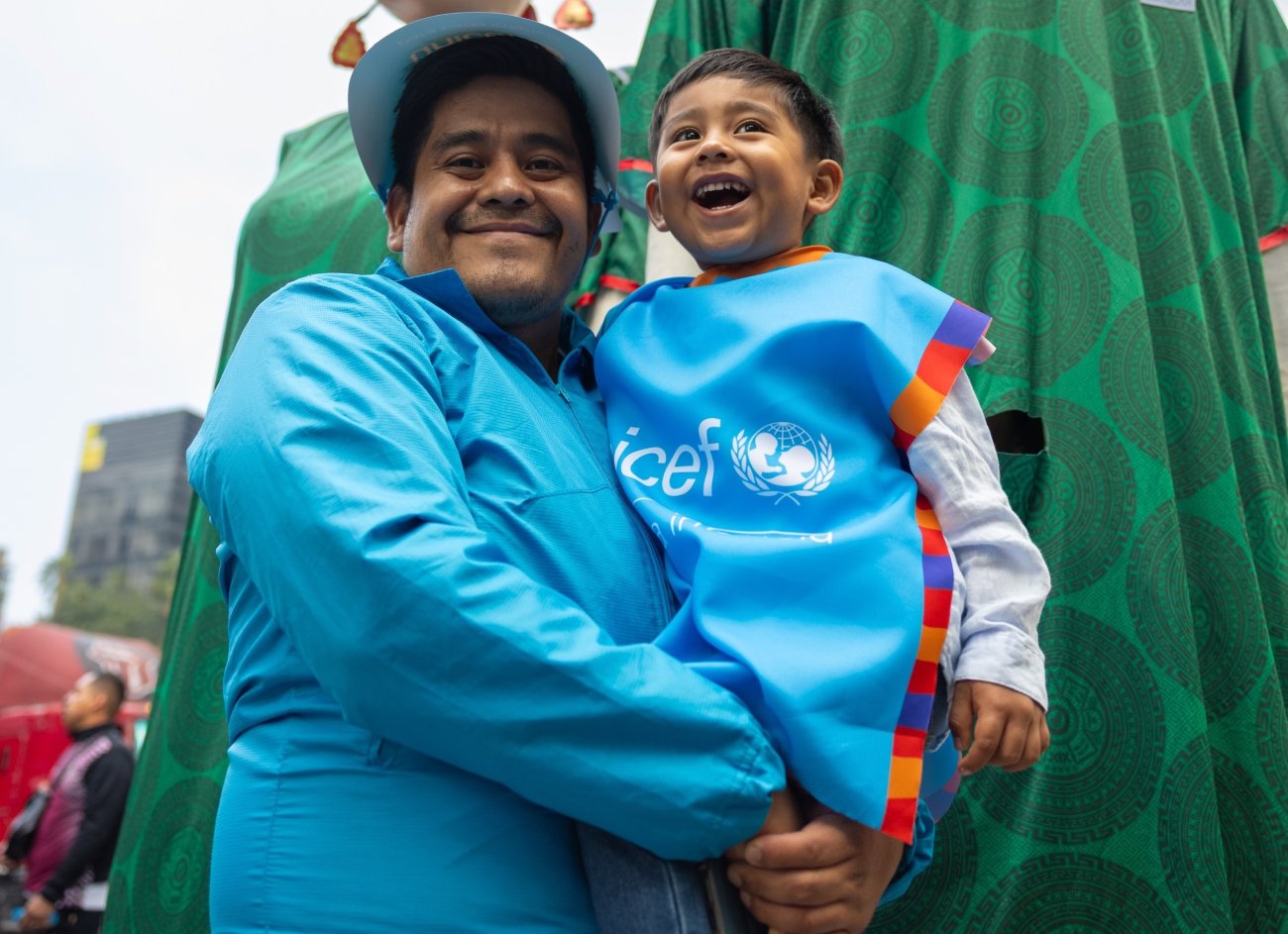
"When the World Cup ends and the cameras leave, something will remain that no scoreboard will show: a city that learned to look at mass events through the eyes of children. And I had the privilege of being part of it thanks to UN Volunteers and UNICEF." — Teresa Navarrete Reyes, UN Volunteer with UNICEF Mexico.
Before the Whistle
The World Cup ritual begins long before the first whistle. Excitement wakes you before your alarm, your face becomes a canvas painted in your country's colours, and for weeks, your national team's jersey feels like a second skin. Every match is an emotional rollercoaster — celebrating goals at the top of your lungs until your voice gives out.
But while millions are focused on the action on the pitch, another story unfolds beyond the stadium lights. Amidst packed streets, crowded fan zones and the energy of a global spectacle, children and adolescents can face heightened risks and greater exposure to violations of their rights.
Partnering with UNICEF
An estimated five million people have visited Mexico during the World Cup. During the euphoria and the crowds, the risk of children going missing, alcohol and drug use among minors, child labour and sexual exploitation, and domestic violence could rise significantly. These often overlooked challenges are being addressed by the United Nations Children's Fund (UNICEF) Mexico, together with the United Nations Volunteers (UNV). Let's see how.
Respecting Human Rights
For this World Cup, one principle guided the preparations: respect for human rights. As part of the planning process, local committees worked with national authorities to develop safeguarding plans aimed at protecting children and other vulnerable groups throughout the tournament.
UN Volunteers serving with UNICEF have provided technical assistance to the committees in the three host cities — Jalisco, Nuevo León and Mexico City — to ensure that prevention, protection and response plans fully integrate children’s rights.
Jalisco
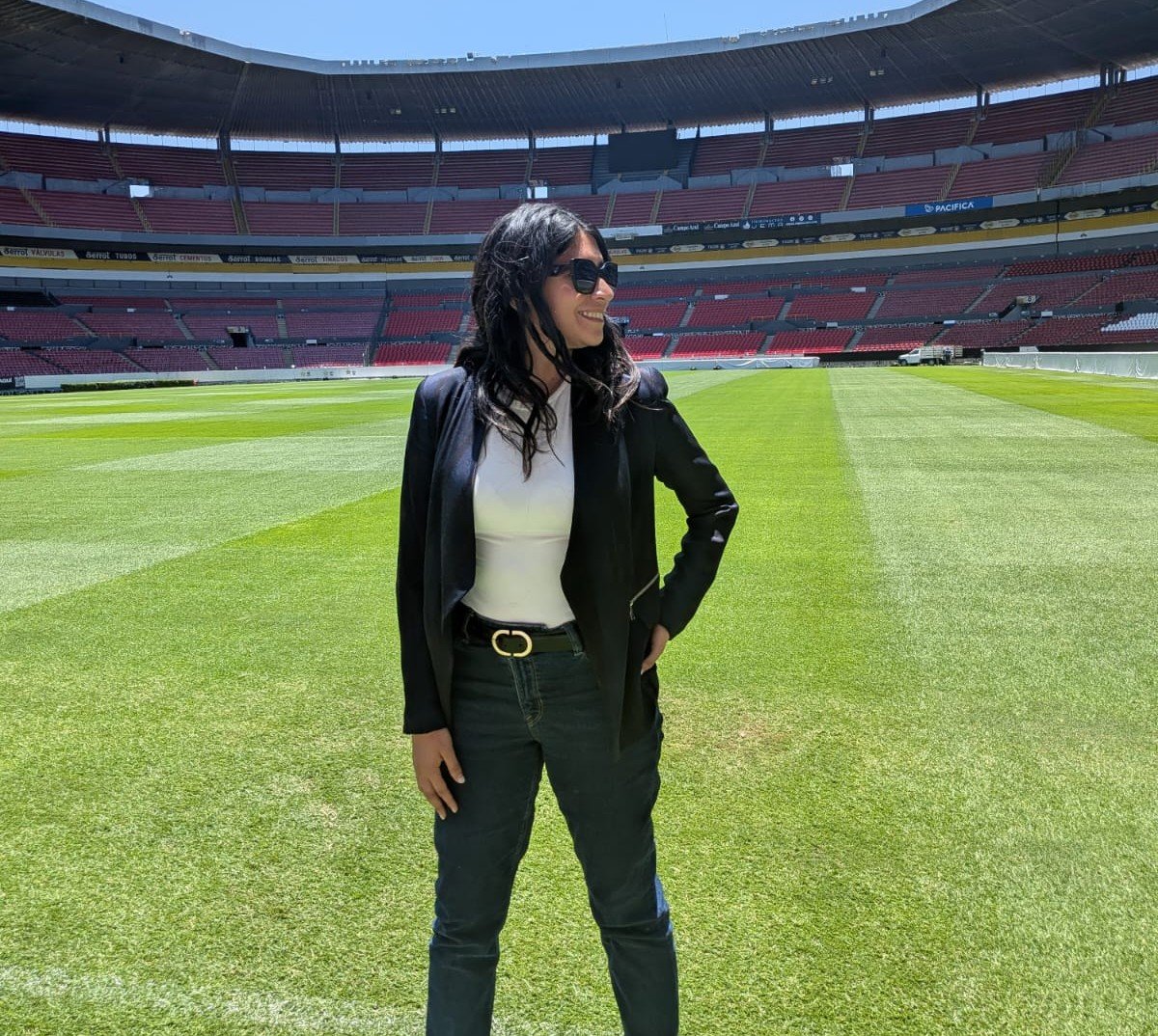
In the months leading up to the World Cup, Claudia González García, a UN Volunteer Associate for Children’s Rights, worked with various state institutions on their response plans for violations of children's rights. Together with the Attorney's Office for the Protection of Children and Adolescents and the National System for the Protection of Children and Adolescents (SIPINNA), she helped develop the protocol for detecting and addressing cases of child endangerment during the tournament.
Claudia explains:
“As part of the plans, we created an identification bracelet strategy: when entering the festivals, families receive bracelets for their children on which they write contact information and any medical conditions. It also involved training the people who would implement that response plan.”
The Blue Points
While the World Cup is underway, Claudia supports UNICEF's Blue Points, which form part of the Government's World Cup Points initiative. Located across FIFA Fan Festivals and Football Festivals, these safe spaces provide immediate assistance, psychosocial support, child protection and family reunification services.
“Yesterday we welcomed 35,000 people at the festival, and 20 cases of missing children and adolescents were reported. Thanks to the response protocols, all of them were reunited with their families,” she shares.
Laura Sánchez also supported plans for safeguarding children's rights as part of the team at the Centre for Sport and Human Rights (CSHR). She serves as Associate for Sport and Children’s Rights for UNICEF, sharing:
“We brought together the most important institutions to build a coordinated child protection response. Then we trained more than 1,500 officials to recognise risk situations and connect children and adolescents with the appropriate protection services.”
Nuevo León
People don't gather only in the stadium. The FIFA Fan Festivals are the meeting point for watching matches live, surrounded by music, food and cultural events. Fernando Contreras, a UN Associate Volunteer in Sport and Children’s Rights, says:
“Beyond advising the local committee, my work has focused on the Fan Festival in Monterrey. We expect thousands of people per day, so it was essential to provide training on how to respond to risks affecting children, but also women, people with disabilities, gender-diverse people and foreign nationals.”
Mexico City
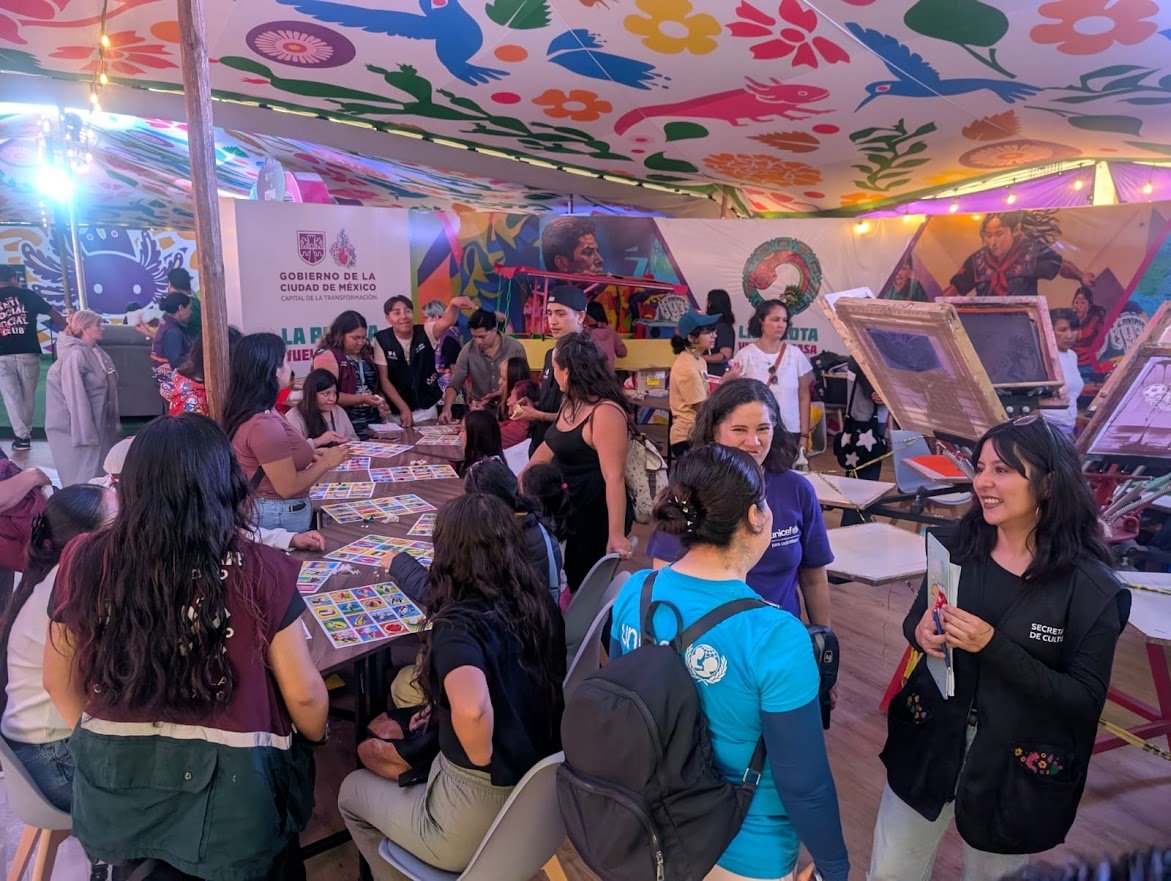
Teresa Navarrete Reyes supports the Mexico City Ministry of Tourism for the World Cup and the Colibrí Chiquitzin Strategy, a tourism programme in which the most vulnerable children and adolescents visit cultural and tourist heritage sites in the city. She is a UN Associate Volunteer in Children's Rights and also supports operations of UNICEF's Blue Points in Mexico City:
"In connection with the World Cup, we made technical recommendations for visits to sport venues — such as football stadiums — and trained tourism staff on safeguarding children's rights."
“It's a one-of-a-kind initiative, because it ensures a Social World Cup that belongs to children and adolescents, recognising their right to recreation, play and learning, so they can experience firsthand the cultural legacy this tournament will leave behind," Teresa adds.
Zero Tolerance
When tourists arrive at Mexico's airports, pass through metro, train or bus stations, or check into their hotels, they find messages on how to prevent, detect and report situations that put children and adolescents at risk.
Behind this strategy is Diego Saydel, a UN Volunteer Communications Support Officer, who helped design and implement two of UNICEF's largest communications campaigns in the country: Zero Tolerance – Blue Card, which addresses child sexual exploitation, and "Let the Party Be for Everyone," a campaign with UN Women, the UN Population Fund (UNFPA) and the Ministry of Women to prevent and report domestic violence during the event.
“We built partnerships with the hotel, tourism, transportation and tourist services sectors in Mexico City. For example, when tourists check into their hotels, their room key cards carry messages from the Zero Tolerance – Blue Card campaign," explains Diego.
The campaign also entered football's biggest stage. According to Diego, teams and high-profile figures from around the world championed the initiative, using the World Cup's global spotlight to raise awareness about protecting children and adolescents.
What if the World Cup’s Greatest Achievement was Child Protection?
For the UN Volunteers behind these efforts, the World Cup is about more than football. It is a chance to use the power of sport to make children safer and help communities build a lasting legacy.
As Laura Sánchez puts it, sport can bring people together, promote inclusion and create opportunities for positive change. But that change does not happen by accident.
"Every major sporting event should have a human rights plan," says Fernando Contreras.
The hope is that the safeguards put in place for this World Cup will not end when the final whistle blows. Instead, they can leave behind something even more important than the tournament itself: safer cities, stronger systems and better protection for children for years to come.
This story was originally published by UN Volunteers. Please visit the UN team's website for more information about the UN's work in Mexico.