Landing the Doha Political Declaration on Social Development
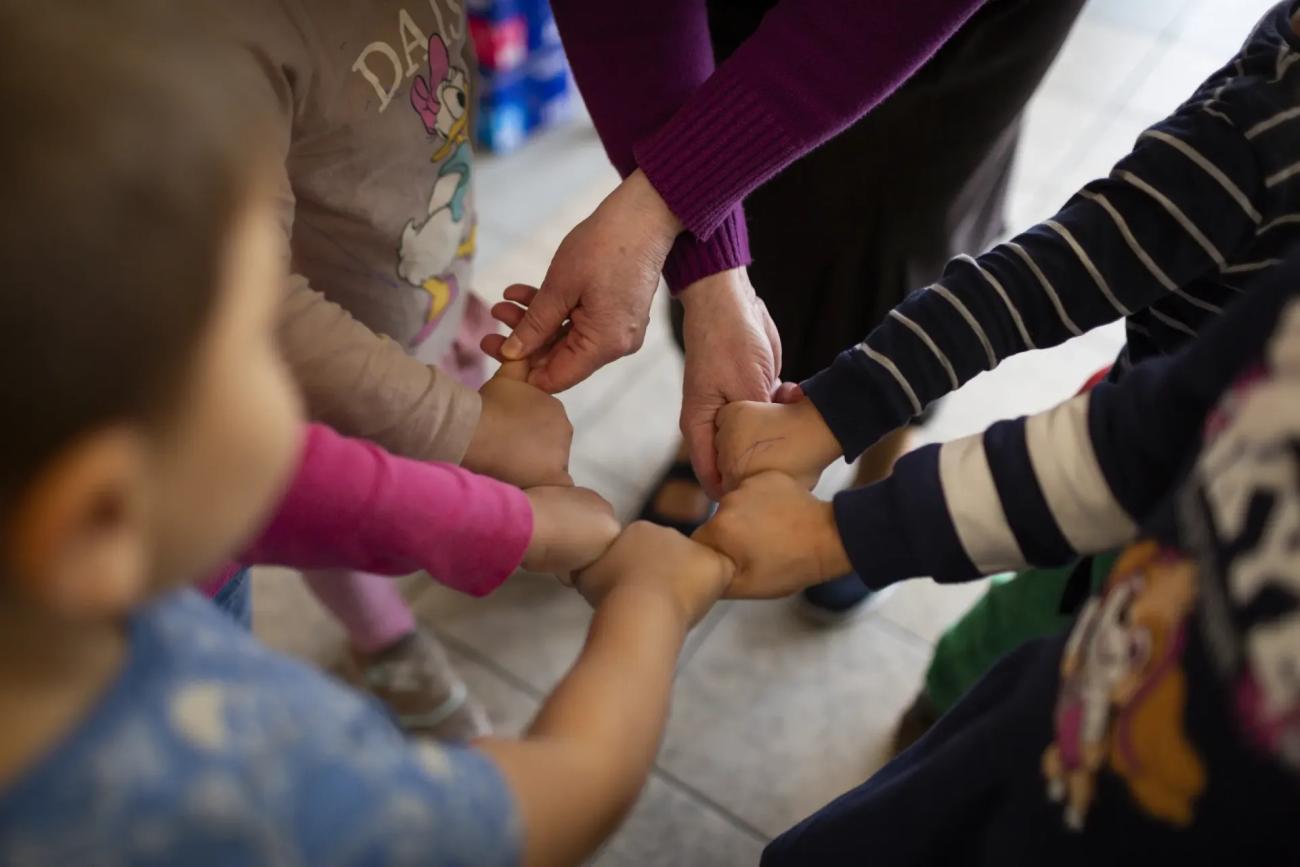
More than one billion people around the world live in acute multidimensional poverty. Tackling poverty is rarely simple, especially when deep-rooted inequalities shape people’s daily lives.
Access to healthcare does not help if women and girls are left out. A decent job means little if someone is working on an empty stomach. And economic progress cannot last if the most vulnerable are excluded from its benefits.
A recent milestone in global efforts to advance social development is the Doha Political Declaration, signalling world leaders’ commitments. This past week, at the Commission for Social Development, over 40 countries have worked together on how to turn this high-level commitment into tangible progress for people and communities on the ground.
What is the Doha Political Declaration?
Signed in November 2025 at the Second World Social Summit for Social Development, the Doha Political Declaration is a shared commitment by governments to advance equality, eliminate poverty, create decent jobs and protect human rights. The Declaration is an agreement that social development is a key aspect of peace, stability and sustainable growth. It also calls on the UN system and international financial institutions to improve their coordination and support for developing countries.
Why Does it Matter?
The Declaration is an update to the 1995 Copenhagen Declaration, adopted at the First World Social Summit. In the 31 years since, the world has changed dramatically, driven by technological advancements, the COVID-19 pandemic and global conflicts. The Doha Declaration builds on the 1995 foundation while addressing modern challenges, including a safe and equitable digital transformation. It represents a global, large-scale effort that brings social development to the forefront and establishes the Commission for Social Development as the main body responsible for reviewing progress.
What is Social Development in Practice?
UN teams on the ground, under the leadership of Resident Coordinators, are working with local and national partners to make social development a lived reality. This is achieved through stronger social policies that integrate poverty eradication with food security and decent work, as well as through greater investments that ensure infrastructure and livelihoods benefit marginalised communities and improve social cohesion.
The UN mobilises funding and partnerships to translate intention into action, notably through the Joint SDG Fund. The Fund has prioritised social protection and decent jobs, effectively transforming policies and pooling strategic investments. One such example has been in Albania, where an initiative supported by the UN Development Programme (UNDP), the UN Children’s Fund (UNICEF), the International Labour Organization (ILO) and UN Women addressed unemployment and gaps in caregiving services for the elderly by creating long-term care service models.
Under the leadership of the Resident Coordinator in Sierra Leone, the UN joined forces with the Government to implement a new health programme that provides services across all life stages, from birth to old age.
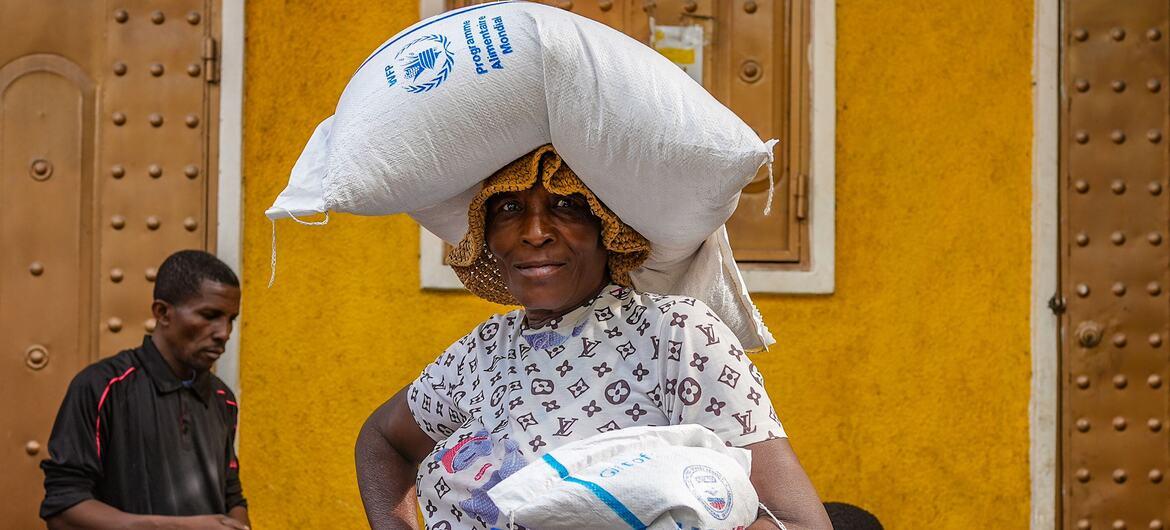
In Eswatini, and with support from the UN, the Government led efforts to help small businesses grow, providing a trusted certification process to ensure product quality and access to bigger markets.
The rights of women and children remain a focus of social development. In Uzbekistan, thanks to the Resident Coordinator pooling the expertise of 5 UN agencies, the country is beginning to see remarkable shifts with the passing of a new Social Insurance Law and the design of a new maternity insurance scheme that will cover women working informally.
In El Salvador, the Resident Coordinator led the UN in supporting a new policy that reduces the burden of care work on women. And Viet Nam has achieved a more inclusive education system for girls and students with disabilities.
The impacts of these programmes can only be scaled with sufficient investment, ensuring that no one is left behind. It signals that social development is not an afterthought for a sustainable future, but an engine for growth today.