How Young People are Building Their Own Futures
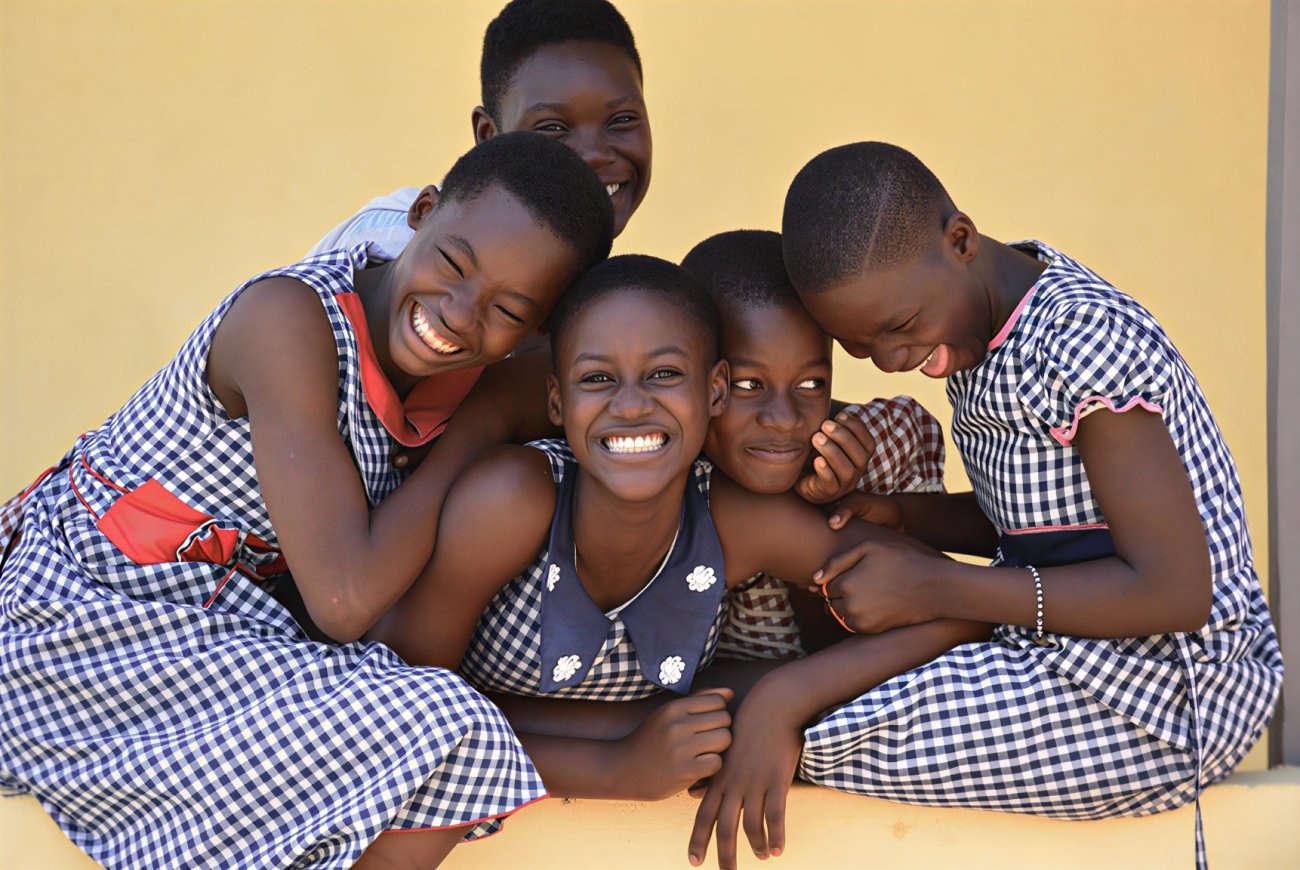
Facing interconnected global uncertainty brought on by regional conflicts, technological developments and inflation, young people must adapt to both their own national contexts and broader shifts in the world economy when seeking employment and economic growth.
Youth Skills Day is a reminder that with the right support, this generation is proving ready to lead by establishing enterprises, mastering new technologies and adapting quickly to changing markets.
But unlocking potential takes more than teaching a skill and hoping a job follows. Young people thrive when coordinated investment connects skills development to employment, entrepreneurship, social protection and inclusive prosperity.
Making this possible starts with:
- Governments that put youth at the centre of national strategies and roadmaps
- Legal frameworks that protect their rights
- Genuine opportunities for them to help shape the decisions that affect their futures
- Training that responds directly to what labour markets need
- Partnerships strong enough to turn classrooms into careers
The UN and Joint SDG Fund are supporting countries to build skills systems that work, economies that make room for youth and futures young people can step into confidently.
Kenya: Building the Digital Skills for Tomorrow's Economy
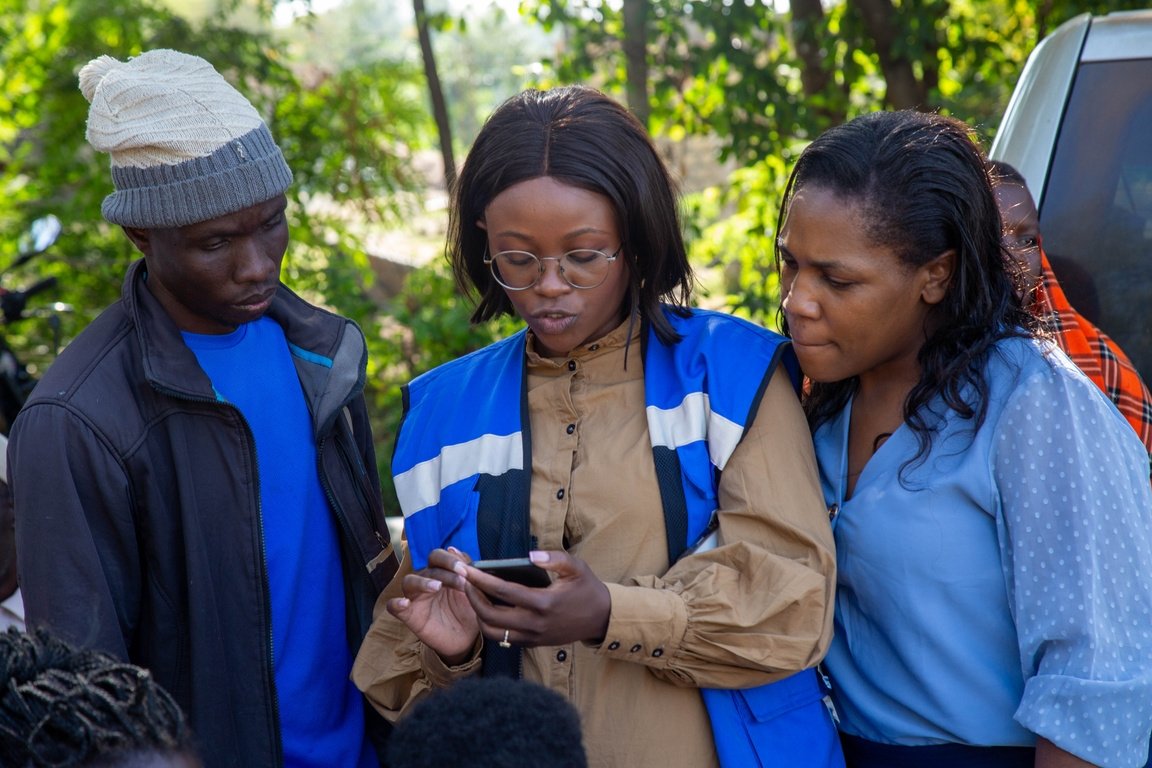
Kenya is turning digital transformation into measurable opportunity for young people. Through the Digital Platforms Kenya (DigiKen) joint programme, implemented by the UN Educational, Scientific and Cultural Organization (UNESCO), UN Capital Development Fund (UNCDF), UN Women and UN Environment Programme (UNEP), 15 Digital Innovation Hubs across 12 counties are equipping women and youth with practical digital skills, entrepreneurship training, media and information literacy, and hands-on experience with emerging technologies including artificial intelligence. Forty-five newly qualified Trainers of Trainers are helping the programme reach its target of 7,500 young people and women.
The impact extends into Government too. The UNESCO-Oxford Massive Open Online Course on AI and Digital Transformation, delivered through the Kenya School of Government, has already enrolled more than 2,600 public sector learners, with a target of 20,000 by 2027, building the digital and AI leadership Kenya's institutions need to sustain an inclusive digital economy.
Their stories point to a bigger truth. When young people have equitable access to connectivity, digital technologies, quality education and lifelong learning opportunities, digital transformation becomes a direct engine for realising their rights and unlocking their potential in a rapidly changing world.
Albania: When Skills Become a Pathway to Dignity and Decent Work
Across Albania, the Lifelong Empowerment and Protection (LEAP) programme is turning vocational training into lasting economic independence. To date, more than 615 people have completed vocational training, 120 women and young people have moved into employment in tourism, hospitality and care services, over 490 households have received economic support and more than 170 care and social service professionals have strengthened their skills.
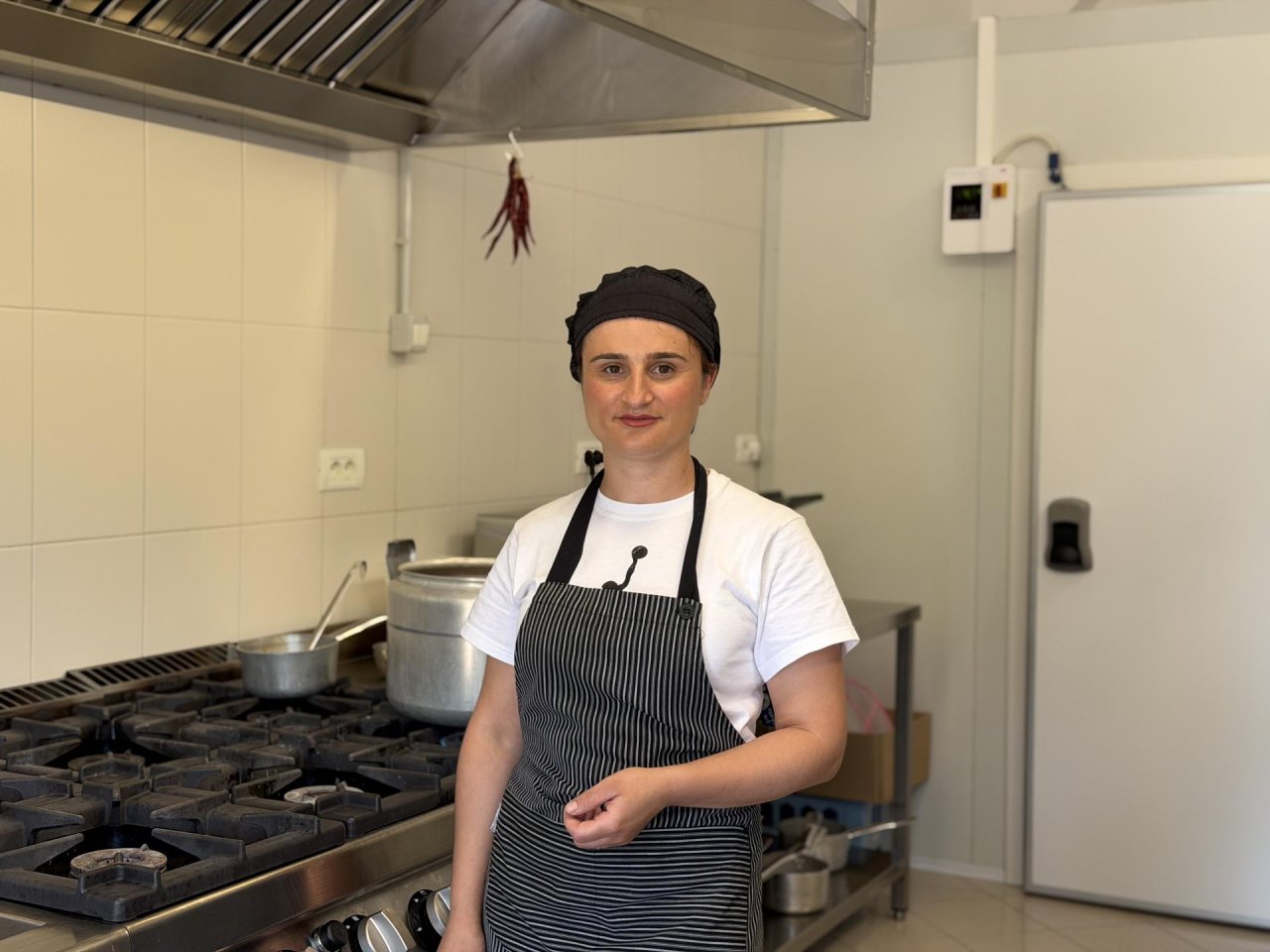
At 29, Altina Paloka completed a culinary course, secured an apprenticeship and was later offered full-time employment.
"The course gave me confidence and helped me find a job that I enjoy," she says. "I learned many things I never knew before, from traditional dishes to modern cooking techniques."
Altina is one of 56 women and men who completed training in Lezha alone, part of a wider group of women the programme has supported in moving from the margins of the labour market into decent work.
By combining certified vocational training with digital and soft skills, career guidance, apprenticeships and direct partnerships with local employers, LEAP is proving that closing skills gaps and creating real employment pathways go hand in hand.
The strength lies in connecting training directly to opportunity, giving people who have long faced barriers to employment not just new skills, but a genuine route into the workforce.
Colombia: Turning Connectivity Into Opportunity
Colombia's young people are online. Nearly 92 per cent use digital platforms to connect socially, yet just 46 per cent use them to learn and only 9 per cent to search for a job or apply for one, according to data from the International Telecommunication Union (ITU).
Programmes like SENATIC have already shown what's possible, training more than 200,000 people, 51 per cent of them women, proving the country can build digital talent at scale.
The challenge now is turning that talent into real economic opportunity, especially in the Pacific and Caribbean regions, where weaker infrastructure and fewer employers hold young people back.
The Inclusive Digital Transformation Facility (IDTF), supported by the Joint SDG Fund and the European Union, is closing that gap. The programme connects young people with digital entrepreneurship, employability, civic participation and innovation ecosystems, running through October 2027 as part of the EU's Global Gateway strategy and the UN's Global Digital Compact.
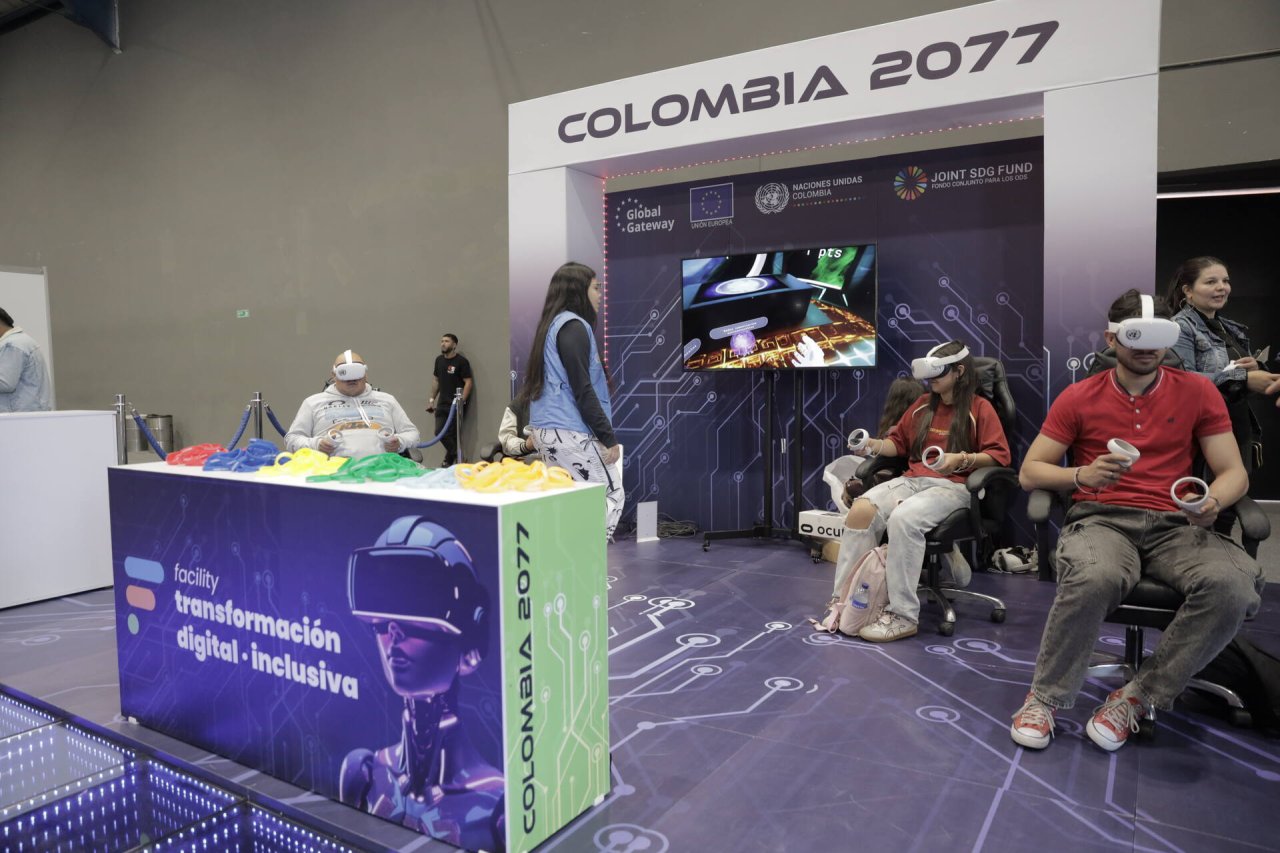
That work is already visible on the ground. At Colombia 5.0, the country's flagship digital transformation summit, young people stepped into a virtual reality experience called "Colombia 2077," envisioning what an inclusive digital society could look like and debating how to close the divides shaping the present. At BizFest Cali, young entrepreneurs from across the Pacific region mapped concrete pathways into digital employability, entrepreneurship and policy influence, working directly alongside the UN Population Fund (UNFPA), International Labour Organization (ILO) and international partners.
As youth activist Lali Fernando Riascos put it, connectivity alone was never the goal. Real change involves pairing internet access with the education and opportunity that let young people put it to use.
Digital inclusion is more than access. It also means ensuring young people have the skills, networks and opportunities to shape the digital economy themselves.
Investing in Young People Means Investing in Sustainable Development
Across Albania, Kenya, Colombia and more, the stories are different, but the throughline is the same.
When young people are given real skills and real opportunities, they don't just find jobs. They build businesses, strengthen their communities and reshape what's possible for the people around them.
The future of work is changing fast. Digital transformation, climate action, demographic shifts and technological innovation are reshaping labour markets in every region, and young people are not waiting on the sidelines to see what happens next.
They are already adapting, innovating and stepping into roles that didn't exist a generation ago.
Note:
All joint programmes of the Joint SDG Fund are led by UN Resident Coordinators and implemented by the agencies, funds and programmes of the United Nations development system. With sincere appreciation for the contributions from the European Union and Governments of Belgium, Denmark, Germany, Ireland, Italy, Luxembourg, Monaco, the Netherlands, Norway, Poland, Portugal, the Republic of Korea, the Kingdom of Saudi Arabia, Spain, Sweden, Switzerland and the Arab Gulf Programme for Development for a transformative movement toward achieving the SDGs by 2030.
This story was originally published by the Joint SDG Fund.