How a Farmers' Cooperative Helped Eunice Gondwe Rebuild her Life in Malawi
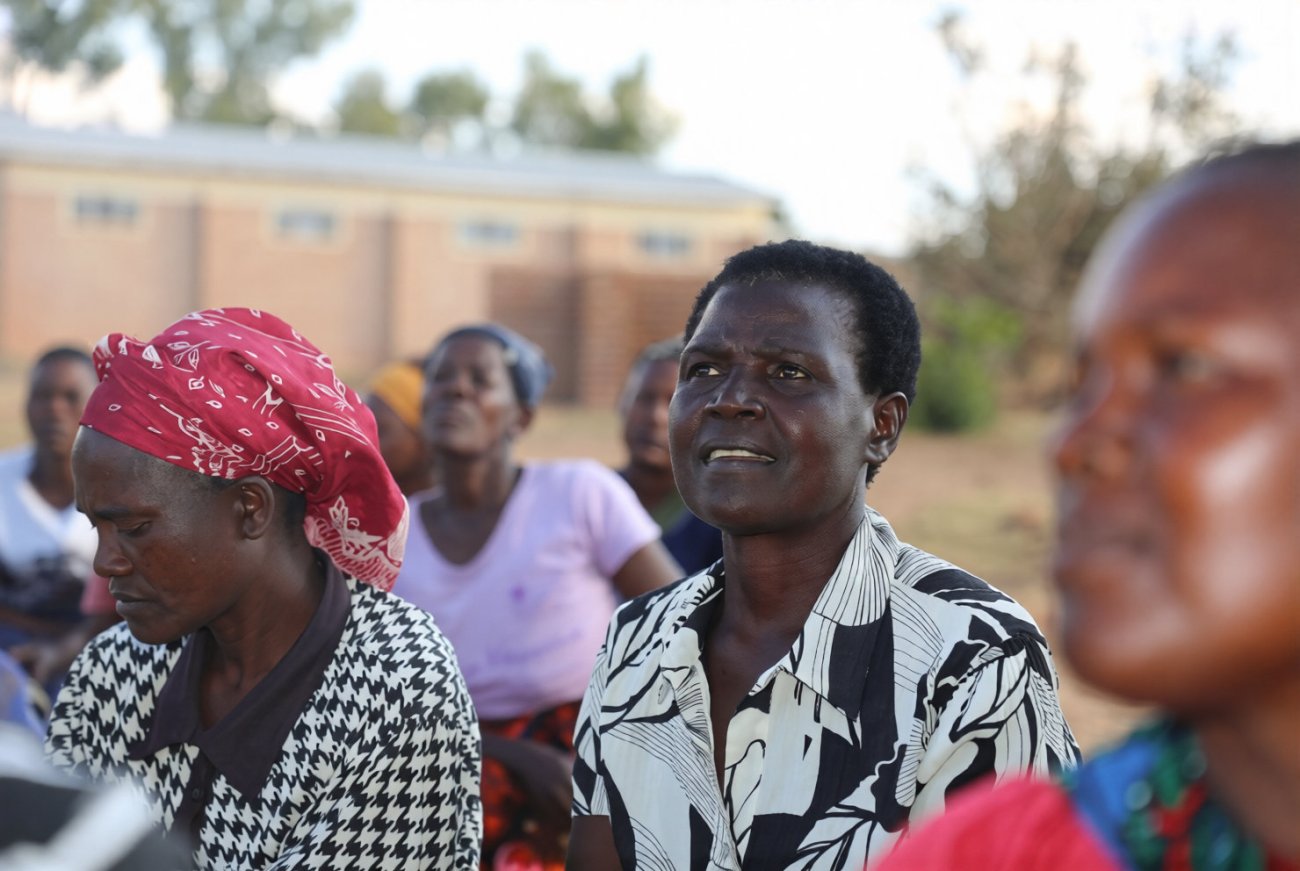
This story was published in observance of the International Day of Rural Women, commemorated on 15 October. Women are responsible for half of the world's food production, yet face persistent barriers and discriminatory social norms that prevent them from growing their agricultural practices. In Malawi, the UN is working with a farmers' cooperative that supports members to improve production, strengthen household decision-making and become more resilient to economic and climate pressures.
In the rolling fields of Mzimba District in northern Malawi, 60-year-old Eunice Gondwe walks through her two acres of soybeans with renewed hope. For the widowed mother of four, farming is no longer simply a means of survival. It is helping her rebuild a future that once seemed out of reach.
When Eunice’s husband passed away in 2013 following a year-long illness, life changed dramatically. The family had spent its savings on medical expenses, leaving little to sustain the household.
“As a family, we used to grow soybeans, maize and groundnuts,” Eunice recalls. “But even when we harvested enough, finding a reliable market was always a challenge.”
The responsibility of caring for four children fell entirely on her shoulders. With limited income, Eunice faced difficult choices. Three of her children eventually left school because she could no longer afford the associated costs. For years, she struggled to provide food, clothing and school supplies while trying to earn a living from farming.
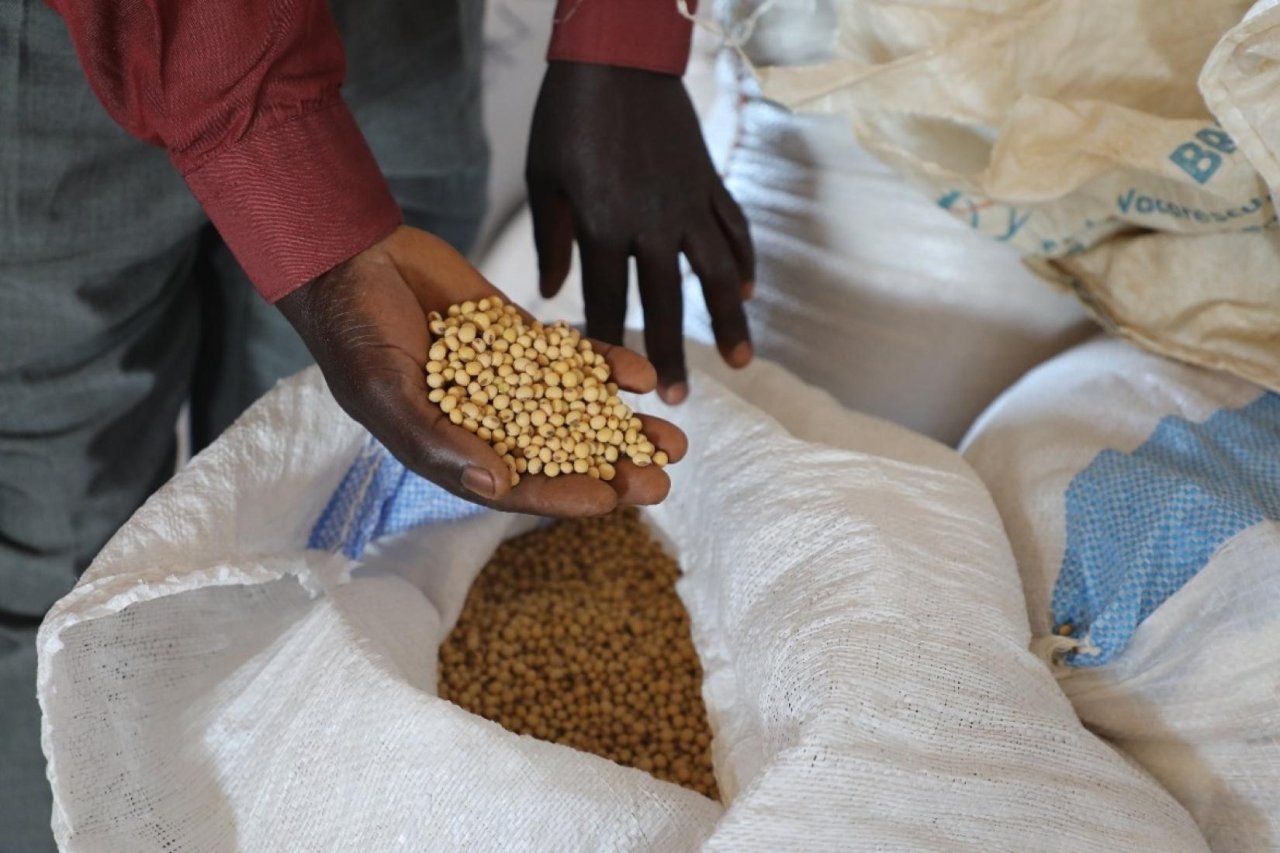
In 2023, Eunice joined the Chindindindi Farmers’ Cooperative in Mzimba. The cooperative brings together smallholder farmers to improve production, access markets and strengthen their livelihoods. It now has 210 members, including 120 women, and has helped turn farming from an individual struggle into a collective enterprise. Members can access agricultural training, village savings and loans, improved farming techniques and reliable markets for their produce.
For Eunice, the support came at the right time. Through the cooperative, she gained access to buyers secured collectively by its members. Instead of spending weeks or months searching for a market, she can sell her produce more quickly and at competitive prices.
“The biggest change for me has been knowing that there is a market for what I produce,” she says. “I can sell faster and earn income when I need it.”
Eunice also joined the cooperative’s Village Savings and Loans activities, giving her access to savings and financial support that had previously been unavailable. This has helped her manage household expenses and plan more confidently for the future.
The cooperative receives support through the United Nations joint programme Accelerating Employment Creation and Social Protection through Integrated Agriculture Value Chain Development. Implemented by UN Women, the International Labour Organization (ILO) and the Food and Agriculture Organization (FAO) in partnership with the Ministry of Agriculture, the programme contributes to Malawi’s work under the Global Accelerator on Jobs and Social Protection for Just Transitions.
With support from the Joint SDG Fund, farmers’ cooperatives and organizations across Mzimba, Dowa and Mzuzu are receiving training in climate-smart agriculture, fish farming, conservation agriculture, agroforestry, value addition, market research, household visioning and gender-responsive agribusiness. The support is helping farmers improve production, strengthen household decision-making and become more resilient to economic and climate-related pressures.
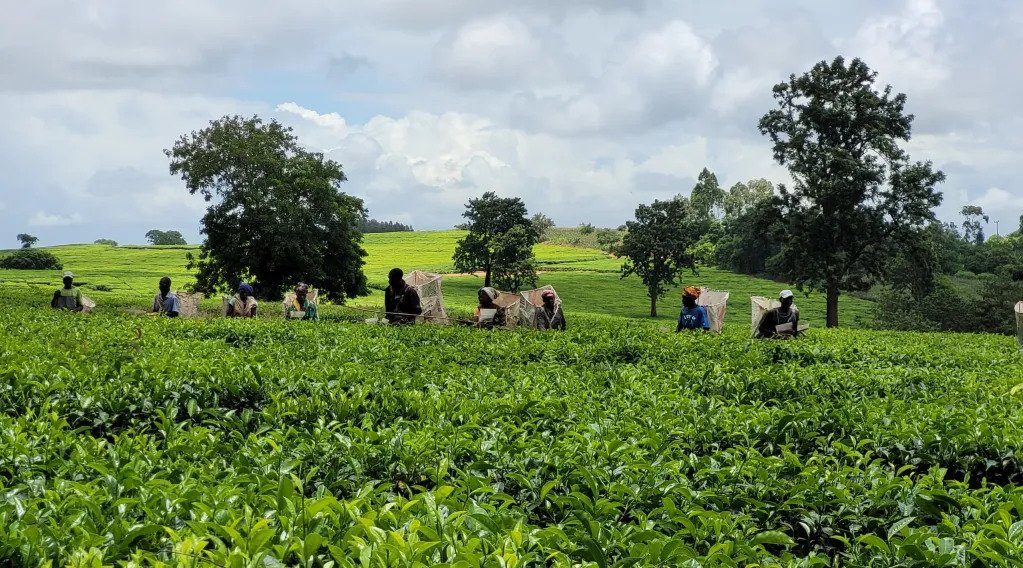
Eunice’s circumstances are now beginning to change. The income she earns from soybean farming has enabled her to keep her youngest child in school. Her son recently sat for the Junior Certificate of Education examinations, a milestone that fills her with pride.
“I hope to see my youngest child complete school,” she says. “I don’t want him to face the same challenges as his older siblings, who had to stop their education because I couldn’t afford the costs.”
For Eunice, education represents opportunity, dignity and the possibility of breaking the cycle of poverty. Her experience reflects a wider transformation within the cooperative. Members have used their farming income to improve their homes, purchase livestock and equipment, start transport businesses and invest in agricultural inputs. Climate-smart practices and stronger market connections have also helped the cooperative increase soybean production.
Yet Eunice measures progress in simpler terms. Her greatest achievement is knowing that her family’s future looks brighter than it did only a few years ago. Every bag of soybeans she harvests represents another step towards stability, independence and the hope of seeing her child succeed.
This story was originally published by the UN team in Malawi. Please visit the UN team's website for more information about the UN's work in Malawi.