How Can we Make the Internet Safer for All?
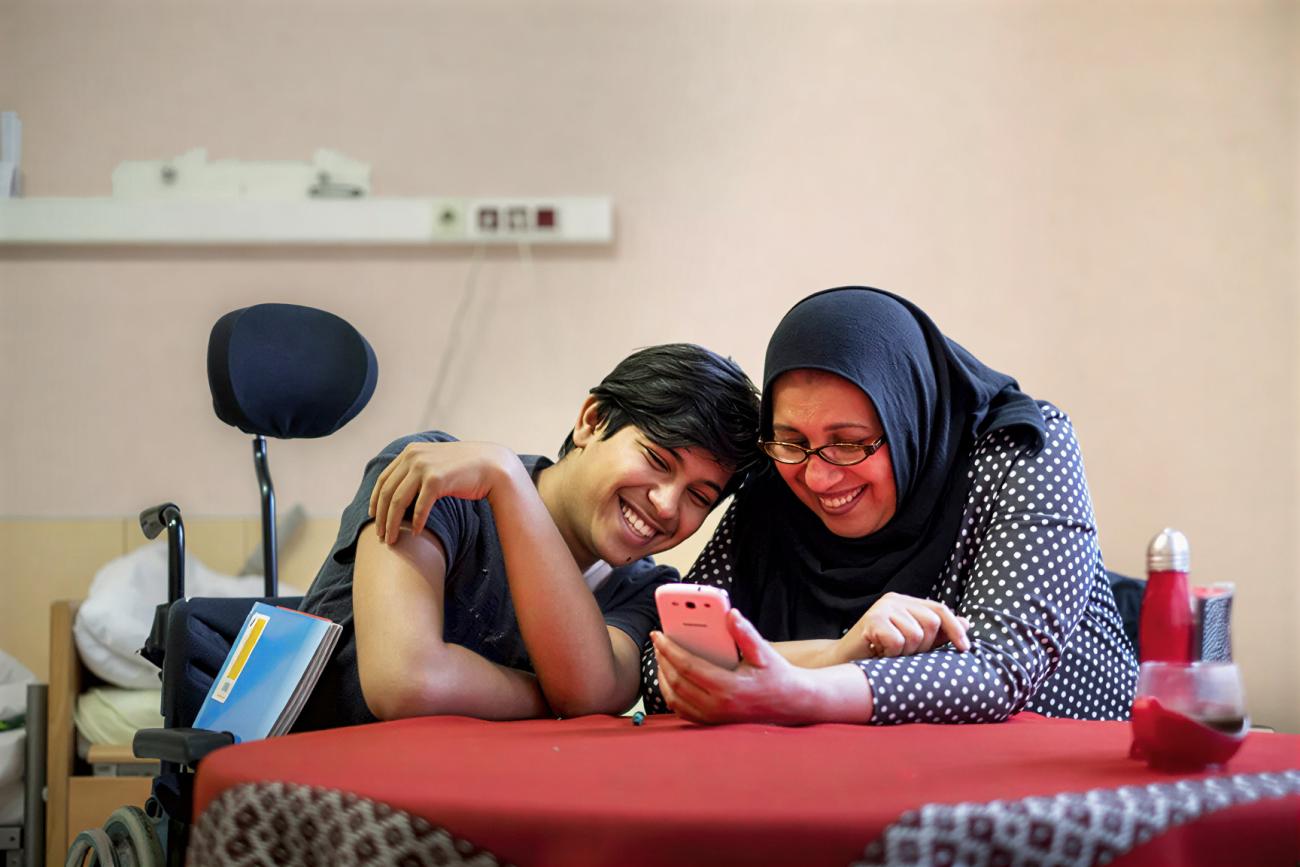
Twenty years ago, in many parts of the world, misinformation spread slowly as gossip. It travelled by word of mouth, appeared as a mistaken newspaper headline, or arrived as a clumsy text tapped out on a flip phone. It was generally local, limited and relatively easier to correct.
Yet, with times changing, misinformation, disinformation and hate speech have become weapons to prise apart communities. The content that goes viral is oftentimes virulent. Artificial intelligence is increasingly distorting reality and shaping local and global narratives. The UN Global Risk Report 2024 lists mis- and disinformation as the third most serious global risk according to over 1,000 experts in more than 130 countries.
Safer Internet Day recognises that Internet safety is everyone’s imperative. The UN is engaging local communities, national policymakers and partners to adapt to our changing online reality and ensure that a thriving Internet comes with useful guardrails. Whether it means drafting policies with national governments or engaging communities on the ground, UN teams are working to ensure that no one is a victim or unintentional perpetrator of disinformation.
An analysis by the UN Educational Scientific and Cultural Organization (UNESCO) and market-research firm IPSOS revealed that 67 per cent of Internet users across 16 countries have witnessed hate speech online, rising to 74 per cent for those younger than 35.
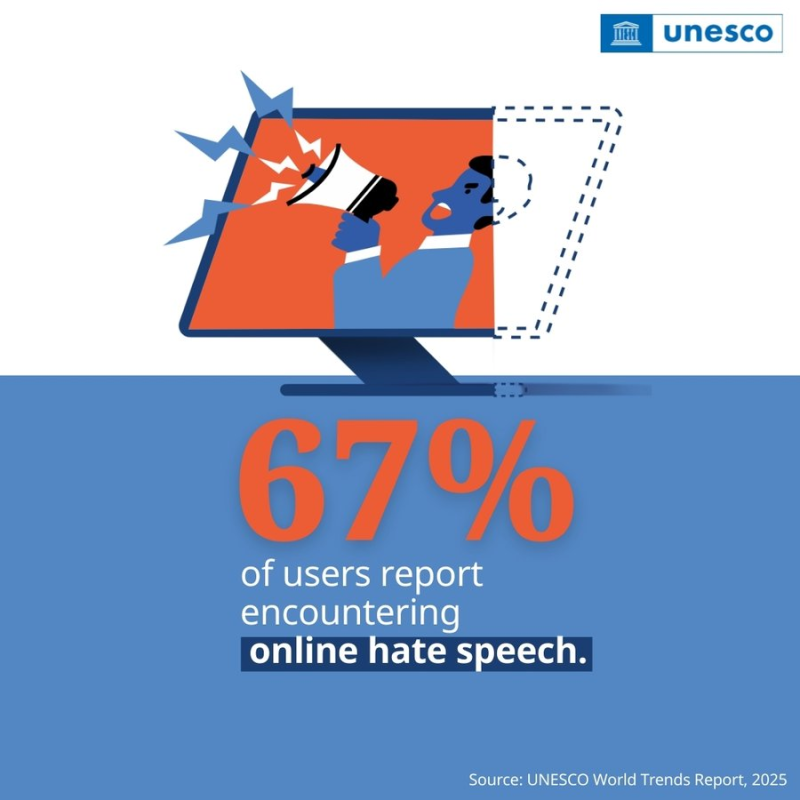
As part of the 6 billion people online, we all have a part to play in making digital spaces safer today and every day, including for women, children and marginalised communities.
Based on the UN’s work’s on the ground across 162 countries and territories, here are five ways by which we can make the Internet safer for all:
👩🏻🏫 Start Early in Schools and Communities
Equip children and teachers to recognise, challenge and report hate speech, misinformation and disinformation.
In Peru, the UN team engaged educational institutions in Arequipa, where over 900 students learned more about media and information literacy. This focus on education was also central in Sri Lanka, where the UN Children’s Fund (UNICEF) trained nearly 1,200 teachers and 4,700 parents on positive discipline. This engaged more than 10,000 secondary students in initiatives addressing hate speech.
🔎 Engage Journalists, Creators and Tech Companies in Fact-Checking
Journalists and content creators must remain steadfast allies for information integrity and media literacy. In 2024, UNESCO conducted a survey of 500 content creators from 45 countries, revealing that over 60 per cent admitted to not fact-checking the information they share with their audiences. The UN in Sri Lanka team supported more than a dozen media institutions in creating ethical reporting guidelines and trained 350 journalists in gender-sensitive reporting to combat hate speech and misinformation.
In Ethiopia, the UN Hate Speech Task Force along with the UN Association of Ethiopia and the Ethiopian Media Council trained youth, media houses and fact-checking organizations, fostering discussions on AI against hate speech, legal frameworks and best practices for addressing misinformation.
Kenya has emerged as a fact-checking innovator by working with media platforms to ensure information integrity. The UN Resident Coordinator’s Office used its convening power to support the creation of a high-tech consortium that included private sector partners and tracked misinformation through a state-of-the-art early warning system.
🤝 Create Spaces for Dialogue and Solidarity Online and Offline
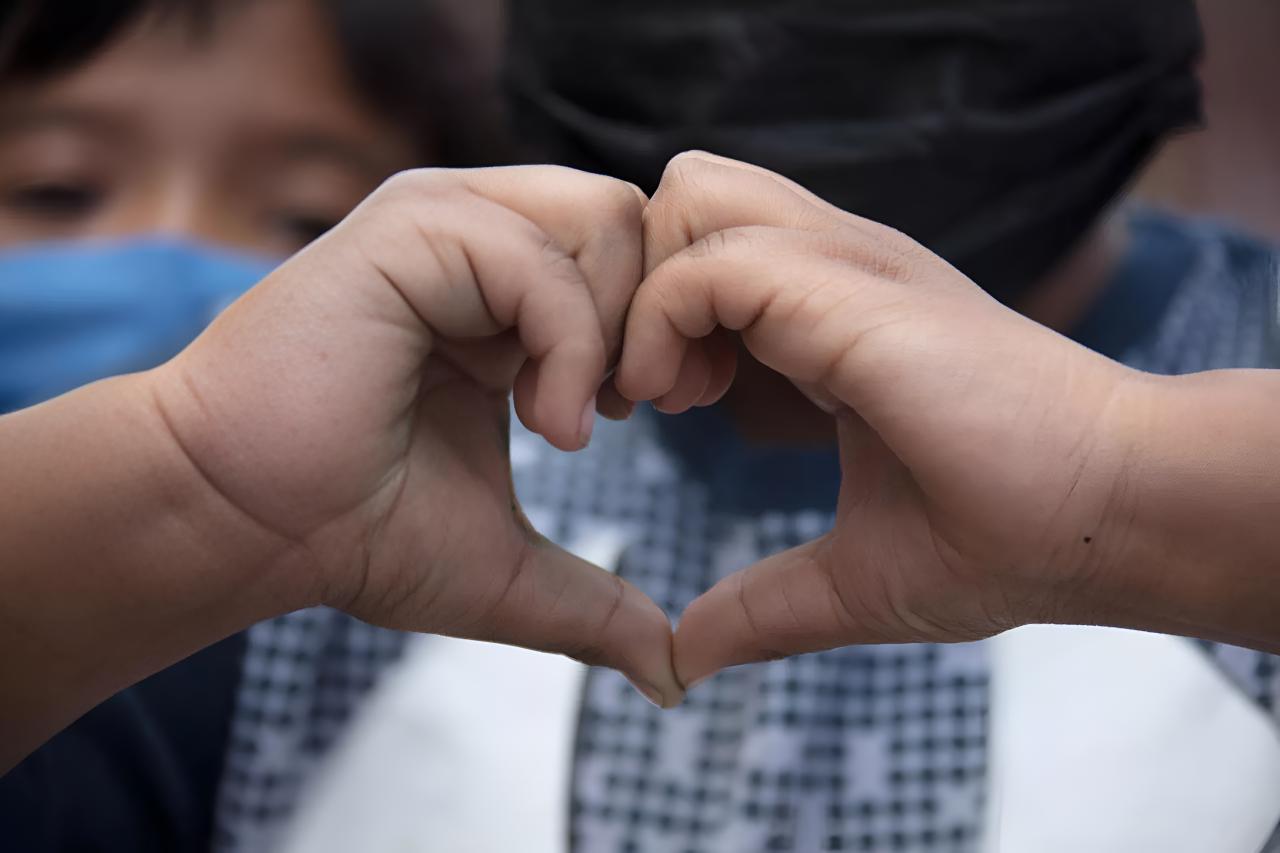
While online hate speech is a modern problem, the UN leverages tried and true methods – including art and school engagement – to translate real-world solidarity to the digital space.
In Serbia, one in four people have experienced some form of digital violence, including hate speech. The UN launched the Tolerance Campaign to promote greater public dialogue among youth and decision-makers. The unveiling of a large mural in Belgrade conveyed a public message of inclusion and community, channeling art for change.
📣 Raise Awareness About Tech-Based Violence Against Women and Children
According to the World Bank, fewer than 40 per cent of countries have adopted laws protecting women from cyber harassment and cyber stalking.
In an effort to raise awareness, the UN Entity for Gender Equality and the Empowerment of Women (UN Women) and the UN Development Programme (UNDP) engaged over 480,000 people across Bangladesh with “Safetyforher.Net,” an interactive film in which viewers step into the lives of women experiencing online violence. The project encouraged public dialogue, creating safe spaces offline to reduce harm online.
Meaningful dialogue was also on display in Thailand, where hundreds of families gathered at Benjakitti Park and the Thai-Belgian Bridge pledged their support to end digital violence against women and girls.
As digital literacy is not part of the curriculum in the Solomon Islands, the UN-supported Spotlight Initiative has been training young people to improve understanding on online safety, encouraging them to recognise and tackle online violence and cyberbullying.
🛡️ Advocate for Stronger Policies That Put Online Safety First
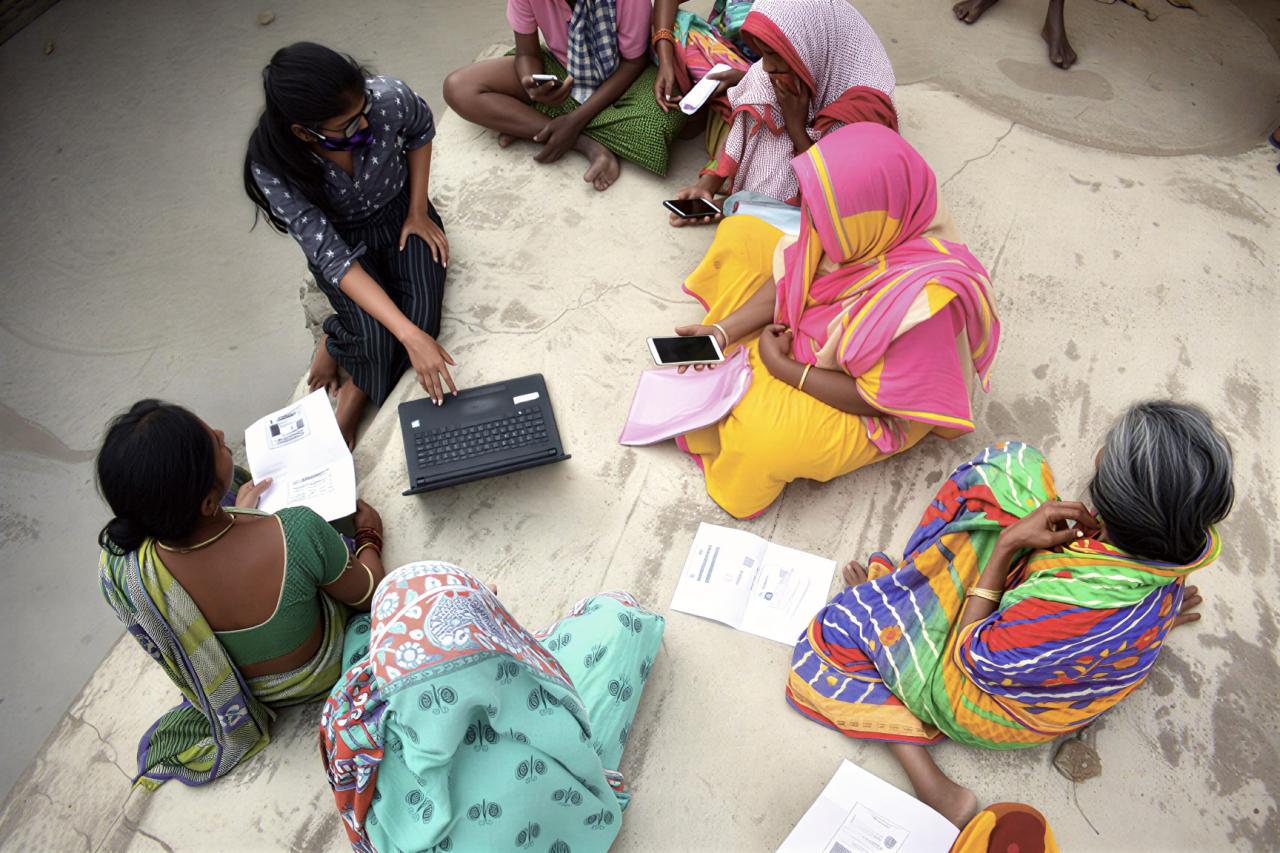
Working on the ground is a key part of creating change but overarching frameworks are needed to coordinate action, ensure sustained commitment and offer guidance. In other words, policy and practice are two buttons on the same mouse.
Ghana is one such example of combining concrete action with top-level strategy. With support from the UN Office on Drugs and Crime’s (UNODC) Global Programme on Cybercrime, Ghanian youth competed in the National Cybersecurity Challenge to celebrate digital safety, innovation and digital ethics. Just days later, Ghana signed the UN Convention against Cybercrime to enhance cross-border cooperation, evidence sharing and laws combating cybercrime.
An Internet for All
Amid the digital noise, it is easy to forget that there are real people behind the avatars, comments and emojis. In the public square of the Internet, we need to be empowered to recognise the credible authorities from the charlatans.
By recognising misinformation, reporting hate speech and learning more about tech-based violence, the world wide web can indeed be a place that is safer for the whole wide world.