

Going Solar Helps Farmers Adapt to Climate Shocks in Chad
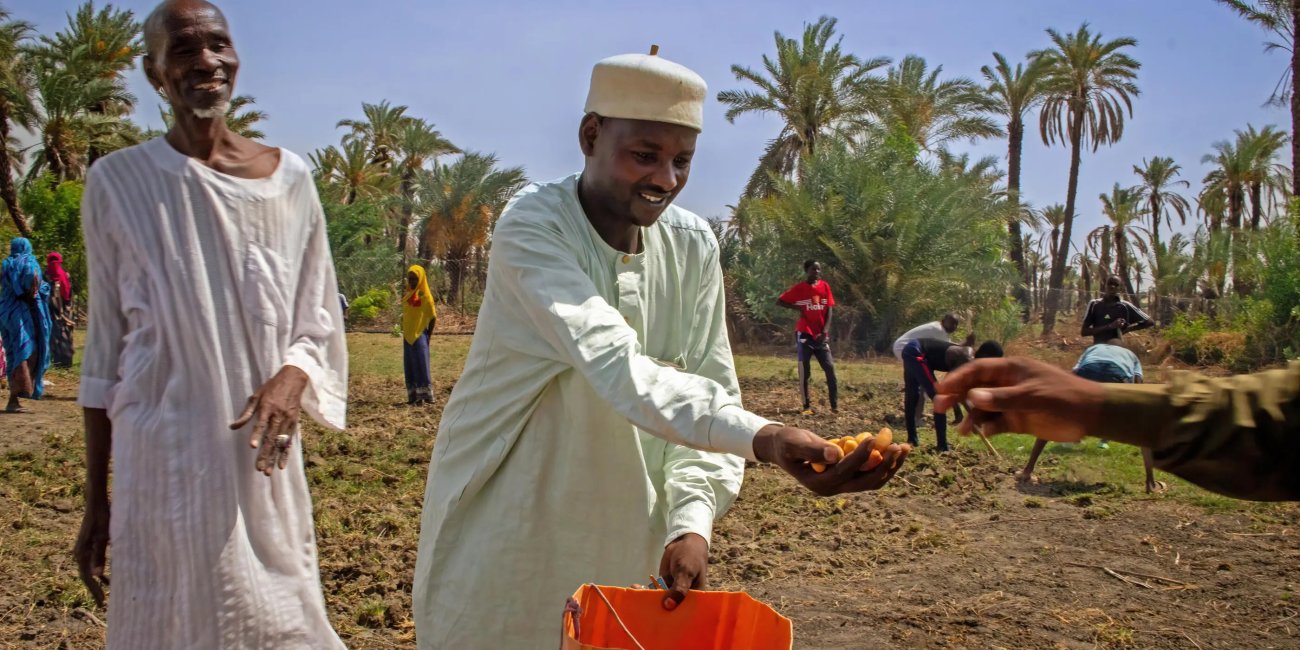
Before a solar-powered borehole reached his community, water was a cost Abakar Mahamat Bodou could not always afford.
“Before, I used water from wells and motor pumps,” said the 31-year-old farmer from Bouroumbia, in Chad’s Lac Province. “Sometimes I did not have the means to buy fuel for the motor pump to water my crops, so they dried out because of a lack of irrigation.”
For Abakar, farming is more than a livelihood.
“I live from the products of this agriculture,” he said. “Most of my children are enrolled in school today thanks to this activity.”
It also presents an opportunity to share his knowledge with his children.
During school holidays, Abakar brings his children to the fields so they can see how the family grows its food and learn how to farm themselves.
But farming in Lac Province is becoming increasingly difficult. Conflict and climate shocks are placing mounting pressure on food production and livelihoods, while recurrent floods, drought and increasingly unpredictable rainfall threaten crops' livelihoods.
Abakar has seen these pressures first-hand. Rising water levels have made some routes impassable, while salt build-up in the soil is making some polders, or low-lying land reclaimed from shallow lakes and parts of the sea, difficult to cultivate.
For a farmer like him, one challenge is particularly fundamental: water.
Water Without the Cost of Fuel
Things began to change when Abakar received support from the Food and Agriculture Organization (FAO), through funding from the UN Global Emergency Fund CERF, managed by the UN Office for the Coordination of Humanitarian Affairs (UNOCHA).
The FAO project is supporting crisis-affected households to meet immediate food and livelihood needs while preparing for future climate shocks. Support includes improved access to water through solar-powered irrigation, climate-resilient seeds, agricultural tools and training.
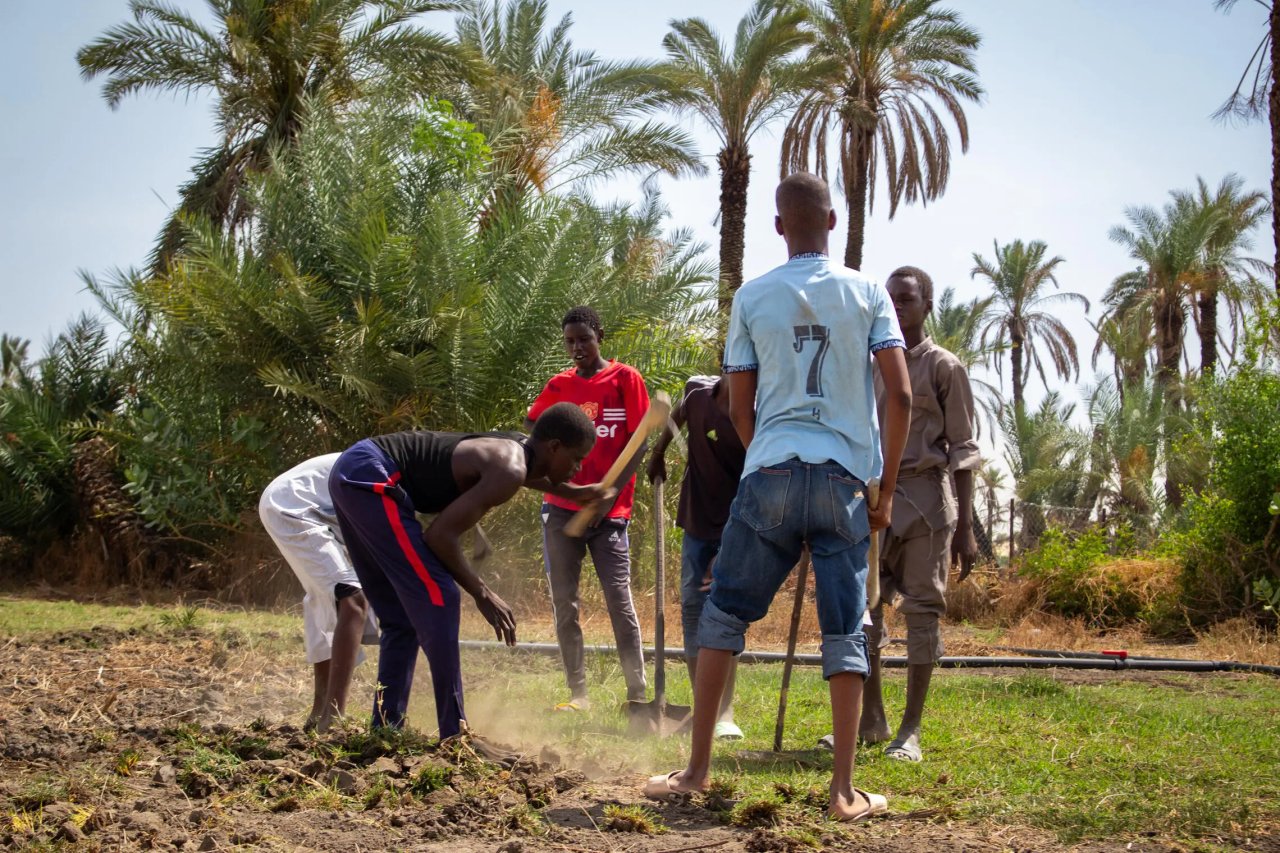
Abakar received agricultural tools, fencing and access to a solar-powered borehole.
“With the installation of this solar borehole, now I can cultivate without worrying about water,” he said.
The system provides water without the recurring cost of fuel, allowing Abakar to grow vegetables and other crops outside the main rainy season.
“We grow market garden and off-season crops, which allow us to feed our children and ensure their schooling,” he said. “Thanks to the sale of our agricultural production, I managed to create an income-generating activity for my wife.”
Better Seeds, Bigger Harvests
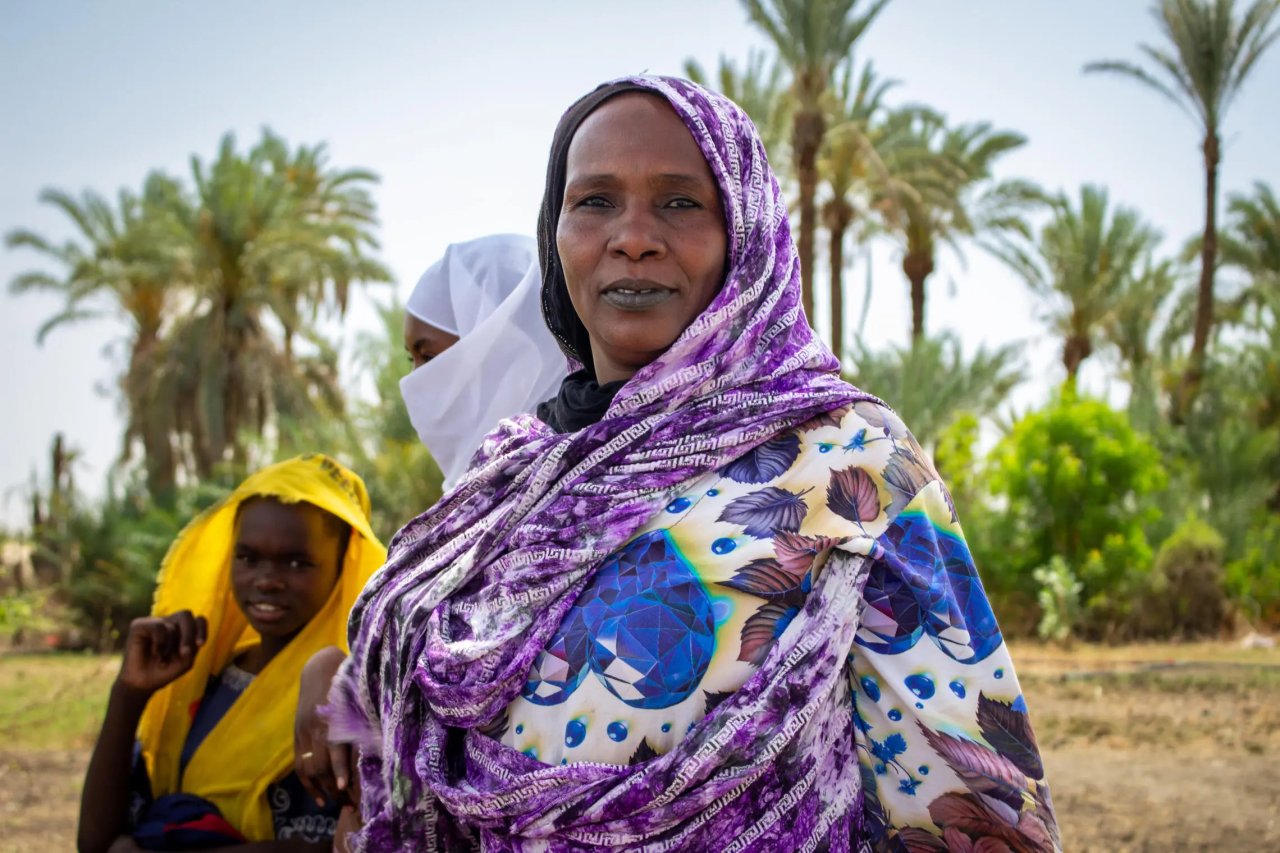
In Bouroumbia 1, Kaka Ali Moussa has also seen the difference that reliable water and improved inputs can make.
The 45-year-old farmer is the president of Rahama Group, which grows vegetables during the off-season.
The group began farming with the resources it had available after receiving land from the village chief. FAO later identified the group for additional support.
“They supported us with agricultural equipment, improved quality seeds and fertilisers,” Kaka said. “They also installed wire fencing around our land and a borehole powered by solar panels.”
For Kaka, the improved seeds have made a visible difference.
“With these quality seeds, our harvest yields are much higher than when we use the conventional seeds we buy at the market,” Kaka said.
The benefits reach beyond the fields.
“There has been a big change in daily life,” Kaka said. “With the money from the crops we sell, we can send our children to school, clothe them and so on. We also help each other thanks to the products from our agricultural activities.”
Farming Through a Changing Climate
The support in Chad is part of a broader CERF investment of $20 million through dedicated climate action funding, supporting life-saving initiatives that also strengthen resilience and adaptive capacity for nearly 470,000 people across 17 crisis-affected countries.
The funding was made possible through contributions to CERF’s Climate Action Account, which helps channel climate-related finance to assist the most at-risk communities facing the consequences of the climate crisis.
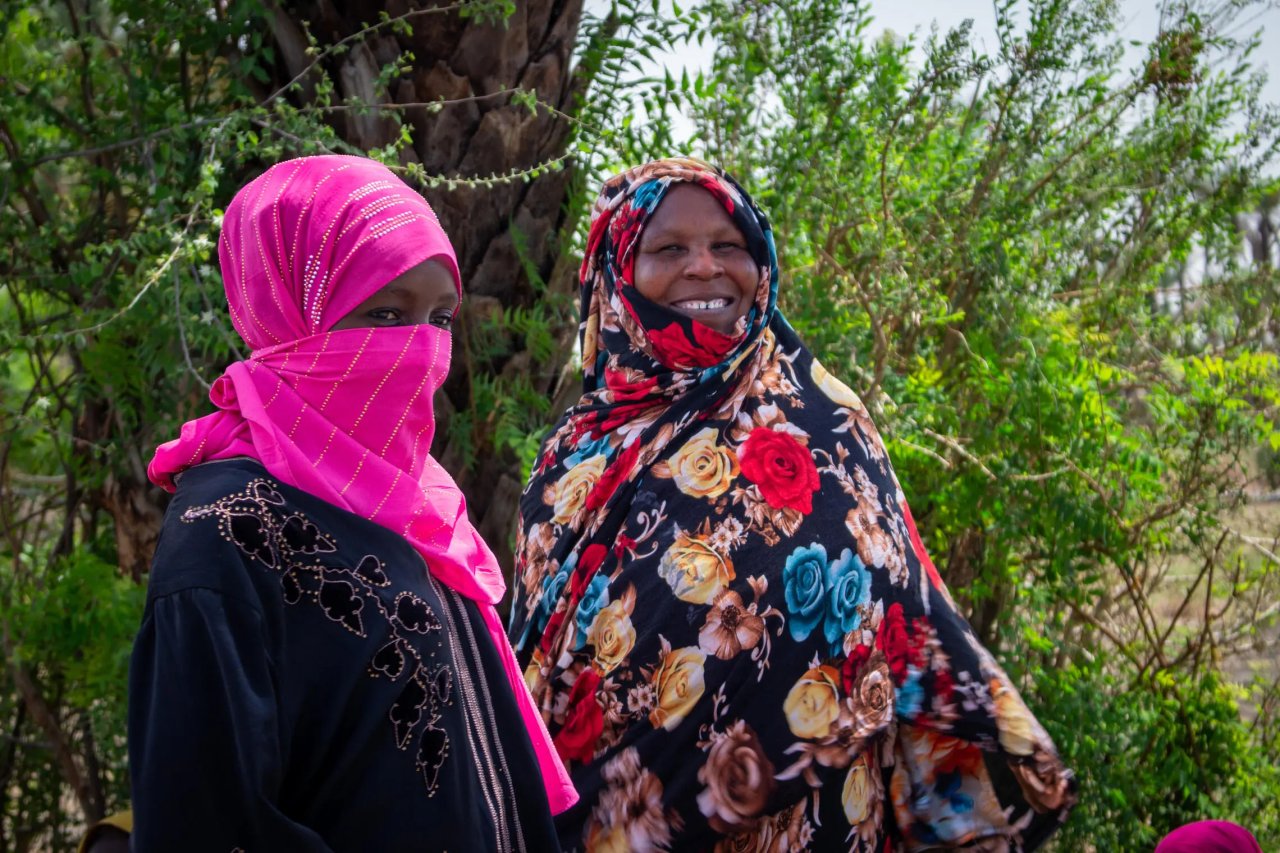
Abakar says farmers are already trying to respond themselves, including by organizing reforestation activities. But their resources are limited.
For him, adapting to a changing climate means protecting the land on which families like his depend.
For Kaka, that resilience is already tangible: larger harvests, more food for group members and income that helps families meet essential needs.
“On behalf of the group, we thank all those who contributed to enabling FAO to provide us with these various forms of assistance,” she said. “Thank you once again.”
This story was originally published by UNOCHA. Please visit the UN team's website for more information about the UN's work in Chad.


