The Future of Energy is Female…and Renewable
Lisa Kurbiel, Head of the Joint SDG Fund Secretariat at the United Nations, writes about the opportunities and challenges in putting women at the forefront of leadership, investment and innovation during the global transition to clean energy.
The global transition to clean energy is often framed as a technological revolution, it is a shift from fossil fuels to renewable sources such as solar, wind, hydro and eventually hydrogen. But at its core, this transition is also about people: who designs these systems, who leads the investments behind them and who benefits from the opportunities they create.
If we want the clean energy transition to be truly transformative, women must be at the forefront.
Through my work managing the Joint SDG Fund, I have seen firsthand how strategic investment can open doors for women and accelerate the shift toward sustainable energy. One of our priorities is to help de-risk investments in renewable energy, particularly in developing countries where access to capital remains a major barrier to scaling innovation.
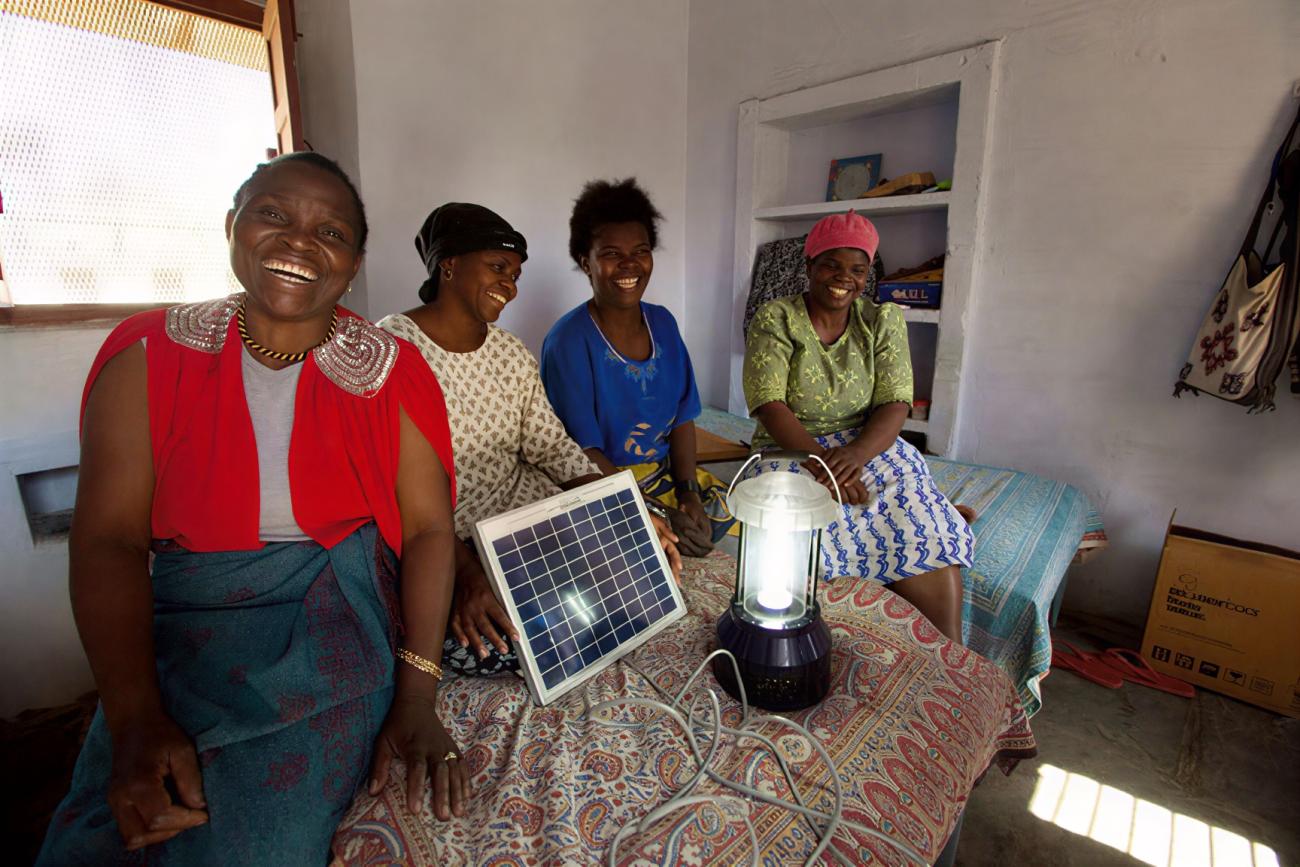
Clean energy is not only an environmental imperative; it is an economic opportunity. When we design financial mechanisms that lower risks and mobilise capital, we can unlock entire ecosystems of entrepreneurs and businesses that are ready to lead the transition.
In Zimbabwe, for example, the Joint SDG Fund partnered with Old Mutual, a pan-African financial services group, to launch a renewable energy investment platform designed to accelerate the country’s energy transition. The initiative demonstrates what is possible when financing, policy support and private sector engagement align.
What makes this model particularly powerful is the leadership behind it. More than half of the enterprises supported through the platform are run by women.
This matters.
Too often, women face structural barriers to accessing finance, building businesses and scaling innovations. By designing investment platforms that intentionally include women-led enterprises, we are not only expanding economic opportunity, we are strengthening the entire clean energy ecosystem.
The Zimbabwe Renewable Energy Fund is now being scaled from its initial $30 million platform toward a second phase of roughly $100 million. The goal is to mobilise larger investments that support hundreds of enterprises across solar, hydro, biomass and mini-grid technologies. These businesses, including many led by women and young entrepreneurs, are helping close energy access gaps while building new markets for renewable power.
But financing is only one part of the equation.
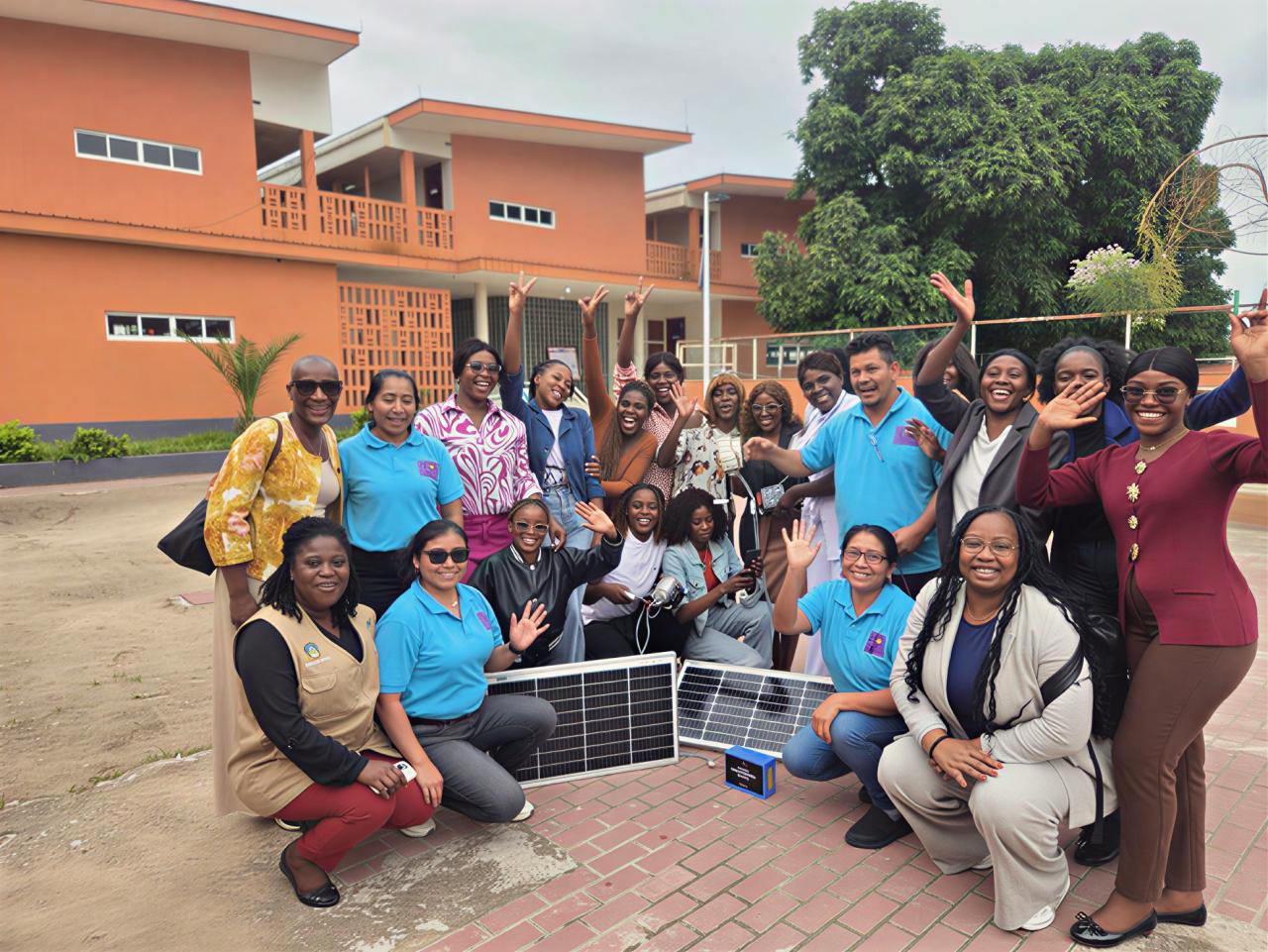
If women are to lead the clean energy transition, they must also be present in the fields that will define its future. That means increasing the number of women across the science, technology, engineering and mathematics (STEM) disciplines that underpin the next generation of energy technologies.
The innovations that will shape our energy systems, from hydrogen technologies to advanced storage and grid systems, are being developed in laboratories, universities and research centres around the world. Women must be part of that innovation ecosystem.
At the same time, representation cannot stop at the technical level. Women must also have a seat at the decision-making tables where policies are designed, investments are approved and industries are shaped.
The future of clean energy requires women in laboratories as well as in boardrooms because access transforms communities. It powers schools, hospitals and small businesses. It enables digital connectivity, economic opportunity and innovation. When women are involved in designing and leading these systems, the benefits extend even further, strengthening families, communities and entire economies.
The clean energy transition is one of the most significant economic transformations of our time. Over the coming decades, trillions of dollars will flow into renewable infrastructure, technologies and markets.
As we shape this new energy future, we have an opportunity and a responsibility to ensure women are not simply participants in this transformation, but leaders of it. Because when women lead, the transition becomes not only greener, but more inclusive, more innovative and more sustainable for everyone.
Note:
All joint programmes of the Joint SDG Fund are led by UN Resident Coordinators and implemented by the agencies, funds and programmes of the United Nations development system. With sincere appreciation for the contributions from the European Union and Governments of Belgium, Denmark, Germany, Ireland, Italy, Luxembourg, Monaco, the Netherlands, Norway, Poland, Portugal, the Republic of Korea, the Kingdom of Saudi Arabia, Spain, Sweden and Switzerland for a transformative movement towards achieving the SDGs by 2030.
This article was originally published by the Joint SDG Fund.