Four ways the UN in Guatemala is advancing climate change adaption and mitigation
As the climate emergency becomes ever more pressing, with rising sea levels, increased rate of natural disasters and loss of species, the UN team in Guatemala is coming together to support the country’s response to the triple crisis of climate change, pollution and biodiversity loss.
Answering UN Secretary-General António Guterres’ call to put “nature and biodiversity at the heart of all decision-making,” Guatemala is walking the talk when it comes to mitigation and adaptation to climate change.
In line with the national development cooperation roadmap agreed upon with the Government, the UN country team is tackling environmental priorities and linking humanitarian needs with economic reforms and durable solutions aimed at building resilience.
The UN Resident Coordinator, Miguel Barreto, puts it this way: “Climate change impacts several sectors, from food production to jobs creation and livelihoods. Therefore, it needs to be addressed in a way that encompasses all these angles. This is the principle behind our way of working as a united UN country team. Biodiversity and green economy, both fueled by ancestral knowledge and indigenous know-how, have been at the forefront of this drive.”
Here are four concrete ways that the team is putting this into action:
I. Supporting policy efforts for a greener future
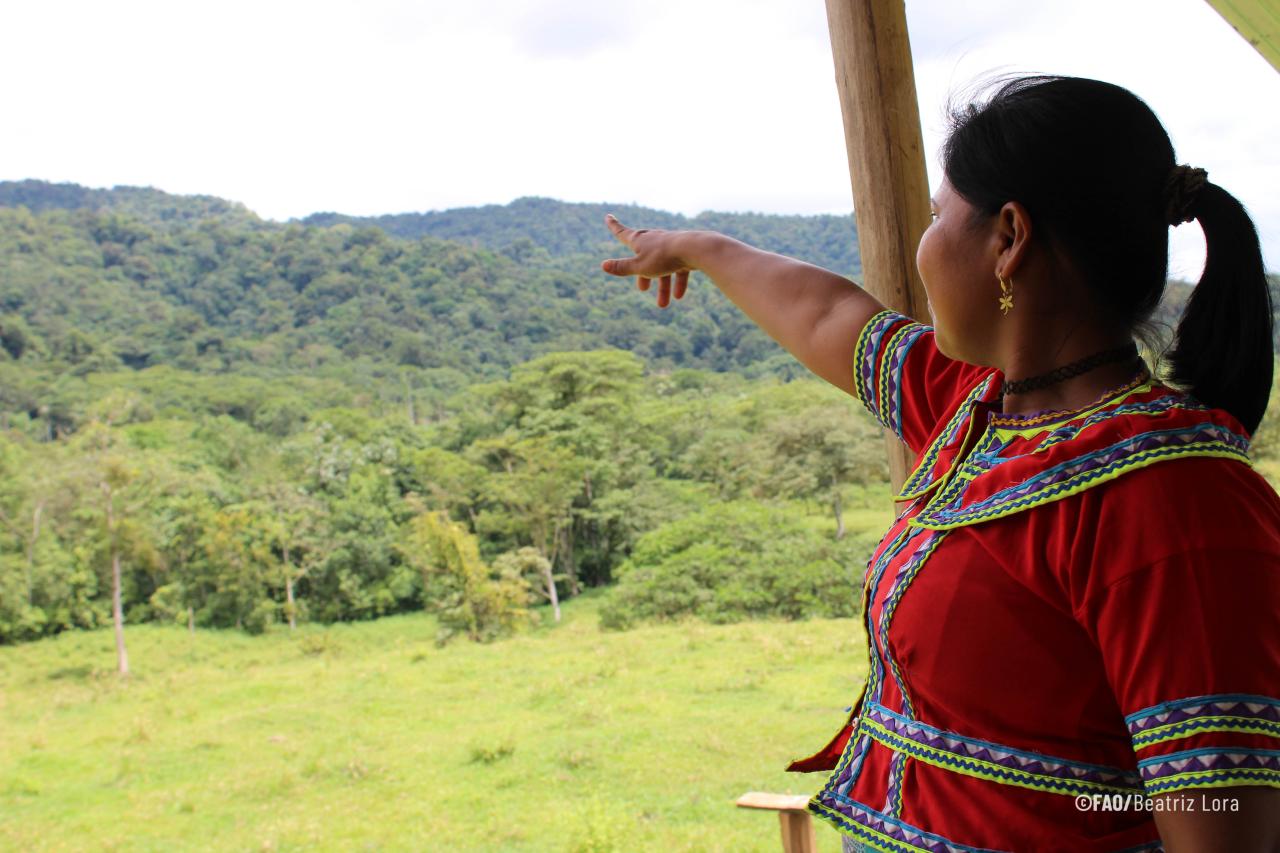
Under the leadership of the Environmental Ministry, the UN in Guatemala has supported the establishment of technical working groups on areas ranging from coastal marine zones; agriculture, livestock and food security; integrated management of water resources; and sustainable energy for the Nationally determined contributions (NDCs).
These groups receive technical support from the UN and have already led to incipient positive policy changes – such as the update of the NDCs, strengthening of indigenous groups’ land ownership rights, or ensuring the reduction of hydrofluorocarbons emissions.
The UN country team also supports the Environmental Ministry in drafting legislation and technical guidelines including on management, conservation, and restoration of agricultural and forest land.
II. Transitioning to a green and inclusive economy
The UN country team is leading several programmes helping Guatemala transition to a green and inclusive economy. Led by the Food and Agriculture Organisation (FAO) and the UN Development Programme (UNDP), a large-scale project aims to conserve nearly 3,000 hectares of soil – and reforest 1,500 hectares – in 60 communities in the northern and eastern regions of the country.
In addition, two studies are currently being conducted by the International Labour Organisation (ILO), exploring ways to reduce emissions and increase the generation of green and fair jobs in agriculture, transportation, industry, and waste management; aligning efforts within national sustainable development planning.
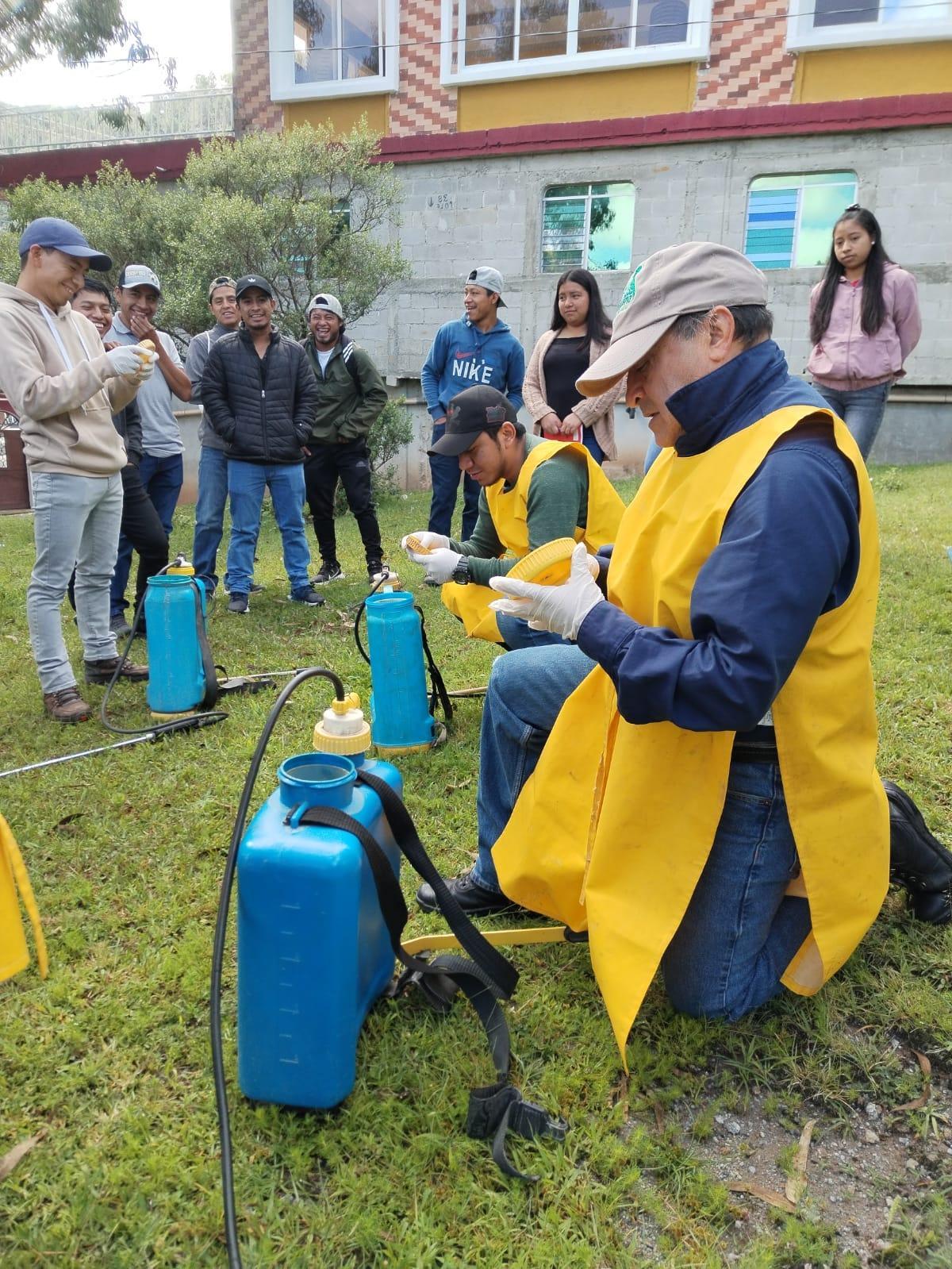
Another notable initiative is the Campo Limpio (Clean Field) programme – run by a private organization, Agrequima, and supported by the RCO – that removes agrochemical containers from rural areas (preventing their reuse for food and beverage storage), thereby reducing pollution.
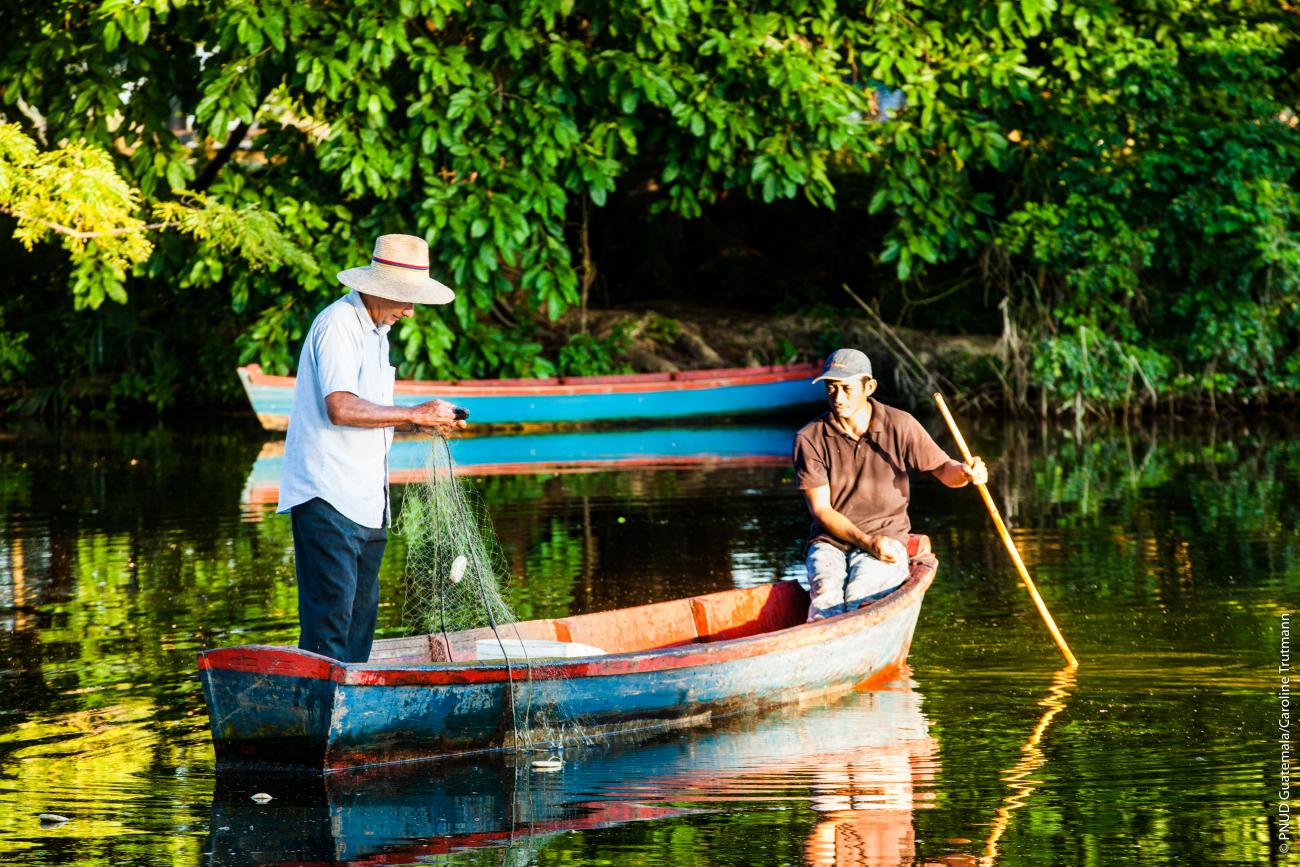
The program has already removed 300 tons of plastic, helping prevent contamination of the Motagua River between Guatemala and El Salvador, which provides livelihood for countless indigenous communities along its path. Moreover, 89 per cent of these containers are recycled to produce plastic. The program is now being expanded to other areas.
III. Food Systems: Setting a national roadmap
Guatemala was one of the first countries to launch the Food Systems National Dialogues ahead of the UN Food Systems Summit +2 Stocktaking Moment that took place this July.
One of the outcomes of the dialogues for Guatemala was the creation of a national roadmap aimed at eradicating malnutrition, which was adopted by authorities, thanks to the Resident Coordinator’s efforts in building consensus.
Guatemala’s food systems have strong links with indigenous communities. This means green, small-scale farming with cultural identity. The roadmap proposes ways to promote the consumption of healthy, local foods in urban areas.
IV. Sustainability: Engaging the private sector on disaster preparedness
Guatemala is a pilot country of the Secretary-General's Early Warnings for All (EW4All) Initiative. The UN is focusing its disaster preparedness efforts on stronger involvement and collaboration with the private sector.
As part of the Connecting Business Initiative (CBi), a joint initiative by the Office for the Coordination of Humanitarian Affairs (OCHA) and UNDP, the UN in Guatemala engages the private sector strategically before, during and after natural disasters and emergencies, increasing the scale and effectiveness of the response and recovery in a coordinated manner.
Along with its focus on science-based targets and respect for cultural-biological diversity, this has the potential to profoundly change things at the national level.
With more innovative climate action approaches yet to come, this is just the beginning of a resilient future for Guatemala.
To learn more about the UN's work in Guatemala, visit: guatemala.un.org.