

Empowering Recovery in Ethiopia: Stories of Rebuilding Livelihoods
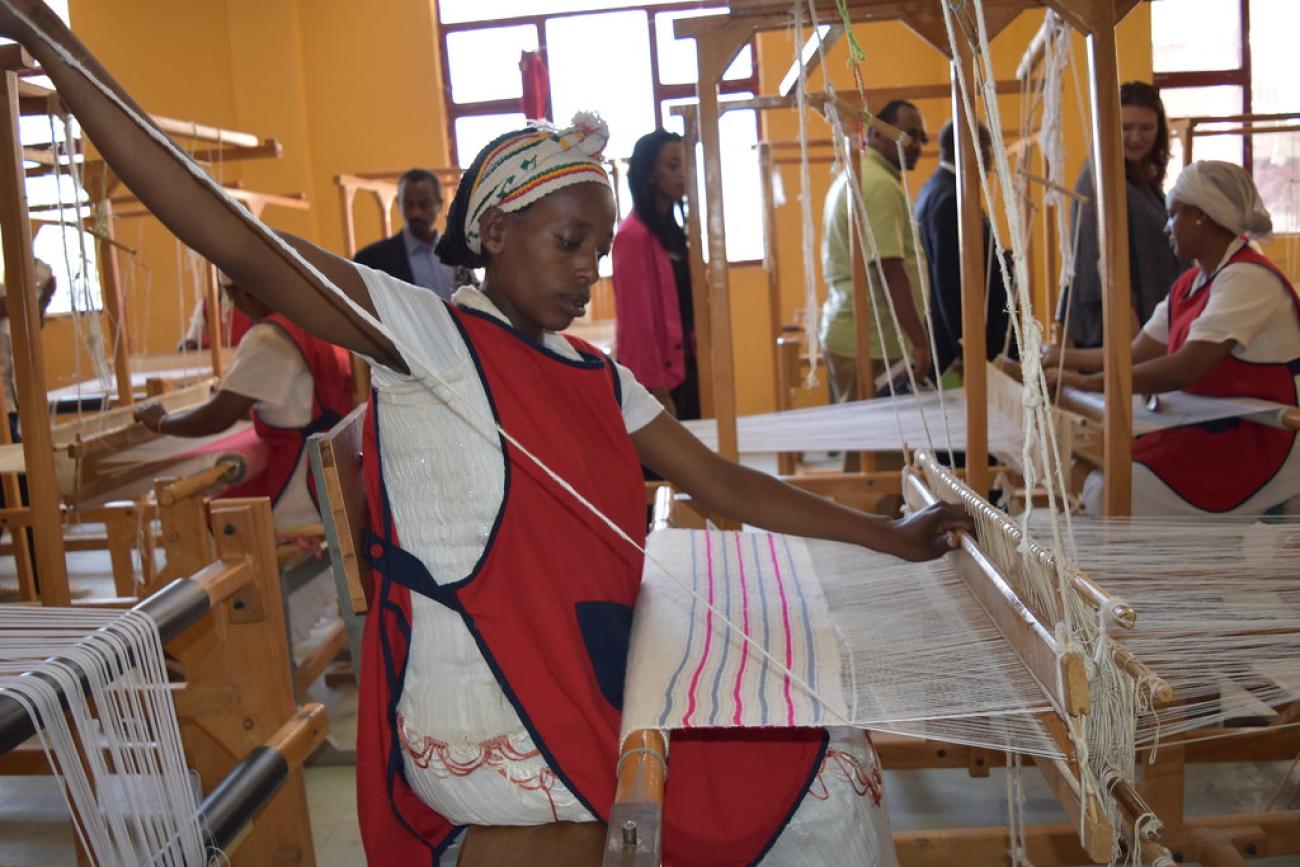
In the aftermath of the northern Ethiopia conflict, when livelihoods were shattered and hope felt out of reach, thousands are now taking steps to rebuild.
Through the coordinated efforts of the UN Development Programme (UNDP)’s Peace Support Facility, funded by the Governments of Germany, Japan and the Netherlands, local authorities are supporting micro and small businesses, as well as vulnerable women and returning Internally Displaced Persons (IDPs), with cash grants and training to restore their livelihoods.
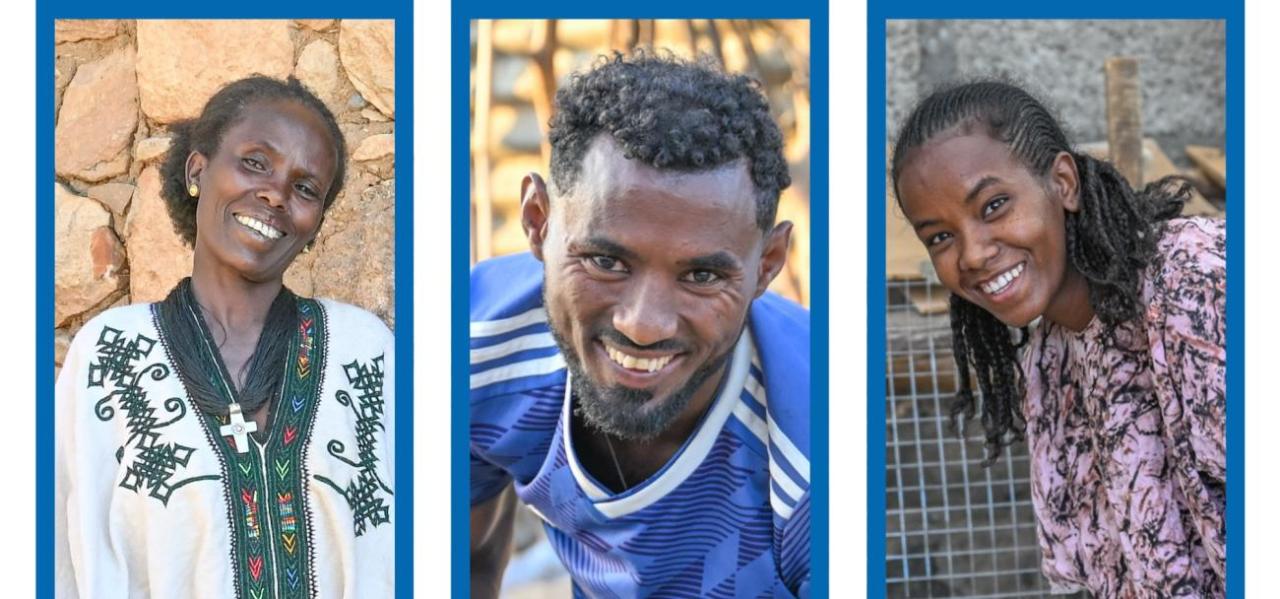
Among those reclaiming their futures are Ayalnesh, Debesu and Hailemeskel.
Ayalnesh Zerihun: From Secretary to Entrepreneur
Before the conflict, 27-year-old Ayalnesh Zerihun lived in Addis Ababa, juggling night classes in management with a day job as a government secretary. But her heart remained in Nirak, Abergele, where her family struggled after losing their livestock. She sent what little she could, but it wasn’t enough.
When the conflict erupted, Ayalnesh was stranded in Addis, agonising over her family’s safety. Their only source of income—livestock—was gone, and her modest salary couldn’t sustain them.
Determined to help, she envisioned a business in Abergele. She chose woodworking, believing it had potential in her hometown. After training and working as an assistant, she returned to find her family in dire conditions. The local woreda (district) authorities provided her a workspace, and with minimal tools, she began crafting furniture.
Her turning point came through a package of support: a 30,000 ETB (approximately $190) cash grant and business training.
“I wanted the business training very much, and I was attentive and properly took it. It has greatly helped me with managing my business,” she says.
She used the grant as seed money and secured a revolving fund of 220,000 ETB (approximately $1,400), which allowed her to buy essential tools and a generator, and to expand her business. Today, she produces beds, cupboards and TV stands. She has created jobs for three young people and proudly says, “I cover my family’s food, medical bills and more.”
Looking ahead, Ayalnesh is diversifying. She’s already started sheep breeding and poultry farming. Her journey shows how strategic support can uplift entire households.
Debesu Belete: Weaving Resilience
For Debesu Belete, a 42-year-old mother of six from Tsagibji, creativity became a livelihood two decades ago when she handcrafted a traditional sling to carry her newborn. Neighbours admired her work and began placing orders. Over time, her artistry grew into a business.
But when fighting overwhelmed Tsagibji, a border town between Tigray and Amhara regions, Debesu fled. For three years, she lived in an IDP camp in Sekota, dependent on aid.
When she returned, her home was looted and her business destroyed. For the first year, she couldn’t restart because she lacked materials and capital. Then came a lifeline: a 30,000 ETB (approximately $190) grant and business training.
“The training helped me learn how to save and run my business,” she says. She bought materials and resumed making baby slings and ornaments. With demand rising again, she now earns 13,000 ETB (approximately $80) monthly and saves 600 ETB (approximately $4) weekly.
“Now my customers rush me for orders,” she says, her smile as vibrant as the patterns she weaves—a symbol of recovery, healing and empowerment.
Hailemeskel Lema: Rebuilding from the Ground Up
In Abergele, 27-year-old Hailemeskel Lema was a skilled tire repair technician.
“Business was good because many cars passed through,” he recalls. On an average day, he earned 600 ETB—enough to support his family.
When the conflict began, he fled to the countryside to stay with relatives. For nearly two years, he struggled. With banks closed, he couldn’t access his savings. When he finally returned, his shop was empty and his machines were gone.
Reopening seemed impossible. But a 20,000 ETB (approximately $125) grant enabled him to buy two machines and restart.
“Business is slower now, but on good days I earn around 1,000 ETB [approximately $6],” he says.
He has now hired one employee and is planning to expand into car washing and garage services, with municipal approval underway.
“I pay rent, buy clothes and I’m doing much better.”
A Shared Path to Renewal
From Ayalnesh’s furniture shop to Debesu’s handcrafted slings to Hailemeskel’s tire business, these stories show the power of resilient communities when supported through a layered approach combining startup grants, business training and local facilitation.
So far, over 1,670 micro and small businesses and 3,500 vulnerable women, including persons with disabilities and returning IDPs, have received support from local authorities across the Afar, Amhara and Tigray regions. This includes tailored training, cash grants, in-kind support and the construction of 40 covered market stalls, laying the foundation for long-term recovery and resilience.
Hailemeskel’s workshop is buzzing again, a testament to the power of strategic support.
“Now I am living a happy life,” says Debesu, her smile a reflection of regained stability.
This story was originally published on the UN in Ethiopia team's website, and is now shared to coincide with International Migrants Day. The Day highlights the challenges that migrants face amidst climate impacts and conflicts, but also the ways that they contribute to the communities they join and help secure a sustainable future for all.
Read more about the UN's work on the website of the UN in Ethiopia team.