Community Businesses Driving Papua New Guinea's Blue Economy
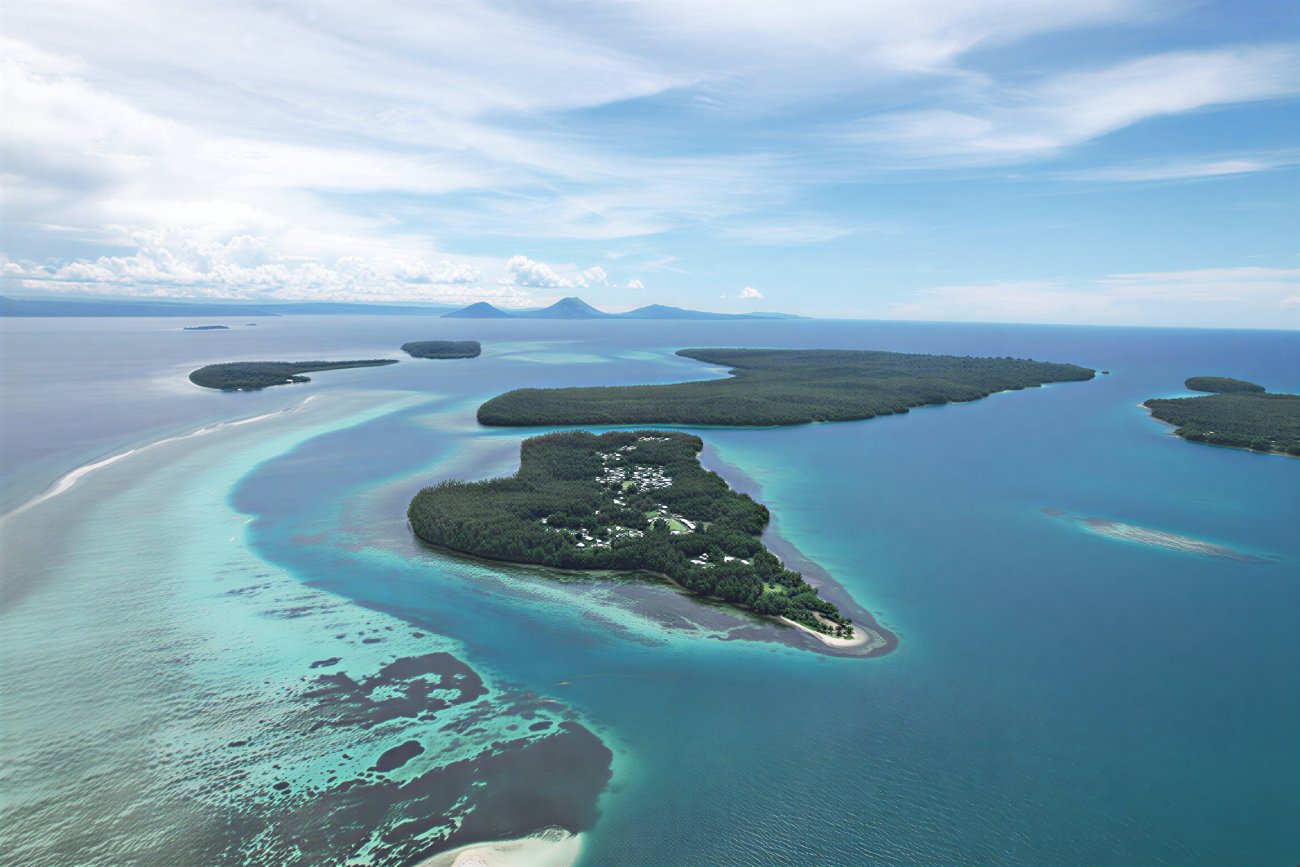
In Papua New Guinea’s Milne Bay Province, community businesses are showing how livelihoods, conservation and local economic growth can go hand in hand.
Under the Gutpela Solwara, Gutpela Bisnis (Good Oceans, Good Business) Programme, a joint programme implemented by the UN Development Programme (UNDP) and UN Capital Development Fund (UNCDF) and funded by the Global Fund for Coral Reefs (GFCR) and the Joint SDG Fund, small grants and technical outreach are supporting local enterprises to strengthen fisheries, expand eco-tourism and protect marine ecosystems.
From coastal villages to island communities, these businesses are building new income opportunities while helping safeguard the ocean resources their communities depend on.
Local Action Makes Waves
On Sideia Island, Bayside Cooperative Society Ltd is demonstrating how community-led fishing practices can reduce waste and help protect fish stocks. Operating as a cooperative, Bayside supplies fresh fish to local markets, schools and shops, catching only what has already been ordered. With support from blue grants, the cooperative is constructing a fish processing and storage shed, introducing solar-powered freezers and upgrading fishing gear.
In Saiwaga village, Refah Fisheries Suppliers, a woman-led enterprise, is helping connect local fishers to reliable buyers while promoting responsible fishing practices. Grant support is helping establish a solar-powered cold storage facility that will reduce spoilage, improve product quality and strengthen incomes for fishing families.
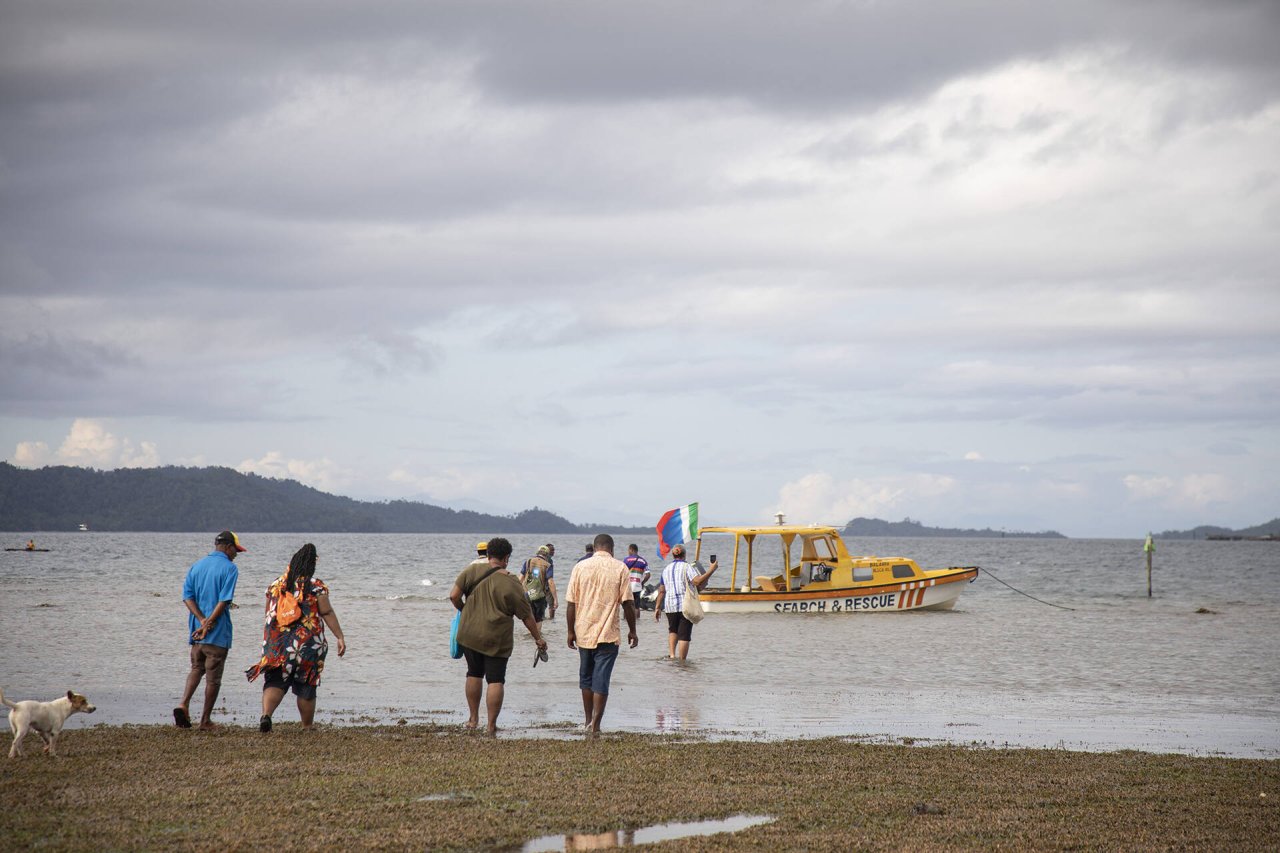
The programme is also supporting tourism initiatives that place conservation and community development side by side.
At Kunawa Getaway Beach Site in Lelehudi village, a community-led initiative is combining tourism with marine protection through a Locally Managed Marine Area (LMMA). Planned upgrades to accommodation, sanitation and site facilities will help expand services, create jobs and provide more opportunities for women and youth.
On Logeia Island, Nuli Sapi Retreat has become an example of community-based eco-tourism in action. Located within a no-take zone, the locally-owned initiative supports marine conservation while creating employment and income opportunities for local families. Support from the programme is helping expand the retreat with a new kitchen, restaurant and additional bungalow accommodation to improve visitor experiences and strengthen sustainable tourism practices.
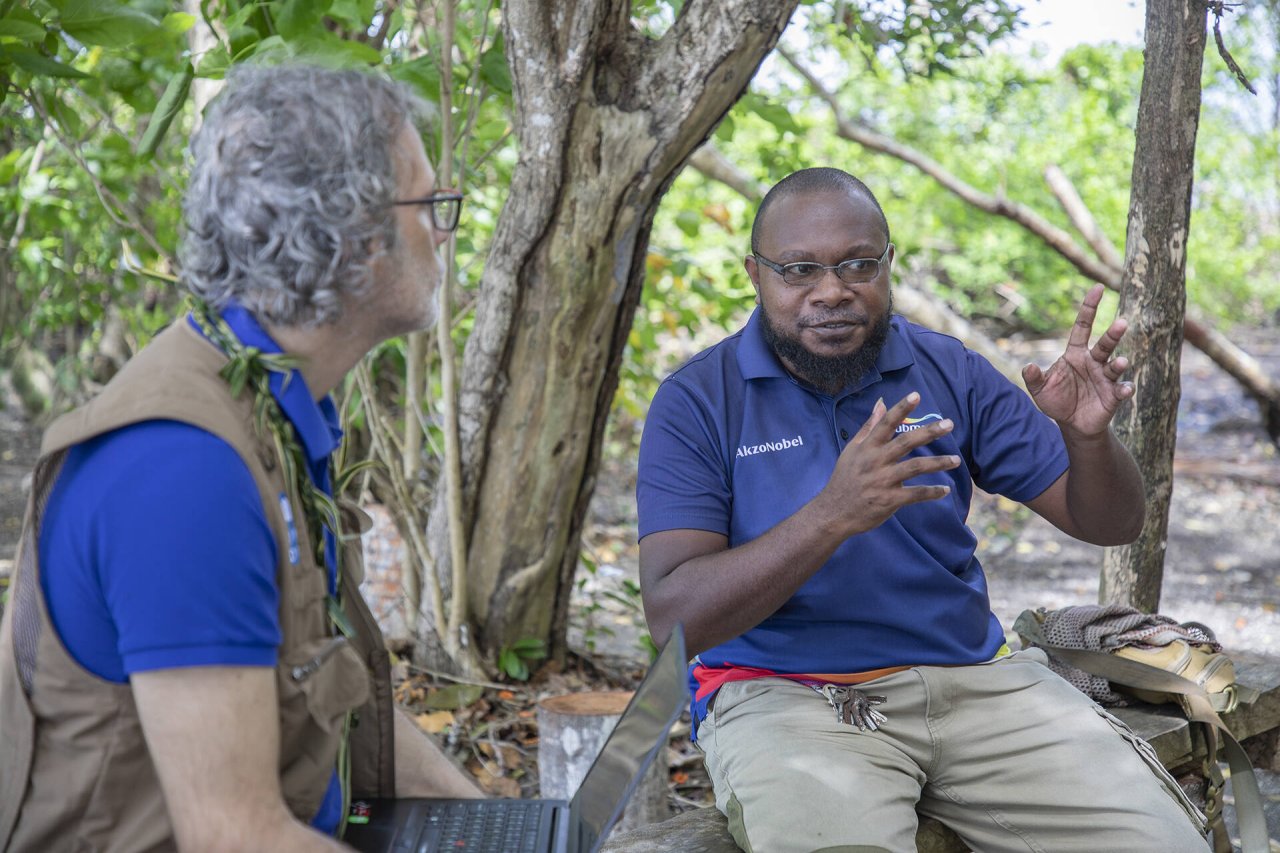
Across the islands of Mahabalina and Keleton, Villink Tours & Expedition PNG is also combining tourism with conservation through mangrove restoration, coral reef protection, guided tours and environmental education activities. Support from blue grants will help develop a mangrove boardwalk and expand community engagement around marine conservation.
Together, these initiatives show how locally-led businesses can help strengthen livelihoods while protecting the ecosystems that coastal communities rely on. Across Milne Bay, communities are building a blue economy that supports both people and the environment.
Note:
All joint programmes of the Joint SDG Fund are led by UN Resident Coordinators and implemented by the agencies, funds and programmes of the United Nations development system. With sincere appreciation for the contributions from the European Union and Governments of Belgium, Denmark, Germany, Ireland, Italy, Luxembourg, Monaco, the Netherlands, Norway, Poland, Portugal, the Republic of Korea, the Kingdom of Saudi Arabia, Spain, Sweden and Switzerland for a transformative movement towards achieving the SDGs by 2030.
This article was originally published by the Joint SDG Fund. Please visit the UN team's website for more information about the UN's work in Papua New Guinea.