Choosing Peace in Northern Ghana
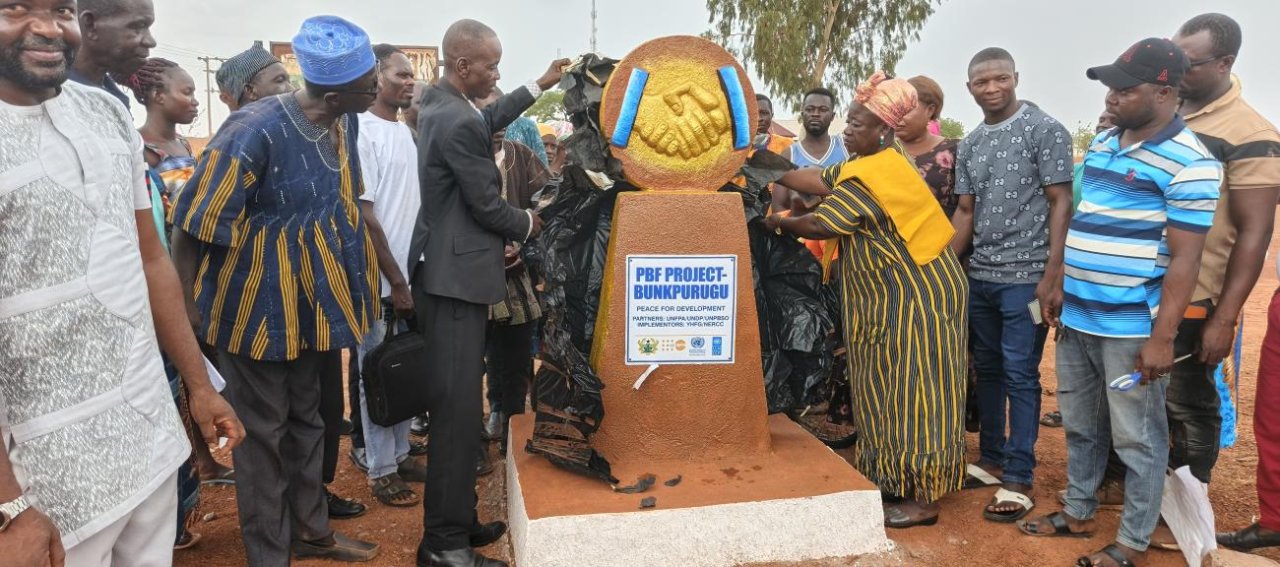
Along a roadside in Zebilla and Bunkpurugu, a plaque bearing the image of two clasped hands faces the morning traffic. It looks modest against the hills of upper and north-eastern Ghana.
Hundreds of kilometres to the west, in Gwollu and Wechiau, a similar monument stands in a public square, handed formally to the District Assemblies.
Along the Bolgatanga to Bawku road, another peace monument stands opposite the Bawku West District Assembly. For communities who pass it each day, the monument reflects a clear decision to protect stability and promote peaceful co-existence and social cohesion.
A Fragile Context
For generations, northern Ghana has been the food basket of the nation, carrying the promise of contributing greatly to future progress. Yet the land bears its burdens, climate vulnerabilities, uneven development and, in some places, fragile institutions.
Still, the region has shown remarkable agency, competing with strength and advancing on many fronts. Amid this resilience, conflicts have flared over land, natural resources and succession to traditional authority. These struggles intertwine with pressures from beyond: cross-border insecurity, arms flows and the wider instability of the Sahel. The state responds with urgency, offering both immediate and lasting measures.
But peace cannot rest on government alone. International support remains vital and inclusion is essential – spaces where women and youth shape the future of peacebuilding.
This vision is captured in the plaque: peace as a collective endeavour, born of the minds and hands of men, women and youth together.
Preventing Conflict Before it Escalates
Through the United Nations Secretary-General's Peacebuilding Fund (PBF), the UN Population Fund (UNFPA) partnered with the UN Development Programme (UNDP) in 2023 to invest in strengthening community-based conflict prevention across the Upper East, North East and Upper West regions. The project arrived before difficulty, with training, dialogue platforms and early warning.
Community members, including traditional leaders, farmers and herders, were trained to identify and report early indicators of conflict. These included disputes over land and water, farmer-herder tensions, the spread of false information, sudden population movements and the presence of unknown and suspected persons. Information from communities was transmitted through established channels to district authorities, security services and the National Peace Council.
Civilian and security dialogue platforms helped verify reports and coordinate responses. When alerts were raised, mediation teams engaged quickly, dialogue was convened and preventive action was taken. Disputes at the community level were resolved peacefully before violence occurred, highlighting the agency and resilience of local populations.
In order to amplify these efforts, radio programming supported by the UN provided verified information, encouraging peaceful problem-solving and countering misinformation. For communities far from district centres, local radio served as an accessible and trusted source.
Building Inclusivity While Building Peace
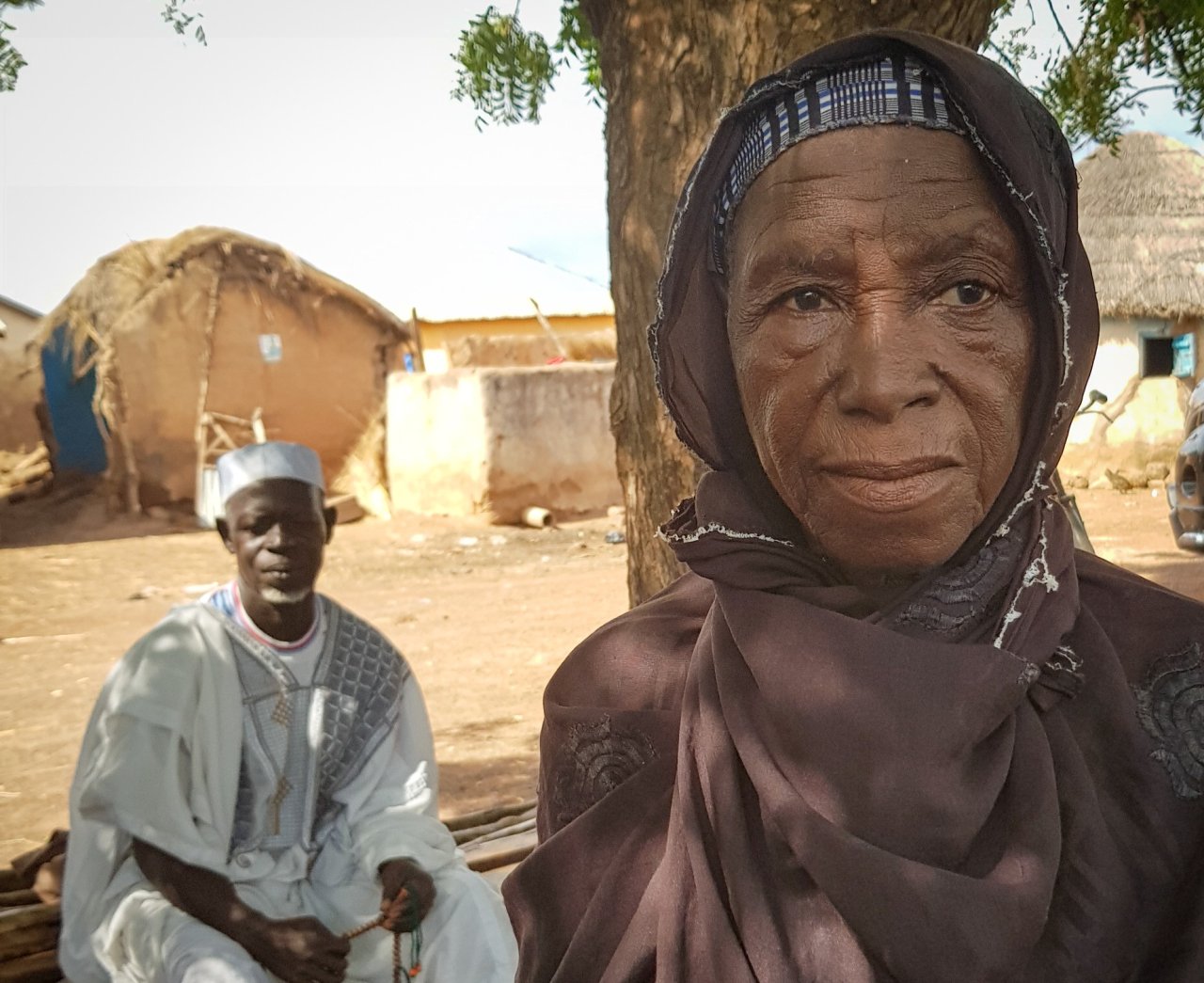
Local districts and the UN reached an inevitable conclusion: peace would not be possible so far as significant segments of the population – women, youth, persons with disabilities and other marginalised groups – were excluded. The programme therefore ensured that the most vulnerable voices were not only heard but listened to.
Where discriminatory norms had kept women from land, leadership and local decision-making, UNFPA worked through traditional and religious authorities to shift the cultural ground itself, so that women arrived at dialogue tables not as guests but as contributors.
Women and young people learned to read budgets and take their place in district hearings and development planning. Community platforms became spaces where youth and women led and trained in governance, mediation and advocacy, while security agencies emerged from UNFPA support with sharper knowledge of human rights.
Citizens Complaints Dashboards and community scorecards opened local governance to a level of transparency these districts had not known. Those affected by conflict became the first consulted in preventing it, supported by the human rights-based trainings that provided language and standing.
This approach did not only address women and the youngest: traditional leaders sat through sessions about harmful norms and who gets left out of decisions and resource allocations.
UNDP strengthened the conditions that perpetuate peace, with District Assemblies attracting development investments, and youth learning how to counter hate speech and disinformation, among other gains. Together, the two agencies worked both ends of the same problem: the overarching social environment for peace and the institutional ground beneath it.
Weaving Peace Into Daily Life
These gains were not contained as relics of the recent past. In 2025, UN-supported initiatives continued training more than 1,200 stakeholders in conflict management, prevention and co-existence.
Support to the National Peace Council improved governance and operational capacity. Collaboration with the Ghana Immigration Service expanded border patrol coverage and reduced response times, contributing to improved security monitoring in border areas.
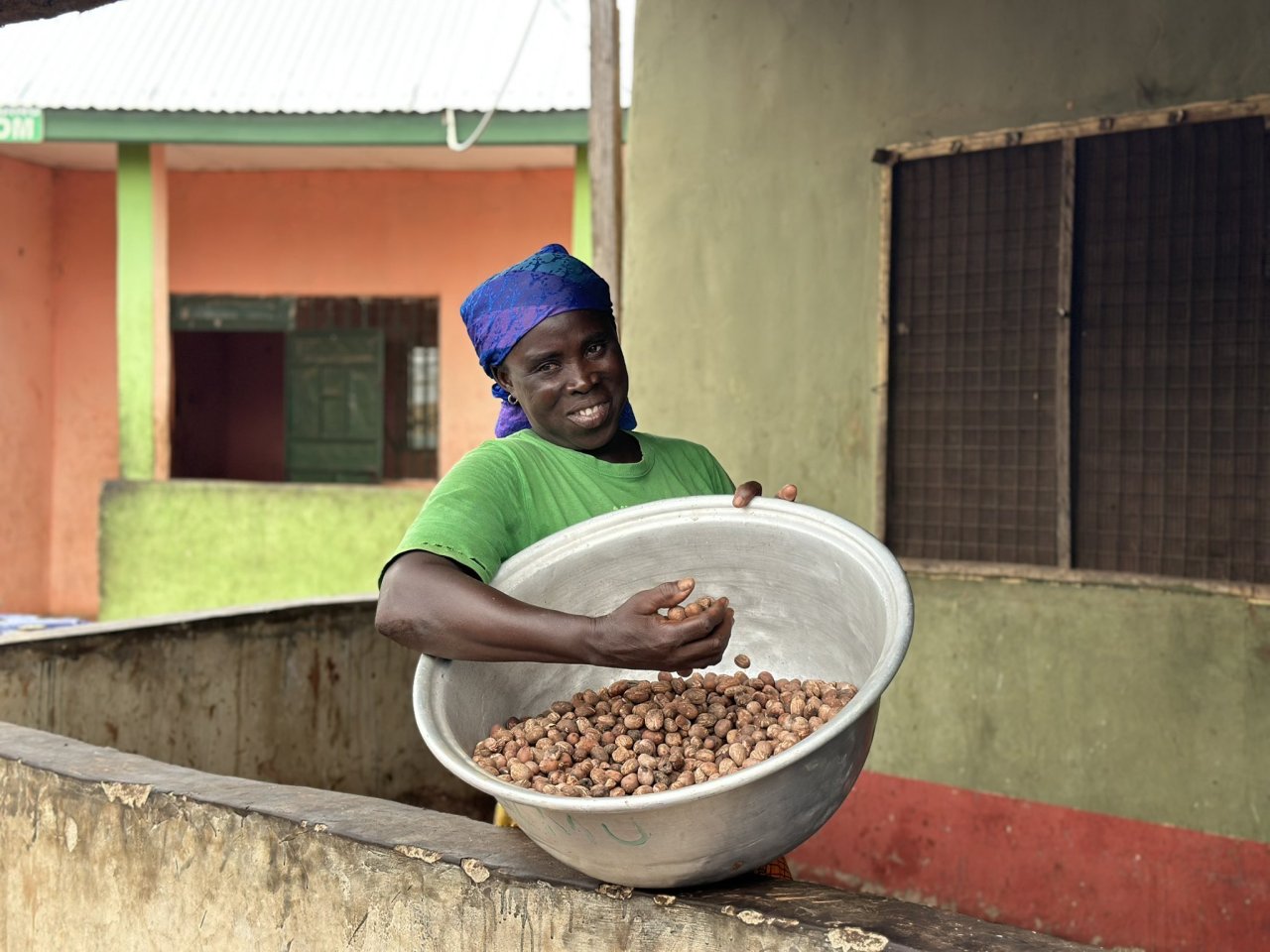
Madam Sarah Ibrahim, a local women's leader, described how opportunities for girls and women expanded since 2023 – access to education improved, and decision-making became more inclusive at the community level. So far, more than 810 women and youth are now involved in decision-making. Moreover, Chiefs and Queen Mothers have been supported in providing early warnings.
Even though the project has ended, local communities are committed to living in peace, resolving any future conflicts among themselves and promoting unity, joy and development.
Sustaining a New Future
These efforts demonstrated how local action and national leadership reinforce stability.
The UN continues to support Ghana's peacebuilding efforts, including support for strengthening national and local peace infrastructure, implementation of the National Youth, Peace and Security Action Plan finalised in 2025, a comprehensive human security programme and review of national peace policies. By strengthening early warning systems, dialogue platforms and inclusive governance, the UN is supporting communities to protect development gains, scale resilience and manage future risks.
Along the road in Zebilla, the peace monument stands quietly. It is a reminder of commitment, not closure.
Peace remains a process that requires consistent dialogue, inclusion and vigilance before the headlines, not after them.
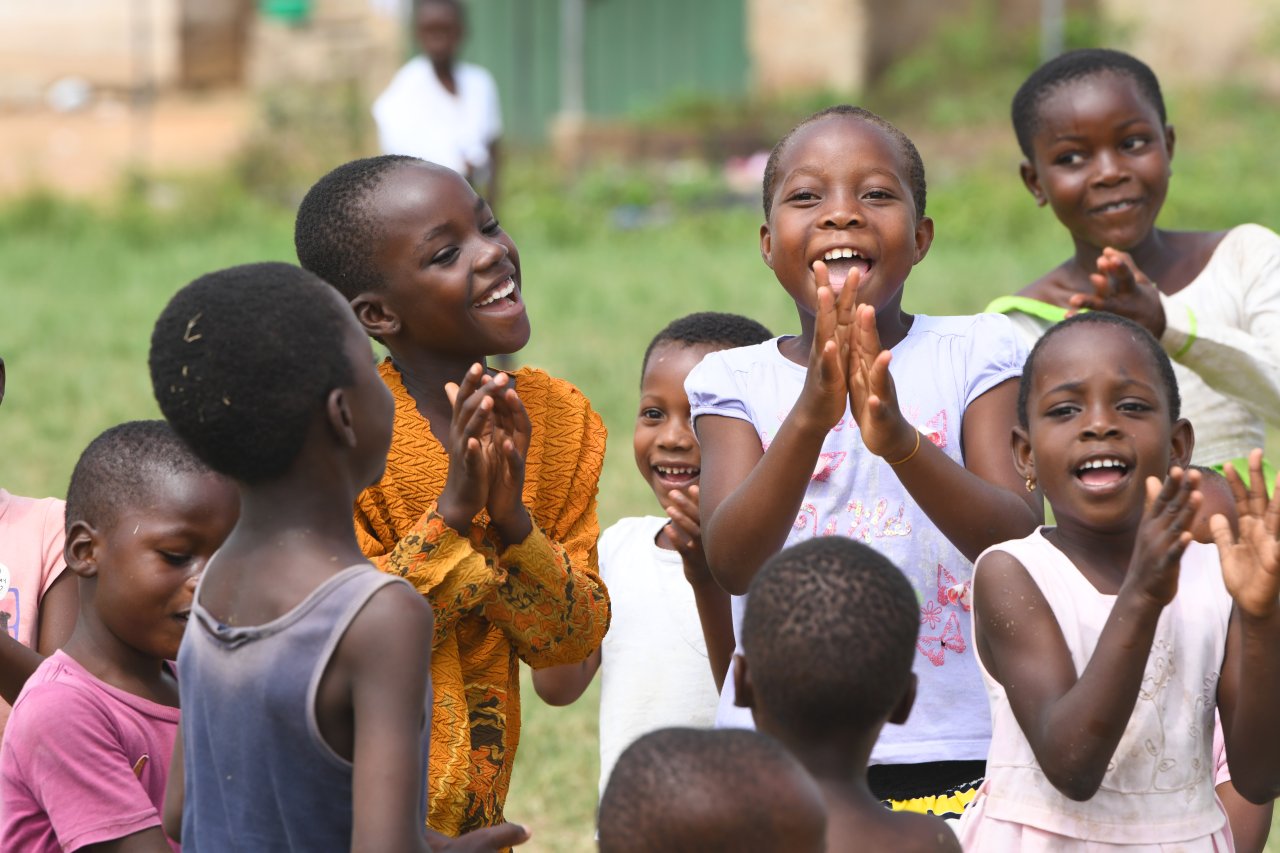
No single partner could have produced what several districts now hold. The return on that partnership is measured in what did not happen: the disagreements that did not grow, the children who stayed in school, the families who can wake up to a future of hope.
Please visit the UN team's website for more information about the UN's work in Ghana.