

Beyond Financing: How the Joint SDG Fund is Helping the UN Work Differently in Colombia
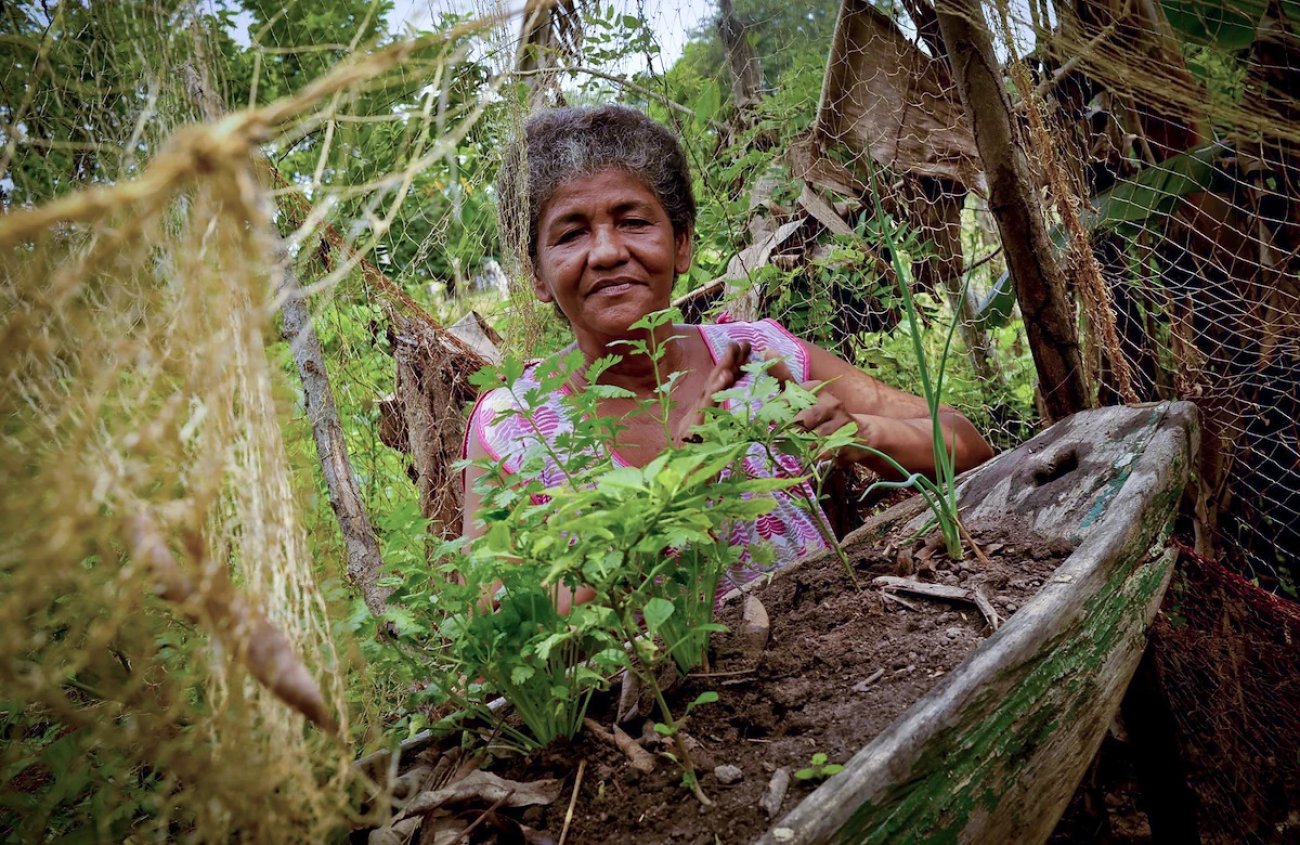
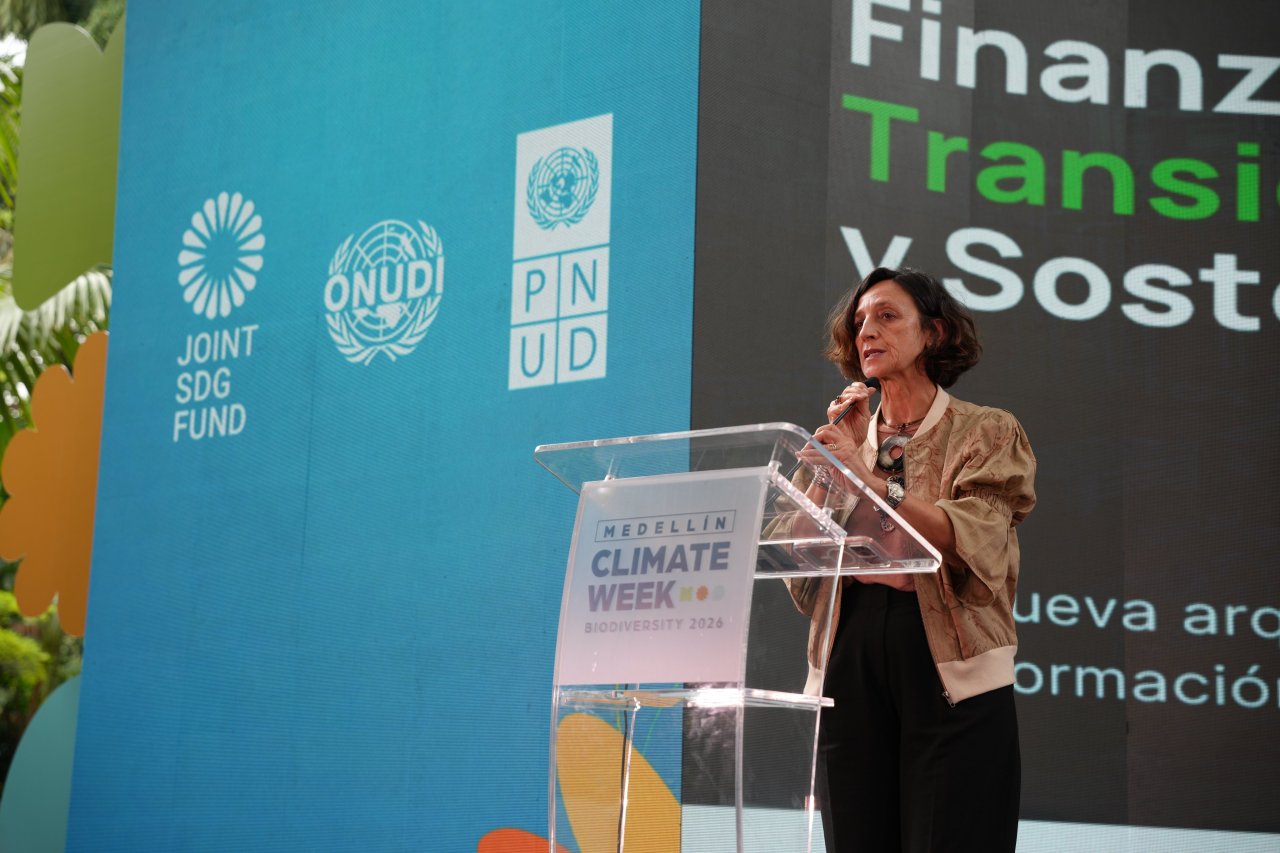
María José Torres Macho, UN Resident Coordinator in Colombia, explores how the Joint SDG Fund is supporting collective action and long-term development solutions that unlock investment, strengthen public systems, improve institutional coordination and support policy reforms.
Colombia is an upper-middle-income country with big development ambitions: implementing the peace agreement, closing territorial gaps, adapting to a changing climate. But official development assistance is shrinking, fiscal space is tightening and private capital rarely reaches the places that need it most. In this context, the UN is not primarily a provider of capital. What we can offer is different: technical know-how to structure transactions, evidence and presence in complex territories, as well as the trust to bring governments, banks, businesses and communities to the same table.
That is the logic behind our work with the Joint SDG Fund. Colombia now has four active joint programmes, the largest portfolio of any country:
- The Inclusive Digital Transformation Facility – UN Development Programme (UNDP), UN Population Fund (UNFPA), International Labour Organization (ILO)
- A strengthened Universal Social Registry – World Food Programme (WFP), UN Children's Fund (UNICEF)
- Green finance for a circular economy – UNDP, UN Industrial Development Organization (UNIDO)
- The Food Systems Technical-Financial Facility – Food and Agriculture Organization (FAO), WFP, International Fund for Agricultural Development (IFAD), Economic Commission for Latin America and the Caribbean (ECLAC).
But the story is bigger than financing. The facilities are the fullest expression of what the Joint SDG Fund makes possible: integrated action and solutions that take the UN Country Team beyond individual projects. Anchored in the country's territories and built on the multi-agency nature of the joint programmes, they put the vision of the Cooperation Framework into practice and let us demonstrate our added value in building policy, forging partnerships, mobilising additional public and private resources, and generating innovations and connections. Sometimes that unlocks investment. At other times, it strengthens public systems, improves institutional coordination or generates evidence that advances policy reform.
What Makes a Facility Different
A facility is a platform that connects actors, capacities and capital around a common agenda. Fund resources act as a catalyst: they are not there to finance agencies, but to move resources toward tangible impact. A facility is also a laboratory. It pilots a solution, builds evidence and hands the result to local or sectoral actors who can scale it. What should last is not the vehicle but the solution, and our measure of success is whether the model is adopted and sustained.
Joined-up action does not happen by itself. Nine UN entities work across these four programmes, each with its own mandate, systems and partners. My role, and that of my office, is to bring agencies together around shared priorities, unblock political and communication bottlenecks, and protect the neutrality that makes the UN a credible convener and honest broker. The hardest part is relational, not technical. We have also learned to be honest about our limits: the UN is slow, and that has a cost when our partners are in the financial sector. Fixing that is part of the job.
Catalytic Value in Practice
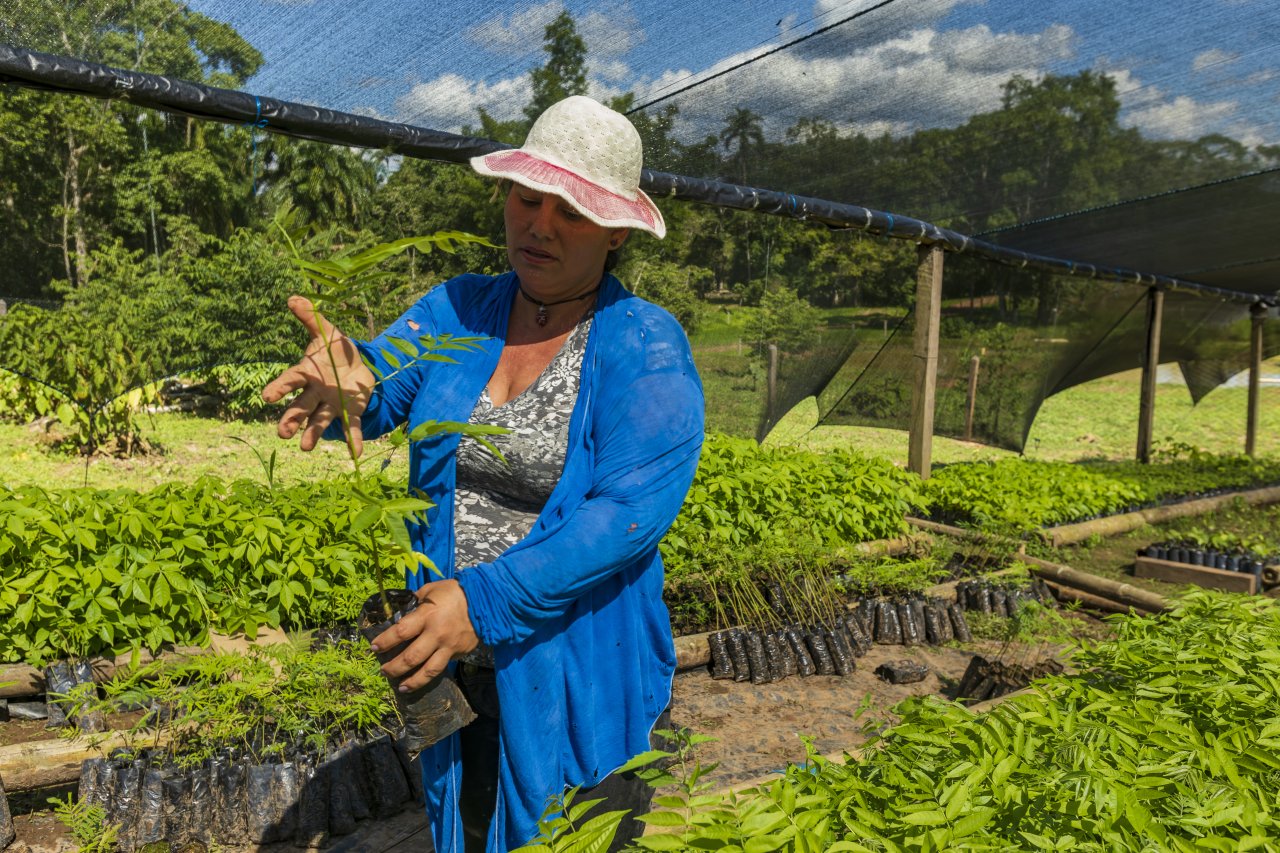
In the circular economy programme, $1.03 million from the Fund will improve the terms of a credit line from Bancóldex, Colombia’s national development bank. The first phase is expected to mobilise $7.3 million, supporting around 480 financing operations, with women-led or inclusive firms comprising at least 40 per cent of those receiving support.
The digital transformation facility, launched with the EU Delegation, brings regulators, financial institutions, cooperatives and innovators onto one national platform and has already produced investment-ready roadmaps valued at around $2.1 million.
The story I find most telling comes from CoopTech Week. Colombia’s savings and credit cooperatives serve some 4.4 million members, many of them rural, yet digital transformation has too often meant buying technology without building the capacity to use it. Nine cooperatives learned human-centred design and rapid prototyping, and each left with its own roadmap. Digital transformation, they concluded, is not an IT project. It is an organizational capability that the market rarely pays for, and exactly where a modest, catalytic investment can make a difference.
The food systems facility connects the supply and demand of finance for small-scale producers. It has mapped more than 41 organizations representing over 3,000 smallholders across 13 departments and 38 municipalities. This territorial depth gives the evidence its credibility, and it is already shaping national guidelines for financial inclusion in family farming.
Social protection shows the same logic beyond finance. Through the Global Accelerator on Jobs and Social Protection, the UN and the World Bank are working with Colombia’s National Planning Department to improve social protection registries, remove barriers to access and test one-stop-shop delivery at the local level. As Colombia prepares its 2026-2030 National Development Plan, this work is leading to policy reform, including stronger governance and expanded coverage for rural workers. The catalytic value here is not financial leverage. It is bringing complementary expertise and institutions together to build a more inclusive national system.
Taken together, the change shows up at three levels. For people, it is access: a smallholder organization that becomes bankable, a cooperative that serves its rural members digitally, a micro-entrepreneur who can finally borrow to invest in a greener business.
For national systems, it is rules and institutions: guidelines on rural financial inclusion, a new finance strategy taking shape and a financial sector that is starting to see complex territories as investable.
For the UN, it is how we work: shared agendas instead of parallel projects. This is the Cooperation Framework in action, its vision made concrete in the territories through the joint effort of the whole UN Country Team.
The Test of a Facility
Most of these programmes are still early in their journey, and that is the point. A facility is built to learn while doing: to test a model in real conditions, adjust it and only then scale it. Colombia’s change of Government has slowed some conversations, but we are continuing them and adjusting where needed.
The test of a facility is not what it spends. It is what remains once it has done its job: a credit line that keeps lending, a cooperative that keeps innovating, a bank that keeps looking at the territories, a public system that works better.
Colombia will not close its development gaps with aid. It will close them with its own institutions, banks and businesses, moving faster and further because the UN helped make the risk worth taking. That is the added value of the UN Country Team through these facilities: better policies, stronger partnerships, additional public and private resources, and innovations and connections that outlast any single project. Not the UN doing more on its own, but the UN making it possible for everyone else to do more.
Note:
All Joint SDG Fund programmes are led by UN Resident Coordinators and implemented by agencies, funds and programmes of the United Nations development system. The Joint SDG Fund gratefully acknowledges contributions from the European Union and the Governments of Belgium, Denmark, Germany, Ireland, Italy, Luxembourg, Monaco, the Kingdom of the Netherlands, Norway, Poland, Portugal, the Republic of Korea, the Kingdom of Saudi Arabia, Spain, Sweden, Switzerland and the Arab Gulf Programme for Development.
This blog was originally published by the Joint SDG Fund. Please visit the UN team's website for more information about the UN's work in Colombia.


