Belsh has 85 Lakes but its Future is Rooted in Olive Trees
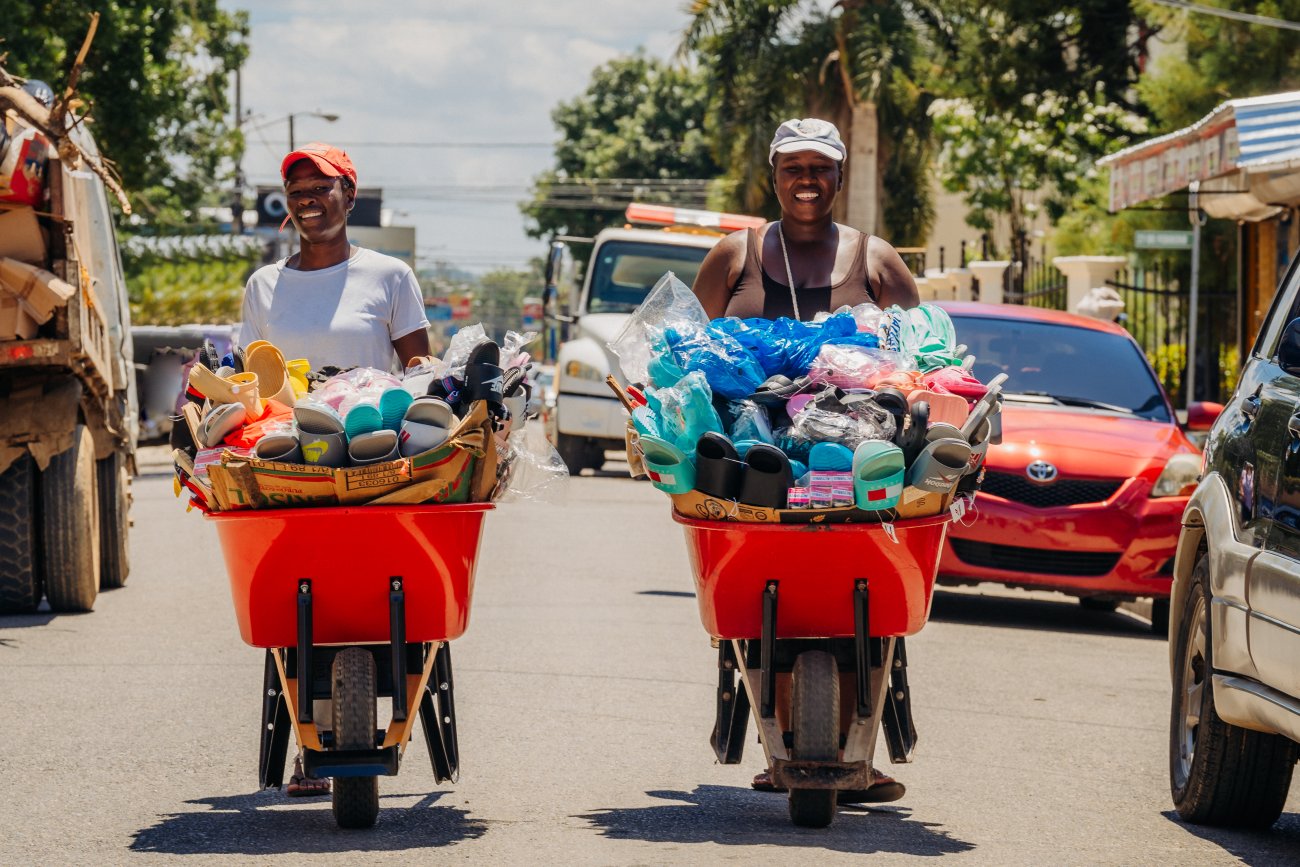
This story was published in observance of International Day of Families, celebrated every year on 15 May. The UN is supporting family-owned and small businesses in Albania through a programme that promotes business expansion and sustainable practices. Jolla Olive Oil is a success story illustrating the power of collaborating with local and national partners.
Belsh, Albania, is famous for its 85 lakes. Yet the real heartbeat of this region grows on its hillsides, where olive trees shape livelihoods, identity and economic potential.
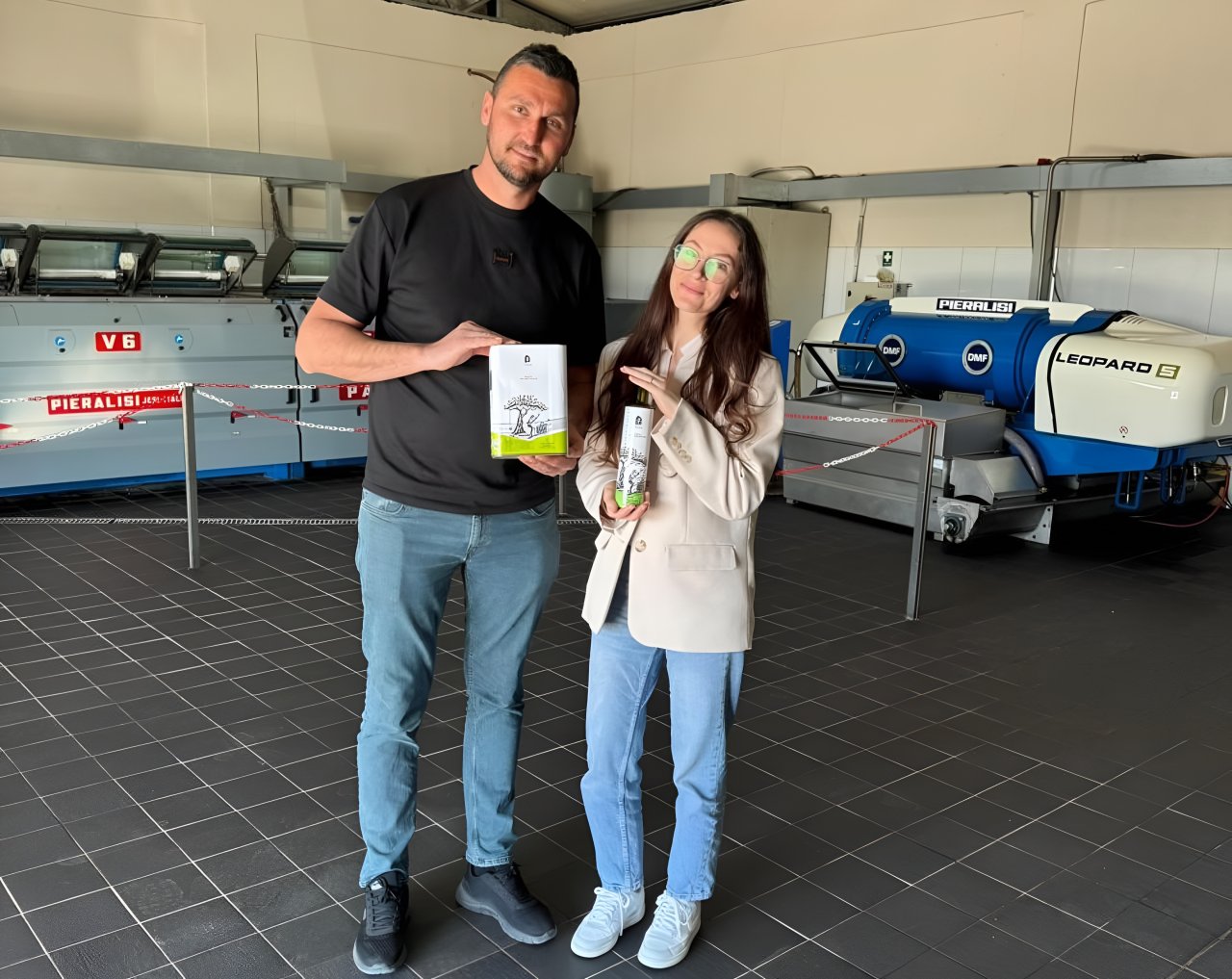
For Aldo Jolla, 33, olives became the path home.
After more than 20 years in Greece, where Aldo and his father built a successful construction company, his family decided in 2020 to return permanently to Albania. Their land in Belsh was rich with olives: 1,200 trees planted by the family. One day at a local mill, curiosity sparked his next chapter.
“How much does it cost to build an oil factory?” he asked.
“Forget it,” came the answer. “It’s almost impossible.”
Instead of deterring him, this pushed Aldo to try. He secured credit and by 2021, opened a modern olive oil factory in Belsh.
Branching Out
To strengthen its competitiveness, capacities and business expansion in the local and international market, Jolla Olive Oil participated in the Growing with Your Business (GYB) methodology, delivered by the UN Development Programme (UNDP) through the joint UN project “Business Partnerships and Solutions for the SDGs,” supported by Sweden and implemented by UNDP with the Food and Agriculture Organization (FAO), UN Industrial Development Organization (UNIDO) and International Labour Organization (ILO).
GYB is a proven UNDP business support tool used globally for over 15 years. It supports small and medium-sized enterprises to sharpen management skills, improve market readiness and integrate more effectively into local and international value chains. In Belsh, the programme is implemented in close cooperation with the municipality.
Twelve businesses, selected from 28 potential beneficiaries, are receiving a six-month package of support that includes:
- 100 hours of tailored one-on-one consultancy
- Specialised training in branding, sales and market expansion
- Grants of up to L270,000 (approximately $3,300) to upgrade equipment
- Upgraded commercial images (including logos, flyers, business cards, product catalogues and more)
For Jolla Olive Oil, this delivered. The business enjoyed improved operations, quality management, market and finance access, new partnerships and customer relationships, marketing and communication guidance, a professional website and hands-on export support.
“I never imagined we could sell online or reach international buyers,” Aldo says. “The consultant helped us think bigger — far beyond what we thought possible.”
Parts of a Whole
The Growing with Your Business methodology is one piece of the broader programme supporting families across Albania. With an emphasis on youth, women and vulnerable groups, the agencies involved coordinate their expertise to multiply impacts and drive lasting change.
ILO and UNIDO have assessed the productivity, working conditions, resource efficiency and production practices of dozens of businesses in the textiles, clothing, leather and footwear industry. The organizations have also organized workshops on opportunities and challenges in the sector, and oversaw a survey of companies’ needs.
Furthermore, ILO’s Code of Practice provides guidance on safety and health for industry workers.
UNIDO is also reaching agricultural businesses by rolling out trainings and sustainability assessments, as well as a resource efficiency and cleaner production support system. FAO’s Farmer Field Schools complement UNIDO’s work through tailored, hands-on sessions in which producers observe and experiment side by side in their own fields. This knowledge exchange allows farmers to create solutions rooted in local conditions, making sustainability a practical pathway to improved yields, higher quality and stronger market opportunities. By ensuring that local production methods meet European Union standards, FAO seeks to enhance environmental sustainability and market readiness.
Moreover, FAO’s SDG Demo Farms offer a sustainability model for producers to replicate.
The programme also connects farmers and small agricultural businesses with commercial financial services that offer credits for investments in business improvements and technical support to implement sustainable practices.
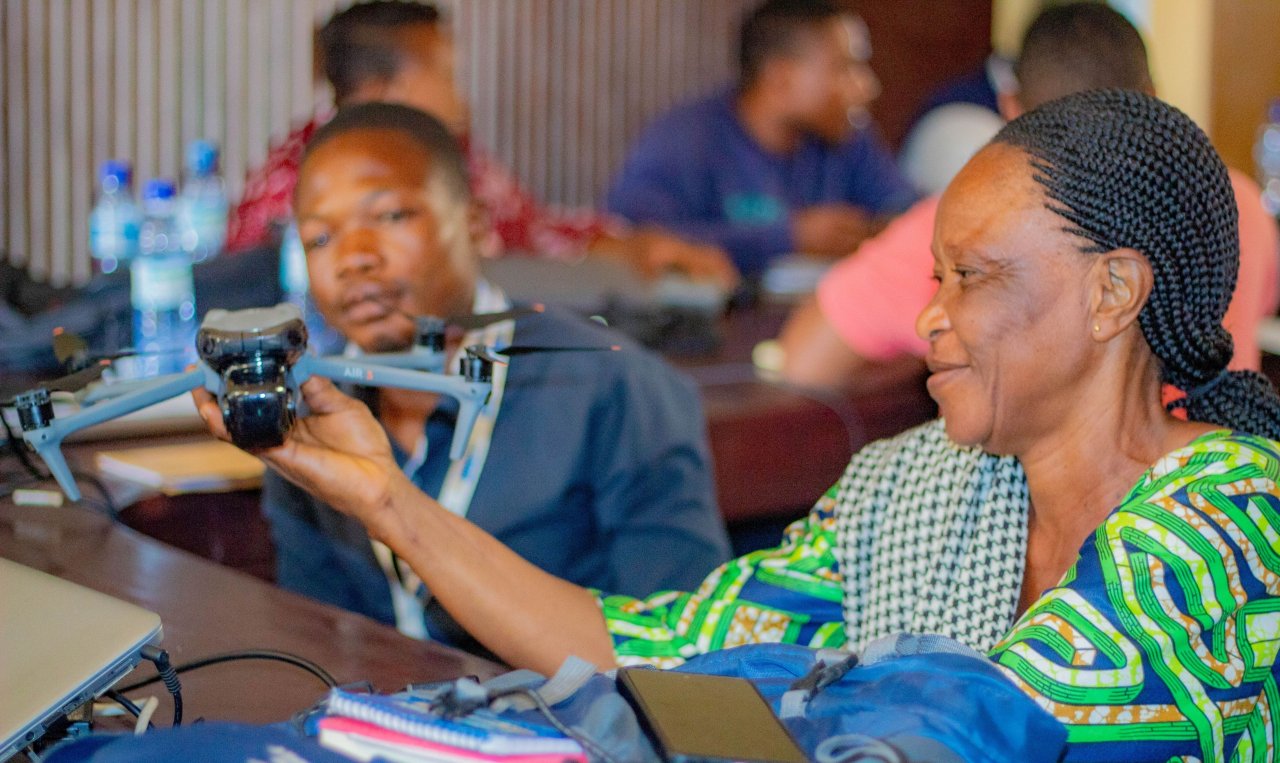
In 2025 alone, the programme engaged more than 350 companies. The Business #2030 Conference convened business, development and policy leaders to raise awareness on sustainability and the private sector. The third annual SDG Business Pioneer Award celebrated Albanian companies dedicated to sustainable development and creating positive change through their overall business practices.
By improving skills, raising awareness about the value of sustainability and opening pathways to broader markets and communities, the programme is redefining what is possible for small businesses.
Sustainability as a Routine
Today, Jolla Olive Oil produces between 60 and 150 tonnes of extra virgin olive oil annually. The factory sits on 6,000 m² of family-owned land and operates with a 55 kilowatt solar installation. Olives are processed within 24 hours using cold extraction methods to preserve quality.
In 2024, the company collaborated with over 500 local farmers.
Aldo sees growth as a collaborative effort: “If demand grows beyond our capacity, we’ll work with other factories. Partnership is the way forward.”
Environmental responsibility underpins every decision. By-products are reused for soil enrichment or biofuel. Solar energy powers operations. Synthetic inputs are avoided as the company works toward organic certification.
For the Jolla family, sustainability is not a slogan. It is routine.
Looking back, in just five years, what began as a modest family-run processing facility has transformed into an emerging exporter, placing Belsh olive oil on international shelves and showing that, with structured business support, Albanian entrepreneurs can confidently compete beyond borders.
This is the tangible difference the Growing with Your Business methodology has made — and continues to make — by turning local potential into global opportunity.
Rooted in Belsh, Reaching the World
Jolla Olive Oil is preparing to expand into the EU, UK and US markets. Its trademark is already registered in the UK, and discussions with Tesco are underway.
For Aldo, international expansion is not about selling more. It is about meeting higher standards, ensuring consistency, premium quality and helping position Belsh as a Mediterranean hub for premium olive oil.
Aldo’s story shows how migration can build expertise, setbacks can improve direction and how a single discouraging sentence can fuel ambition. It also highlights the value of partnership between families, businesses, local entrepreneurs and the UN.
Belsh may have 85 lakes.
But its future is being shaped in the olive groves.
This story was adapted from an article originally published by the UN team in Albania. Please visit the UN team's website for more information about the UN's work in Albania.