From Barriers to Breakthroughs: Unlocking Women’s Employment in Moldova
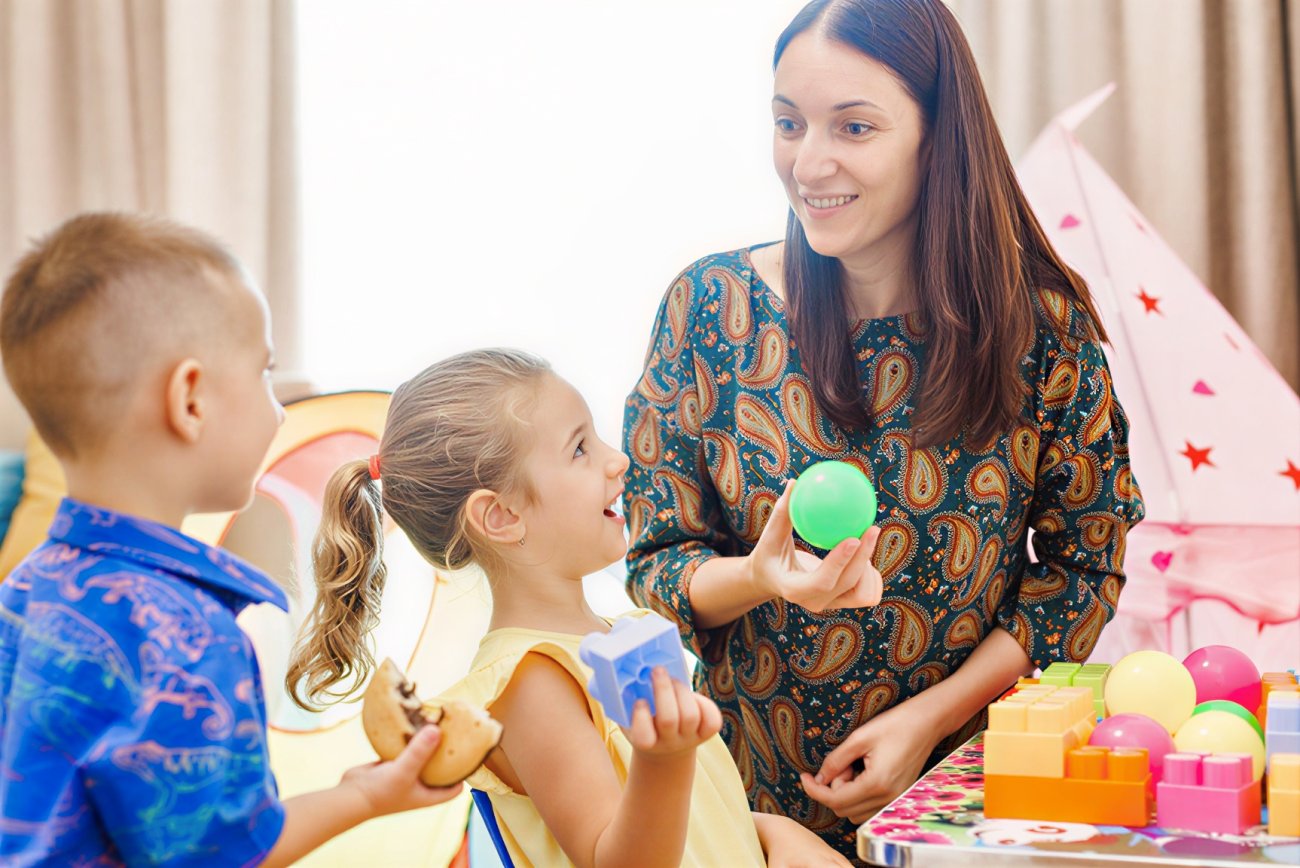
On a quiet street in Chișinău, behind a modest gate, children’s laughter fills a small home where five toddlers gather every morning.
They play, listen to stories and take their first steps into the world together. For their parents, this small space means something even bigger: the chance to return to work.
For Anastasia, this crèche is more than a business. It is a turning point.
An economist by profession and a mother of two, Anastasia once found herself among the nearly 160,000 women in Moldova who are inactive despite being qualified and willing to work. Like many women, her days were shaped by unpaid care. In Moldova, women spend nearly five hours a day on unpaid work—twice as much as men. With limited childcare options, especially for children under three, returning to work often feels impossible.
“I didn’t stop being an economist,” she says. “I just didn’t have the conditions to work.”
Her story is not unique. In 2024, only 40 per cent of women in Moldova were employed, compared to nearly 46 per cent of men. Across the country, especially in rural areas, women face a difficult choice between caring for their families and earning an income. At the same time, businesses struggle with labour shortages—a paradox that slows economic growth.
A Crèche, a Business, a New Beginning
With support from the International Labour Organization (ILO), Anastasia became one of 25 women to receive a small grant and mentoring support to turn her idea into reality. Six months later, she opened her own home-based crèche, creating not only a livelihood for herself but also opportunities for other parents to return to work.
Her story is part of a broader transformation.
Across Moldova, the United Nations—through agencies like UN Women, United Nations Development Programme (UNDP), United Nations Children's Fund (UNICEF), United Nations Population Fund (UNFPA) and UN Agency for Refugees (UNHCR)—is working with the Government to remove the barriers that keep women out of the labour market.
Together, they have invested in expanding childcare services, supporting family-friendly workplace policies and creating flexible solutions for parents. Through joint efforts, new crèches and child-friendly spaces have opened across the country, with four crèches, three child-friendly spaces at universities and 12 grants for family-based centres opened in 2025 alone, while 400 companies adopted family-friendly workplace policies, building community-based childcare services.
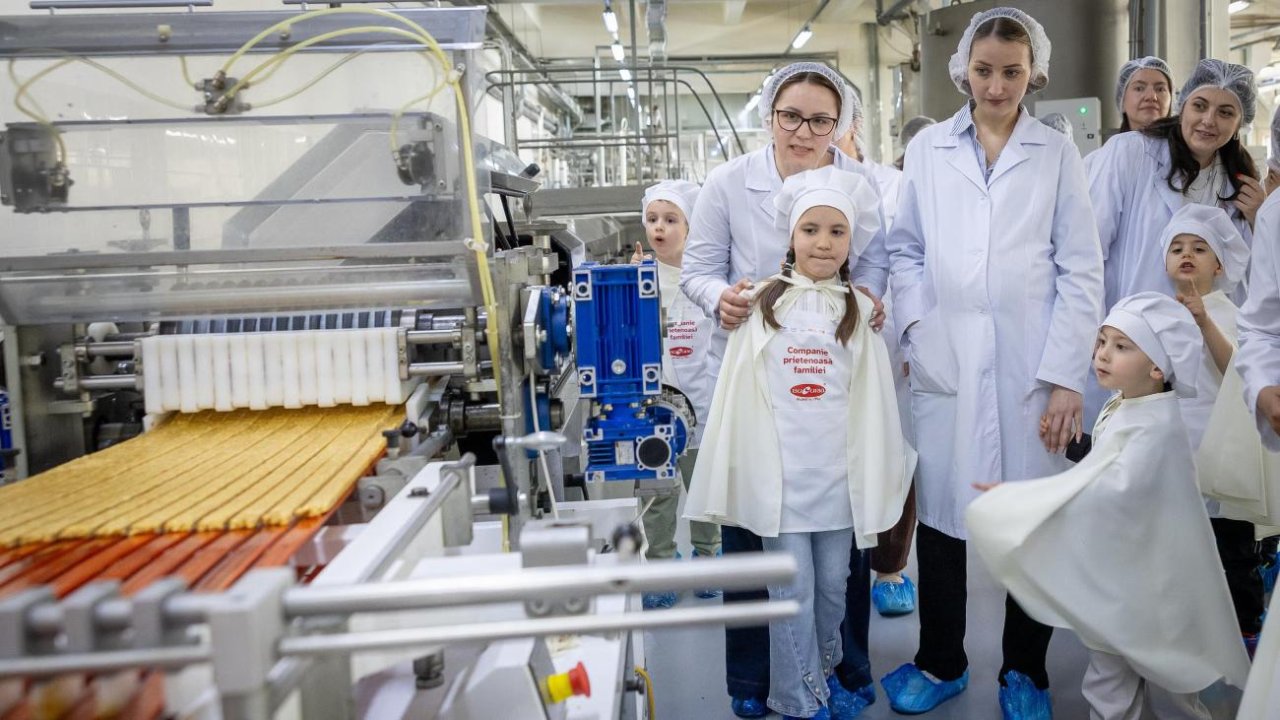
Campaigns like Together We Grow are shifting mindsets and policies, making it easier for women to return to work after maternity. In just six months, uptake of maternity benefits increased by over 50 per cent, signalling a growing confidence among women that they can balance work and family life.
And yet, the need remains urgent. Only 15 per cent of children under three in Moldova are enrolled in childcare. For many families, especially outside cities, access is still limited. That is why national efforts now aim to enroll every third child in early childcare by 2026.
But employability is not only about today. It is also about tomorrow.
Girls Shaping Moldova’s Future
In another part of the country, Nicoli, just 13 years old, is already shaping the future. As a young mentor in science and technology, she travels across Moldova inspiring other girls to explore Science, Technology, Engineering and Mathematics (STEM) fields. In a country where women make up only 31 per cent of the Information Technology workforce, and even fewer (4.6 per cent) young women choose STEM studies at university, her voice matters.
The "Boris Dînga" Theoretical High School where Nicoli studies is part of the Network of Model Schools. Along with nine other institutions, the high school is set to undergo renovation and will be equipped with modern teaching materials, which will support the integration of the STEM approach into the educational process.
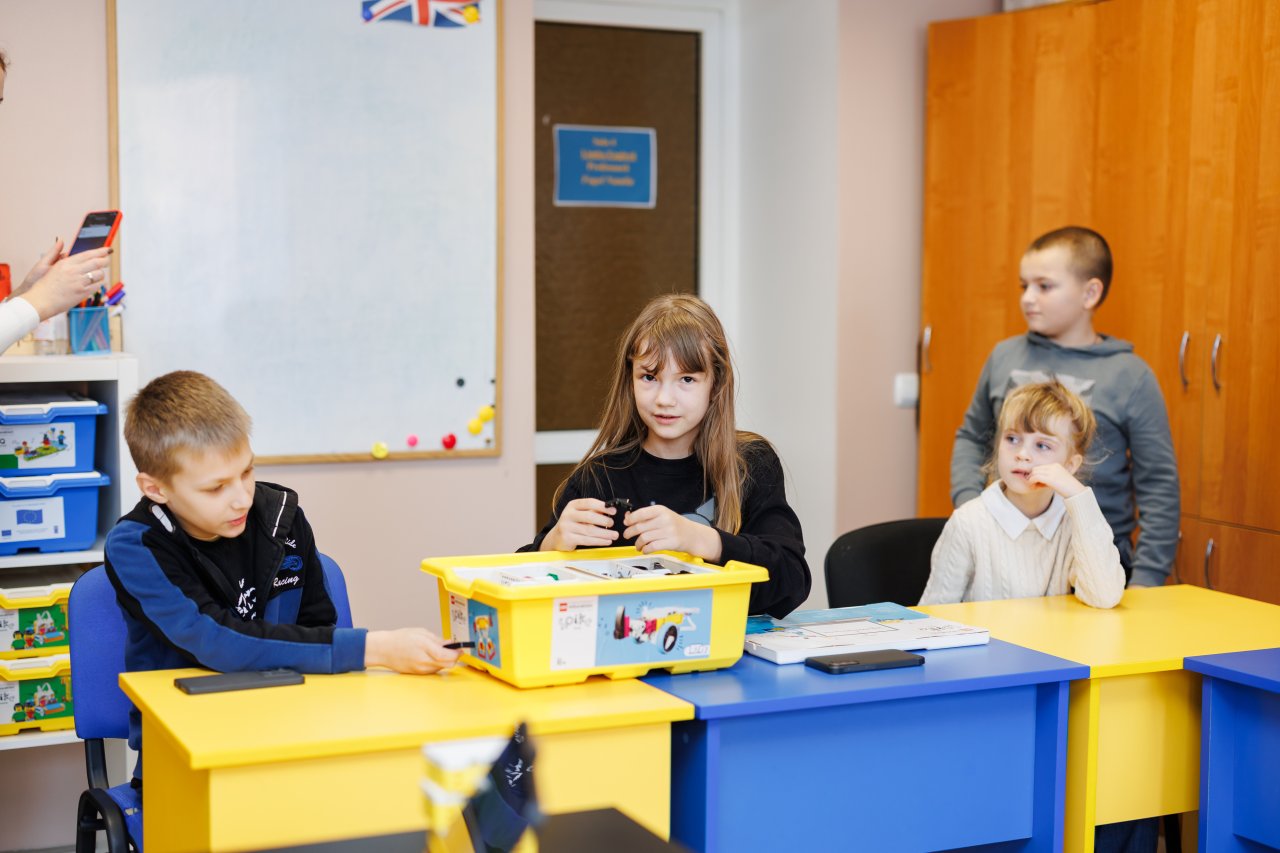
Through initiatives led by UNICEF and partners, more than 8,000 young people in 2025, many of them girls, gained skills that open doors to better-paid, future-oriented jobs.
Because the challenge is not just about access to jobs. It is about access to opportunity, confidence and choice.
From early education to employment, from policy reforms to small home-based businesses and family-friendly spaces, Moldova is slowly reshaping the conditions that define women’s lives.
This story was originally published by the UN team in Moldova. Please visit the UN team's website for more information about the UN's work in Moldova.